Amazon Alexa Tablet 12 Pro Review: A Serious iPad Alternative for Reading and Streaming
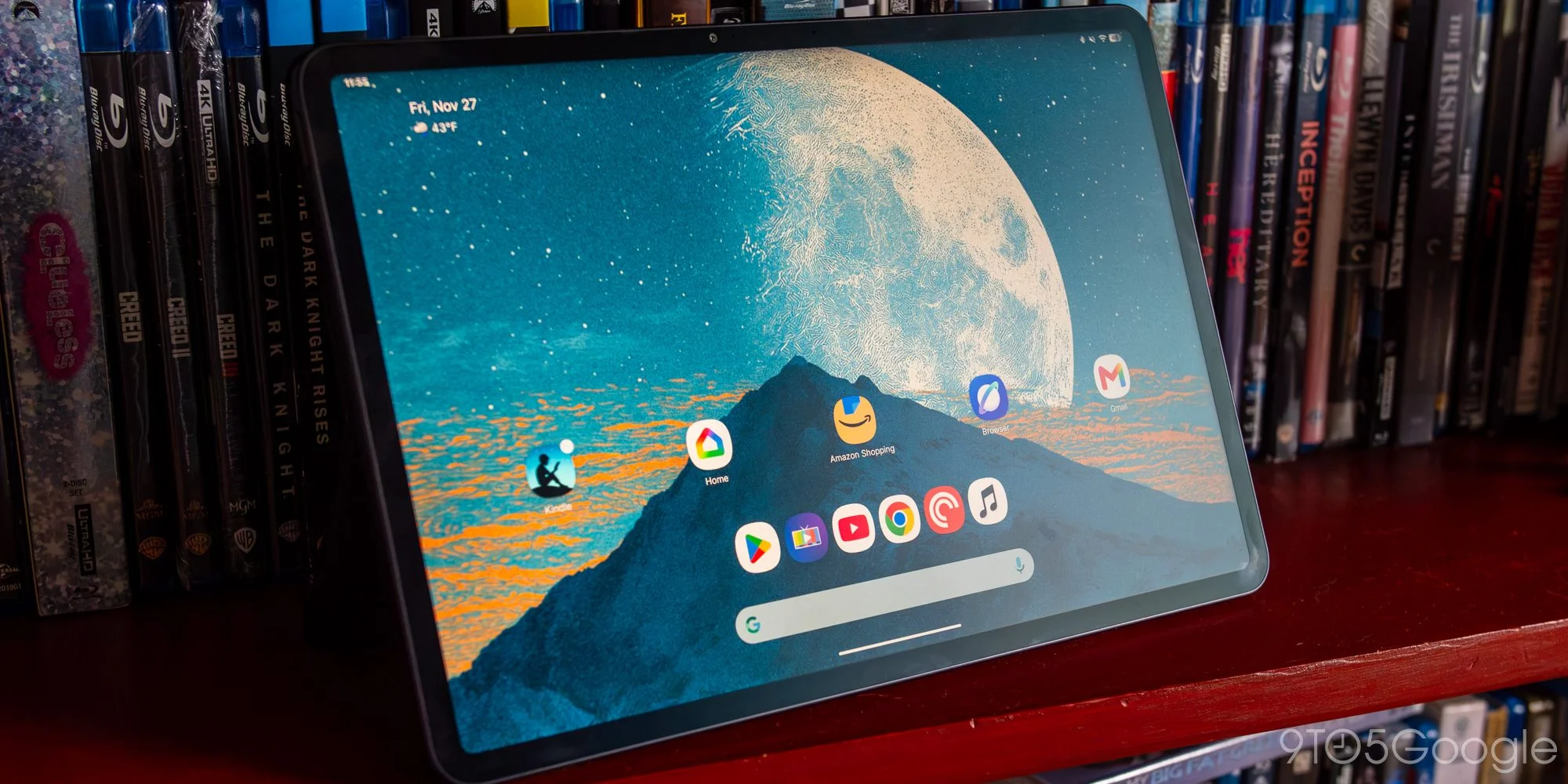
I expected Amazon’s new flagship tablet to be another attempt at making a Fire Tablet feel premium. After two weeks with the base nanomatte model, I’ve instead found myself choosing it over my Pixel 11 Pro XL, MacBook Air, and even the pocket-sized Lenovo Legion tablet I reviewed earlier this month. That’s a striking result from a company whose tablets have spent years asking users to accept weak performance and a thin app selection. The Alexa Tablet 12 Pro has changed that expectation.
Amazon’s first Kindle Fire arrived when I was in high school. Fifteen years of name changes, refreshes, and efforts to climb upmarket didn’t fix the basic problems: sluggish hardware and missing apps. The Fire line is now gone, replaced by pricier Alexa Tablets that still count as bargains by current gadget standards. The new lineup includes an 8-inch model, and the Alexa Tablet 8 remains relatively affordable. But the 12 Pro is the first one that feels like a serious iPad rival. It addresses many of Amazon’s longstanding tablet shortcomings, and sale prices can start at $350.
A familiar spec sheet, with a different history
The hardware reads as midrange: a MediaTek Dimensity 8400 processor, 8GB of RAM, and 128GB of UFS 3.1 storage in my review unit. Those numbers won’t turn heads on their own. Their meaning changes when you compare them with the old Fire Tablets, where performance was often the price of Amazon’s low-cost strategy. Buyers who need more headroom can choose a 256GB version with UFS 4.0 storage and 16GB of RAM.
There’s also no ad-removal surcharge. Every 12 Pro configuration is sold without lock-screen ads, unlike the cheaper Alexa Tablet 8 and 11, where removing them still costs $20. That’s a small detail with a real effect on the day-to-day experience.
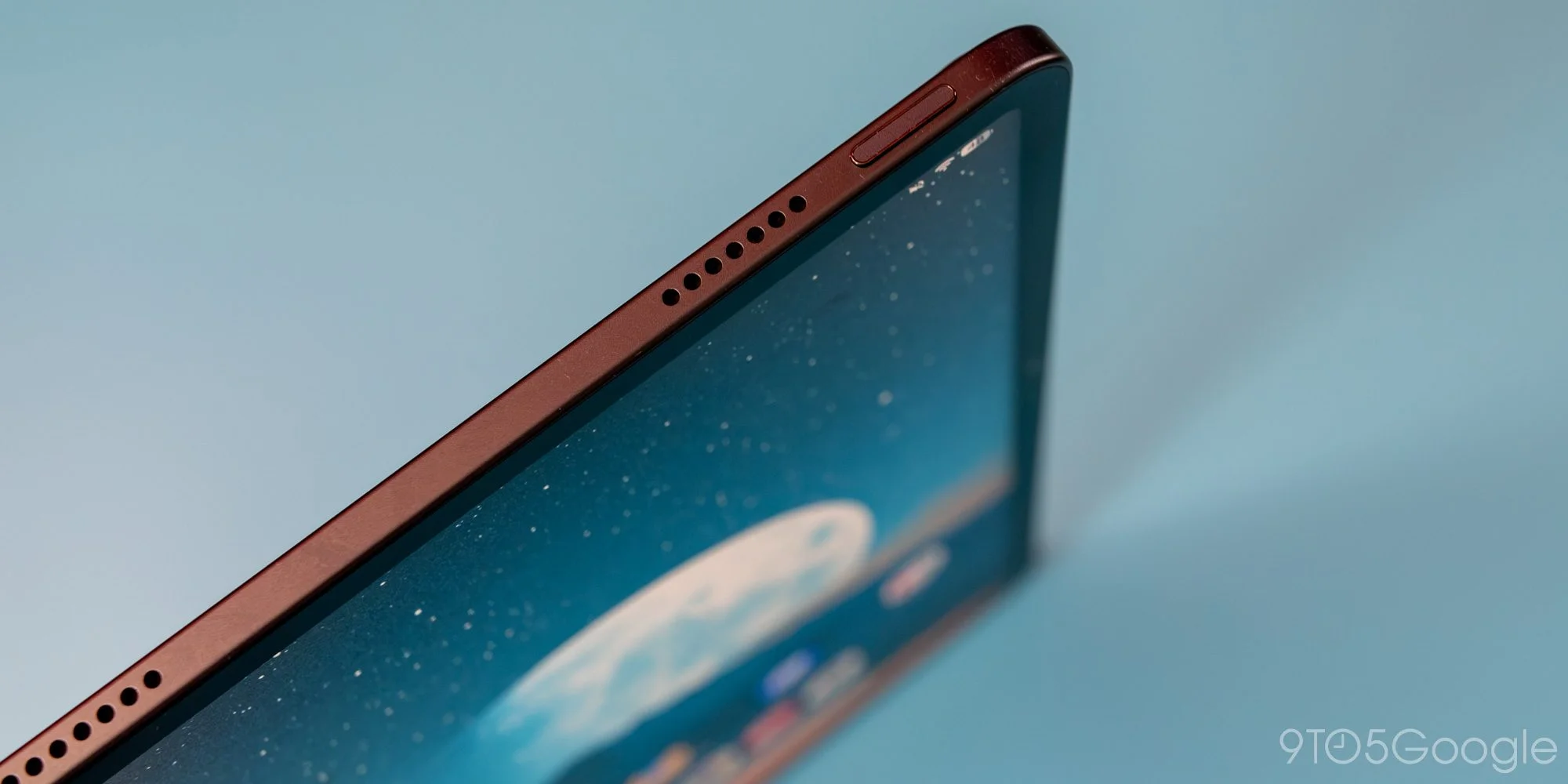
The build is another surprise. An aluminum body, slim flat sides, and rounded corners put the tablet closer to Apple and Samsung’s premium designs than to Amazon’s old plastic slates. The power button includes a fingerprint reader. A channel beneath the volume buttons stores an optional stylus, though I’m not convinced a device I mainly want for reading and video needs that feature. It’s unobtrusive, at least.
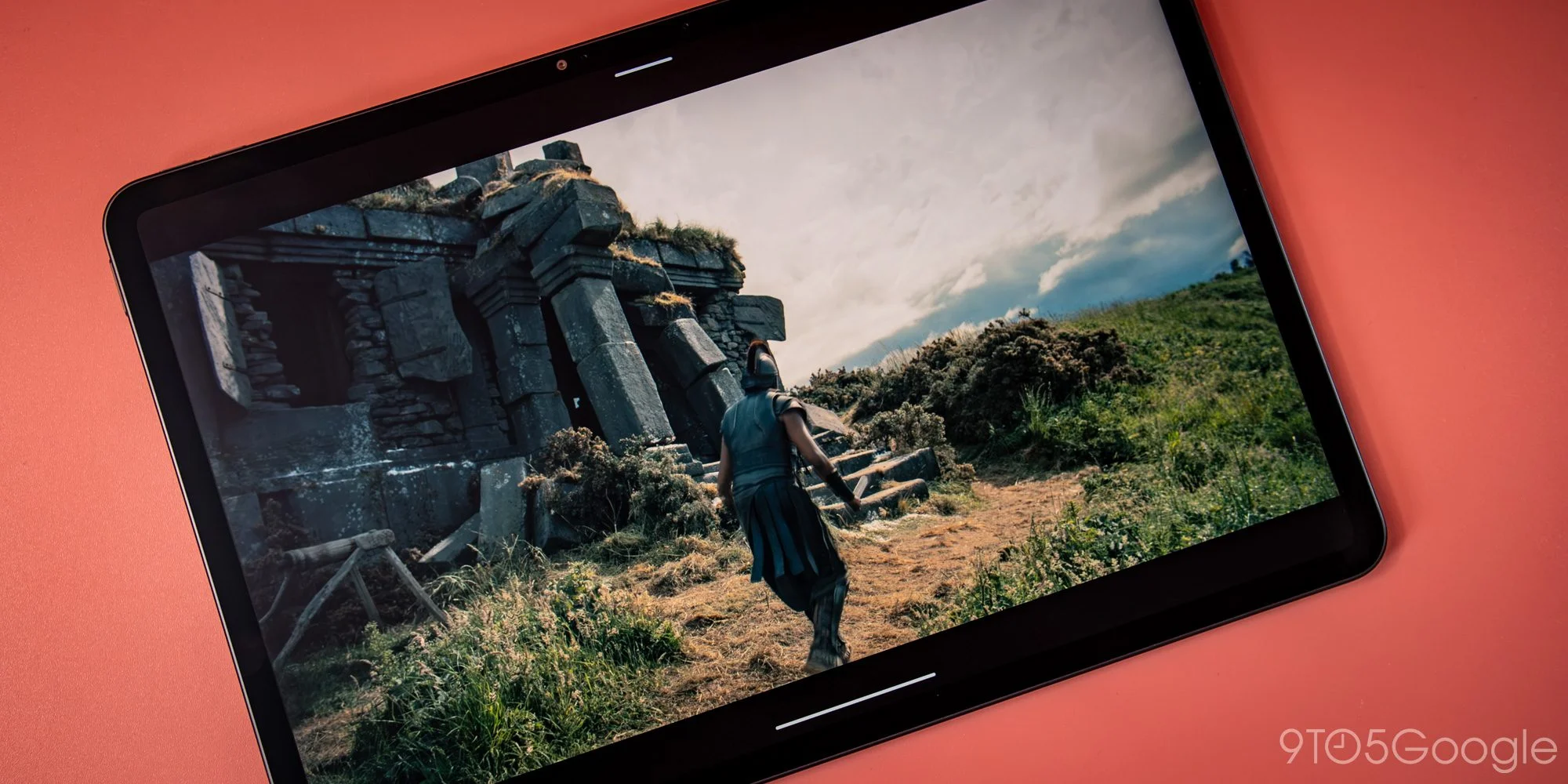
The screen makes the case
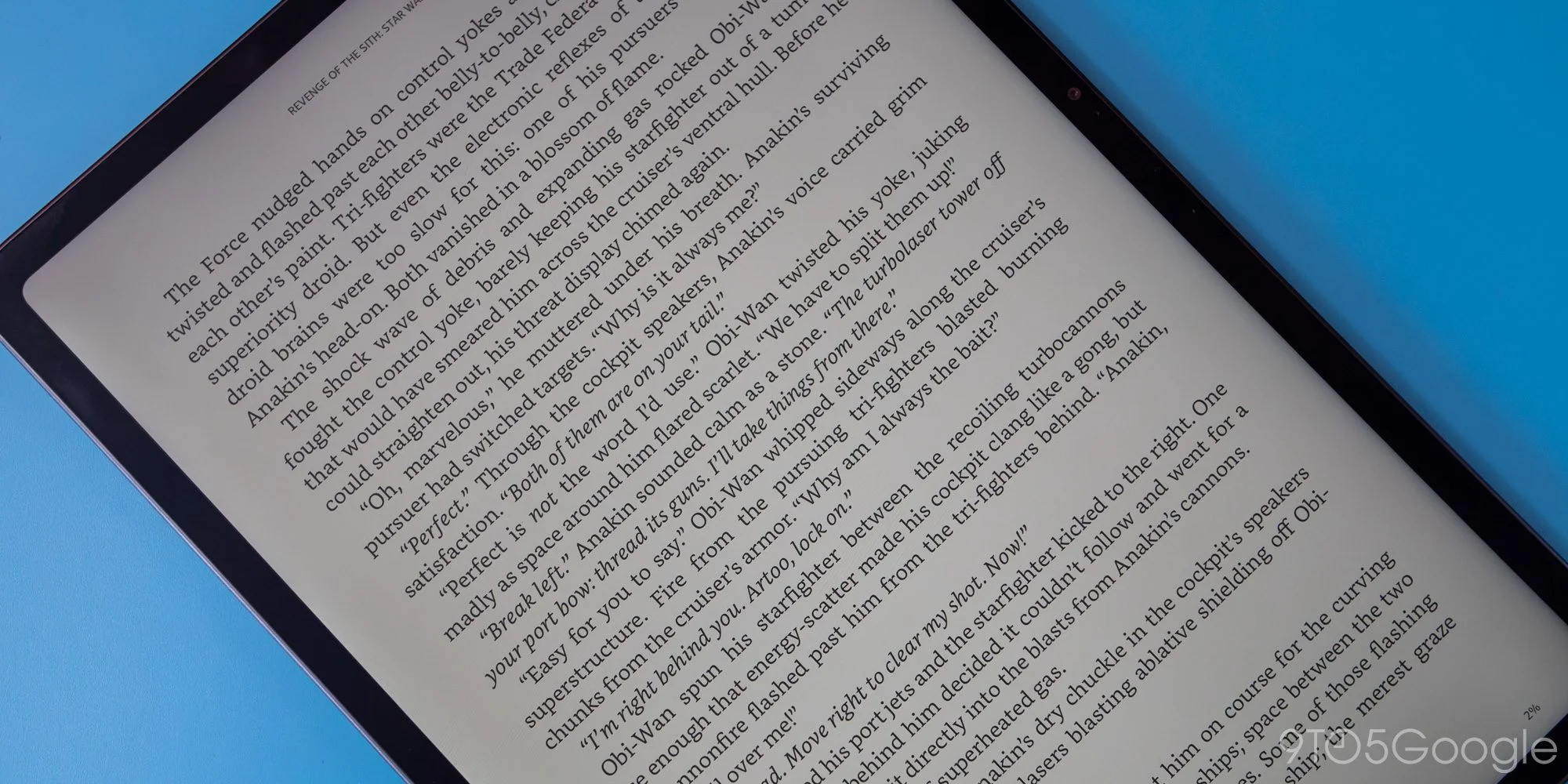
The display is what keeps drawing me back. My review unit has Amazon’s nanomatte finish, a $50 upgrade over the $500 base model. The 256GB model costs $650 and only comes with nanomatte. If you’re considering the tablet, I’d spend the extra for that finish: reflections stay subdued, and the screen has a quality that makes long stretches of reading or video more inviting.
Colors look a little too saturated out of the box, but Amazon’s Natural profile fixes that in two taps. After the adjustment, this is one of the best LCD tablet screens I’ve used recently. I didn’t find myself wishing Amazon had chosen OLED, though that’s not a claim that this panel can match a top-tier OLED.
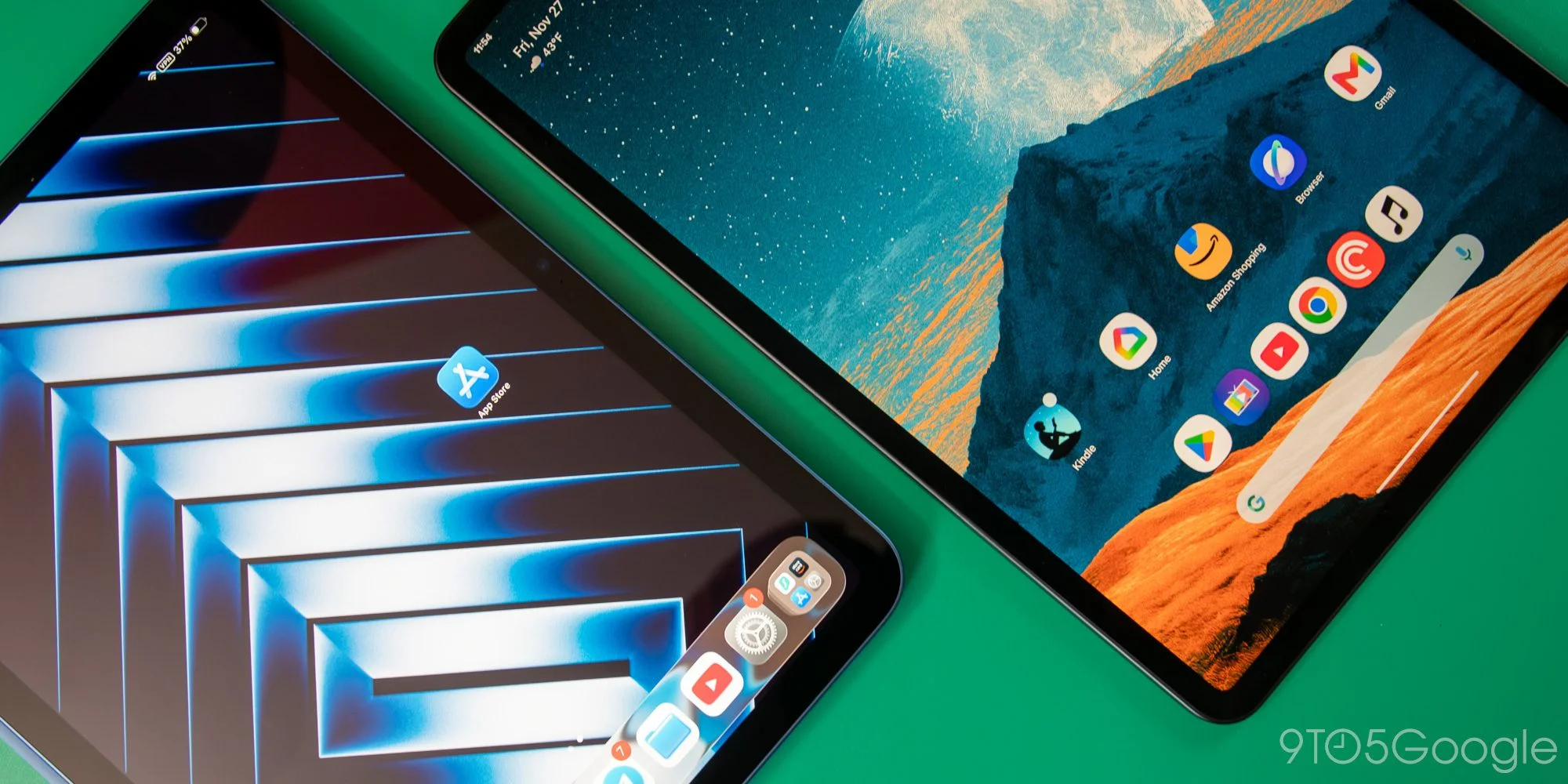
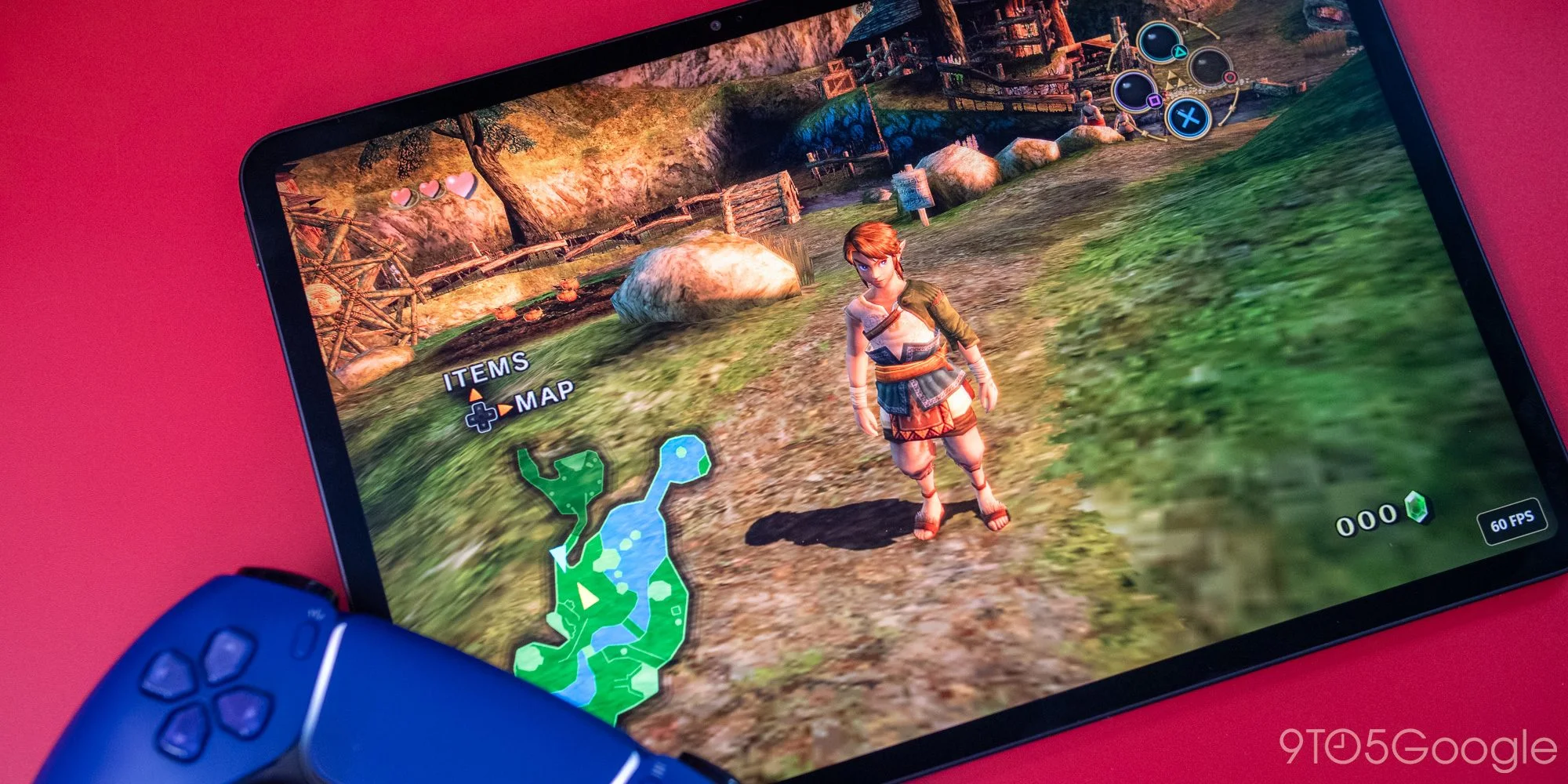
I watched shows and YouTube, read The Odyssey, and even tried the unofficial Android port of Twilight Princess. The tablet made all of it look good enough that I understood the appeal of matte-screen iPad Pros. Apple’s version carries a far steeper entry price: the iPad Pro starts at $1,200, and its nanomatte option is limited to 1TB and 2TB configurations, which start at $1,800. Amazon’s screen finish brings some of that appeal to a much less expensive device.
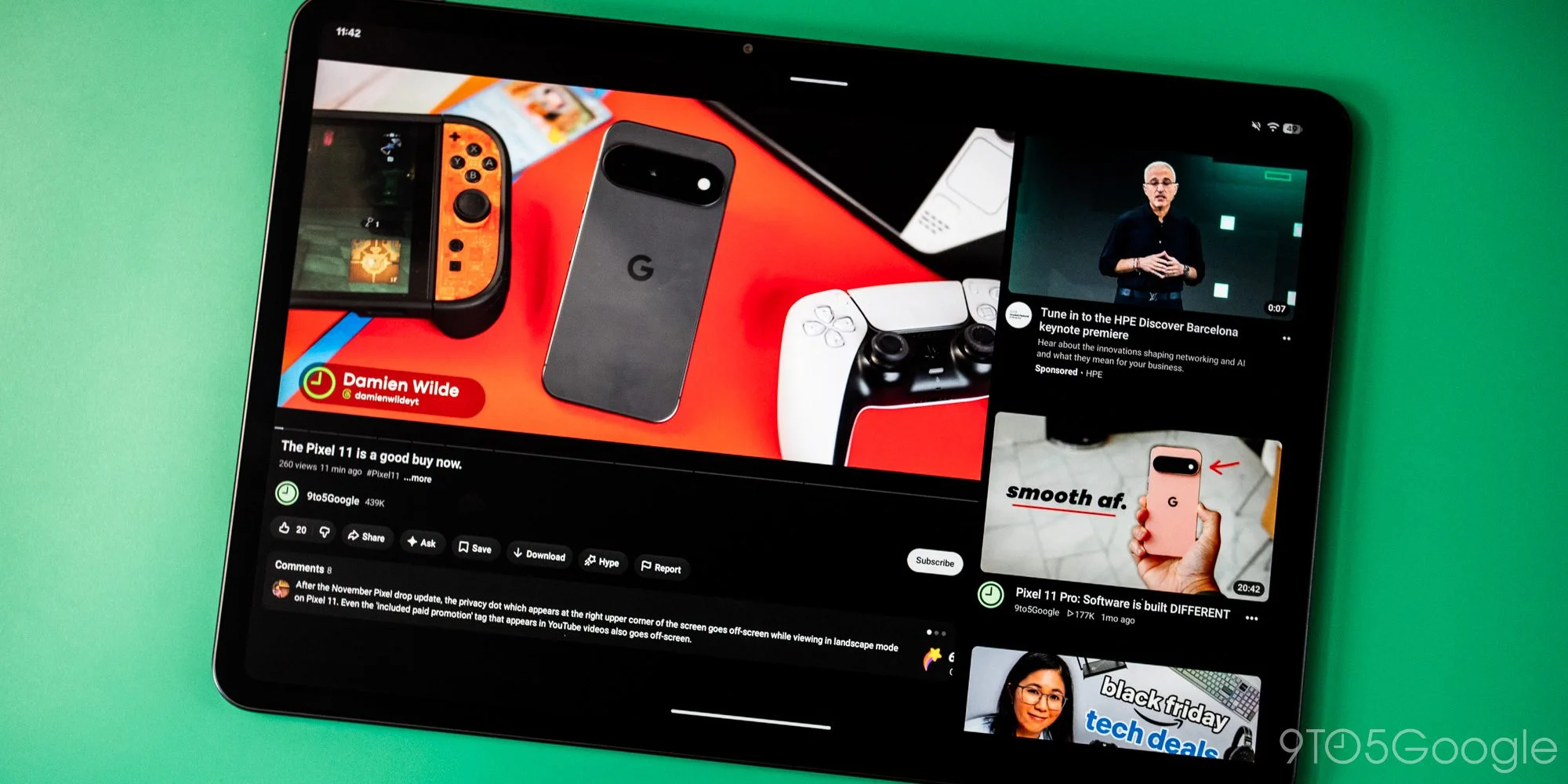
Four stereo speakers get loud without much distortion, making them well suited to streaming and casual music. I’d still use headphones or external speakers for something I wanted to hear in detail. The fingerprint reader is quick and usually accurate. The rear camera is a flashless 13MP unit; the more practical 8MP front camera sits along the right edge. There’s one USB-C port on the bottom and, disappointingly, no microSD slot despite the 256GB storage ceiling.
Android changes the equation
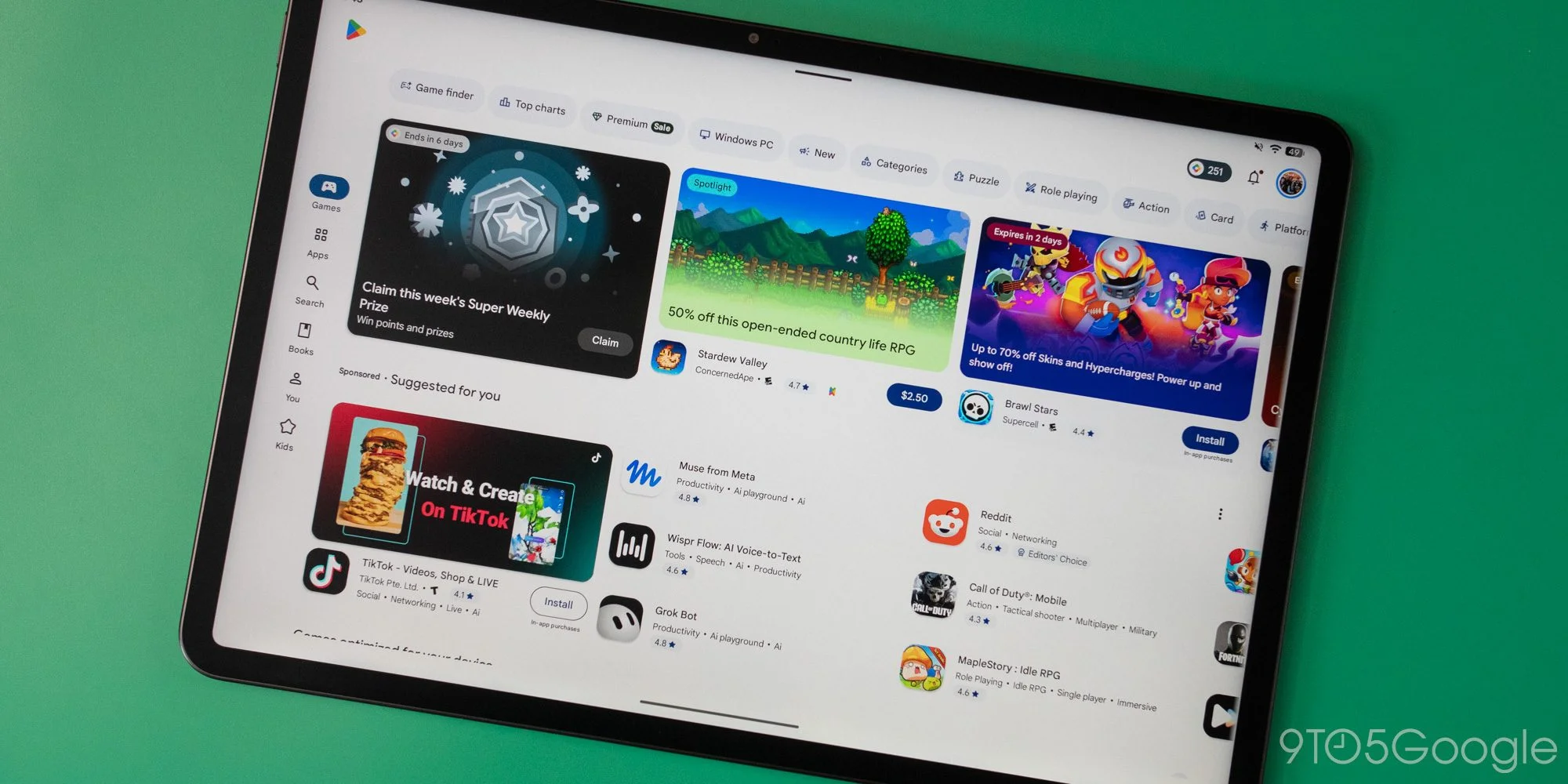
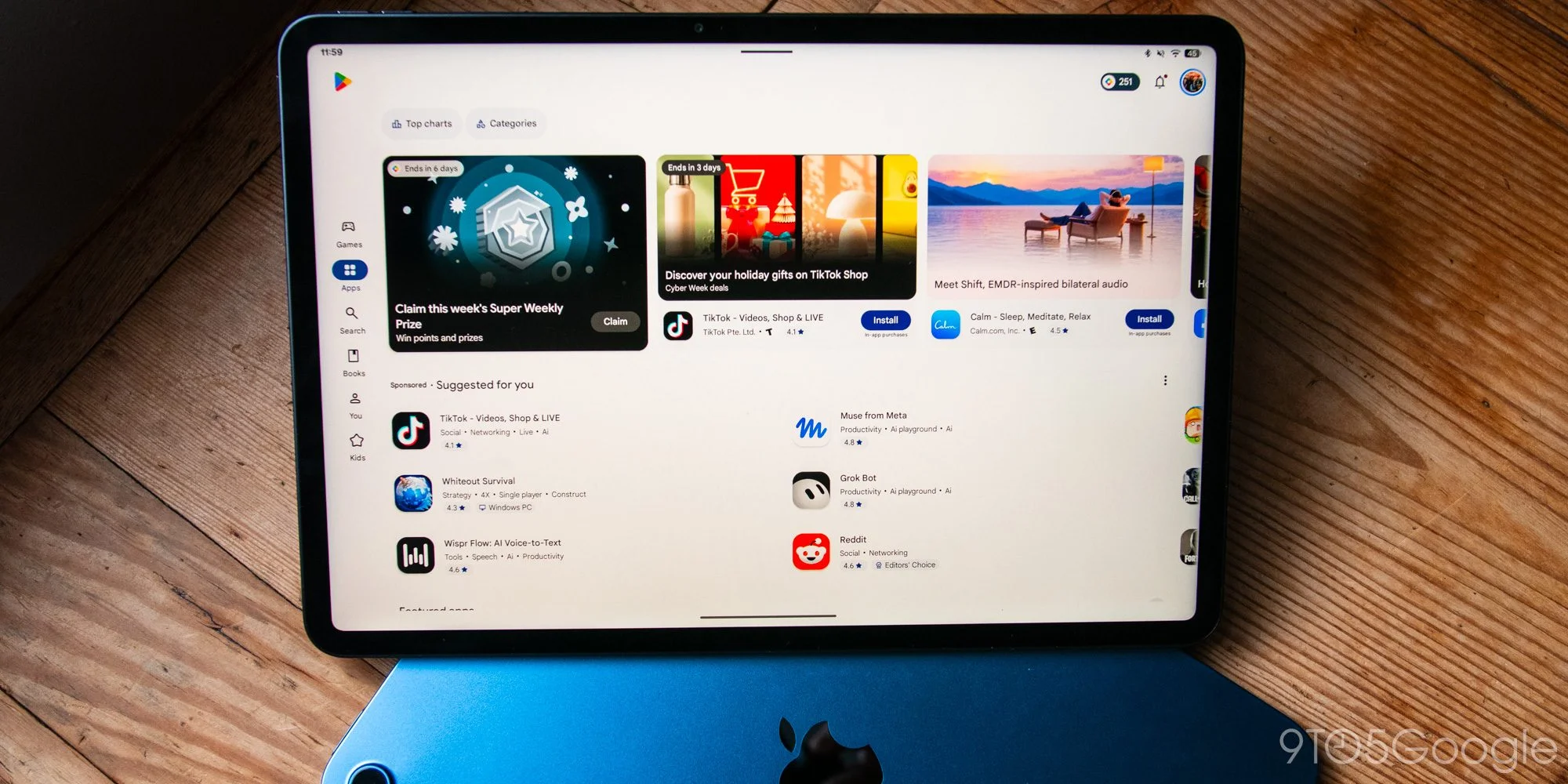
Here’s the thing: Amazon’s biggest improvement may be what it stopped doing. The Alexa Tablet runs Android instead of the Fire OS fork, so the Google Play Store and familiar apps such as Gmail, Chrome, Docs, and Photos are available. You can also move apps and other data over from a phone or older tablet. Amazon’s own Appstore isn’t even preinstalled. After years of workarounds to get basic apps like YouTube onto a Fire Tablet, that’s a meaningful change.
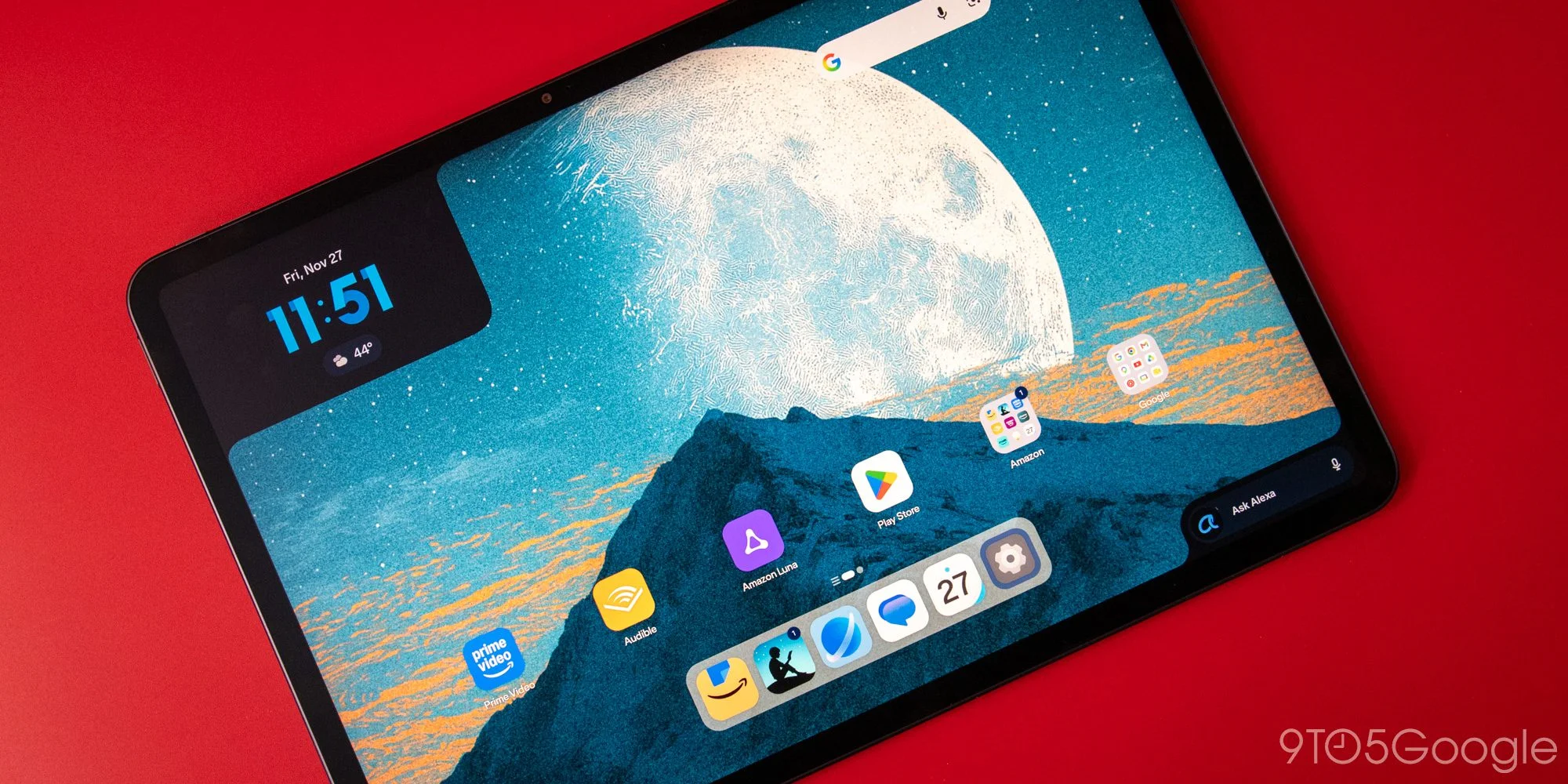
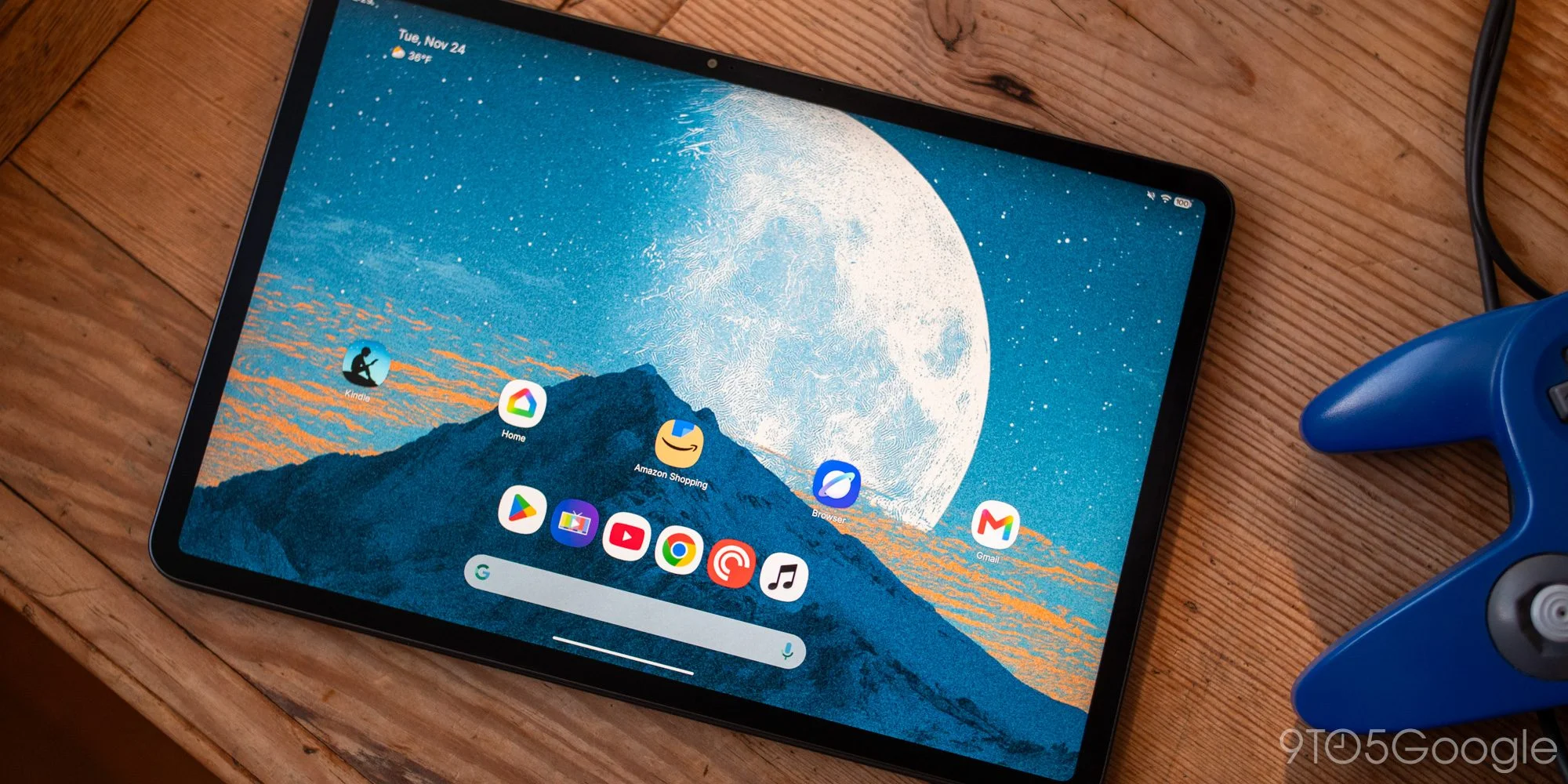
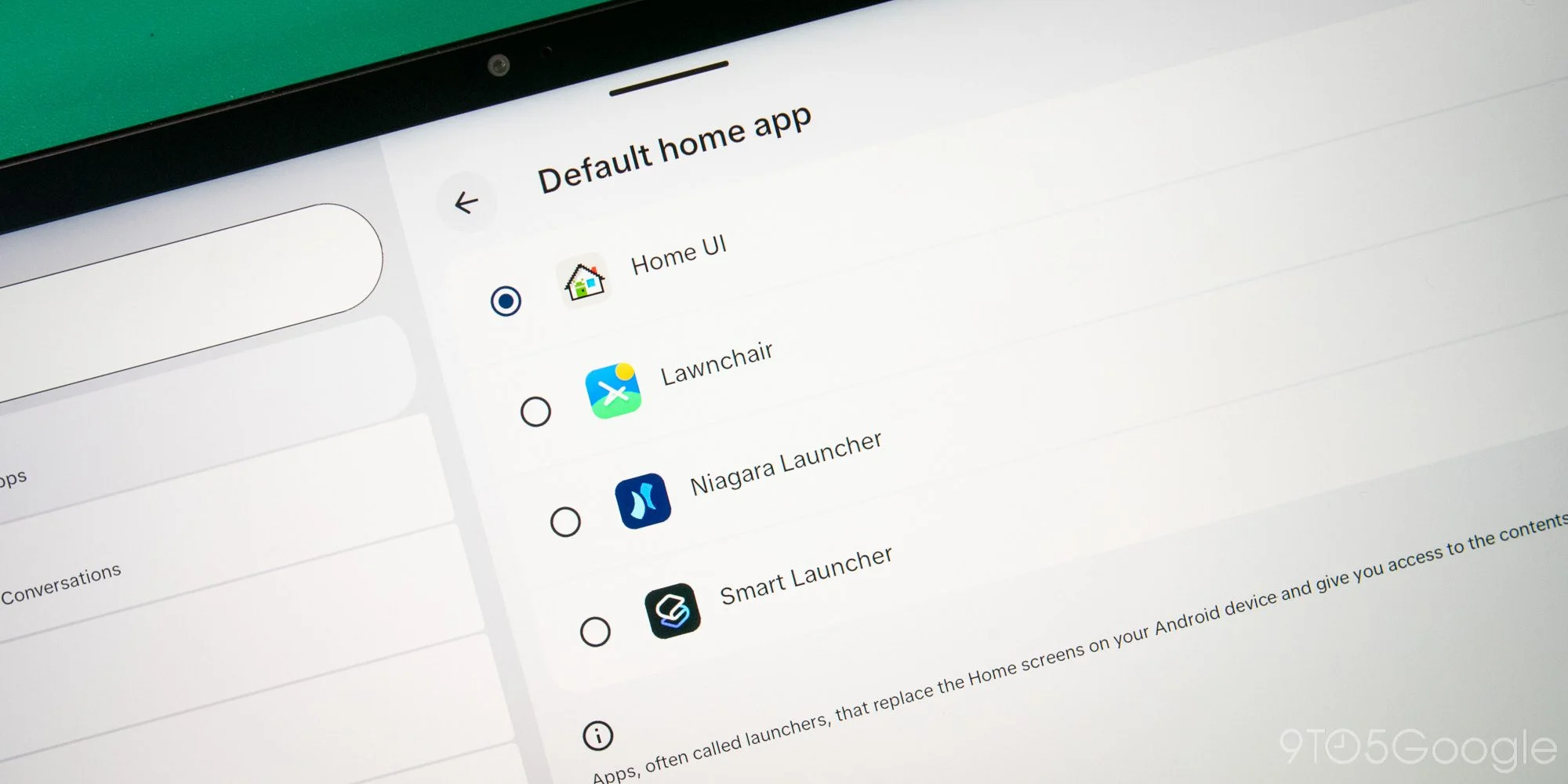
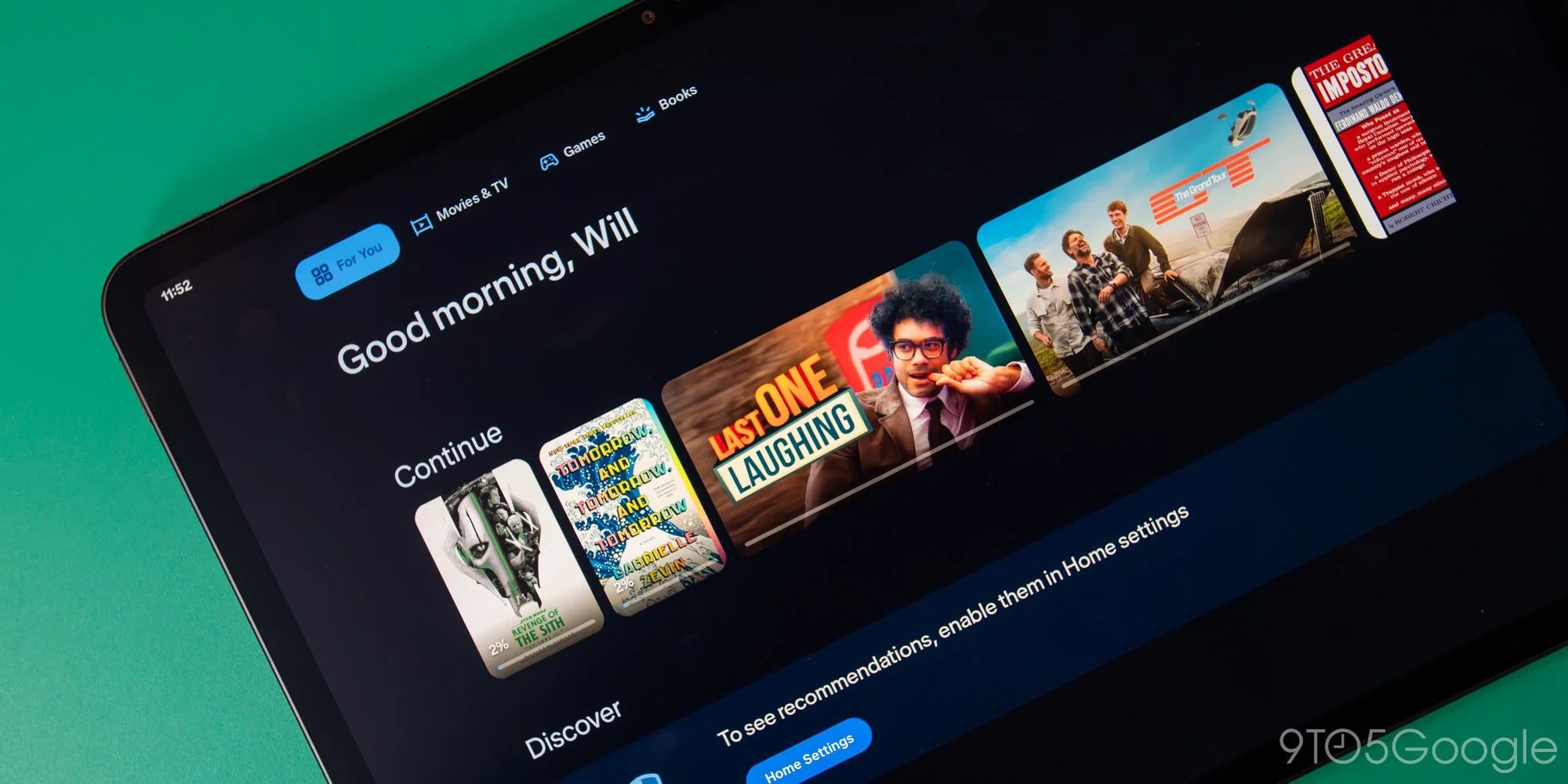
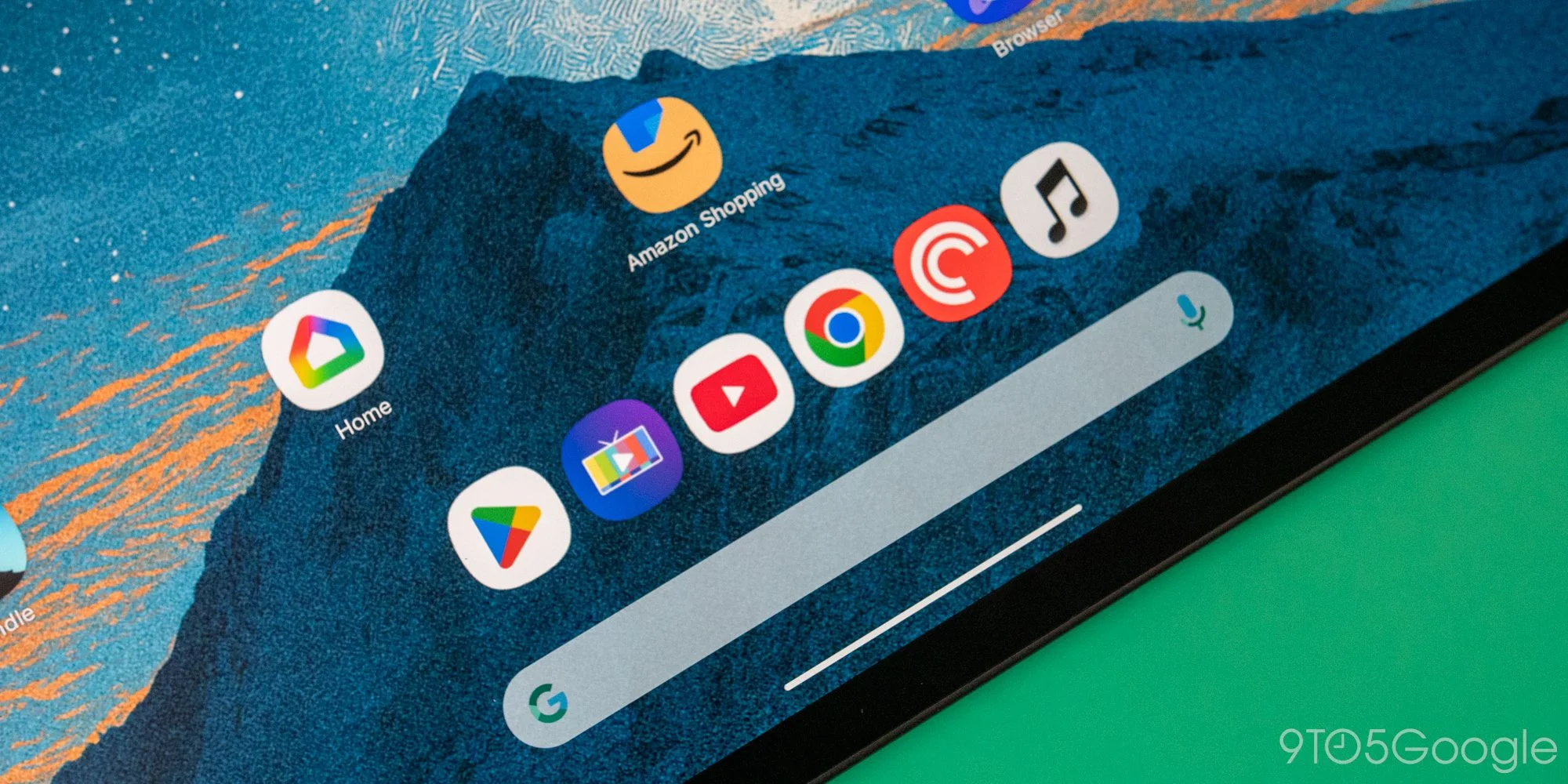
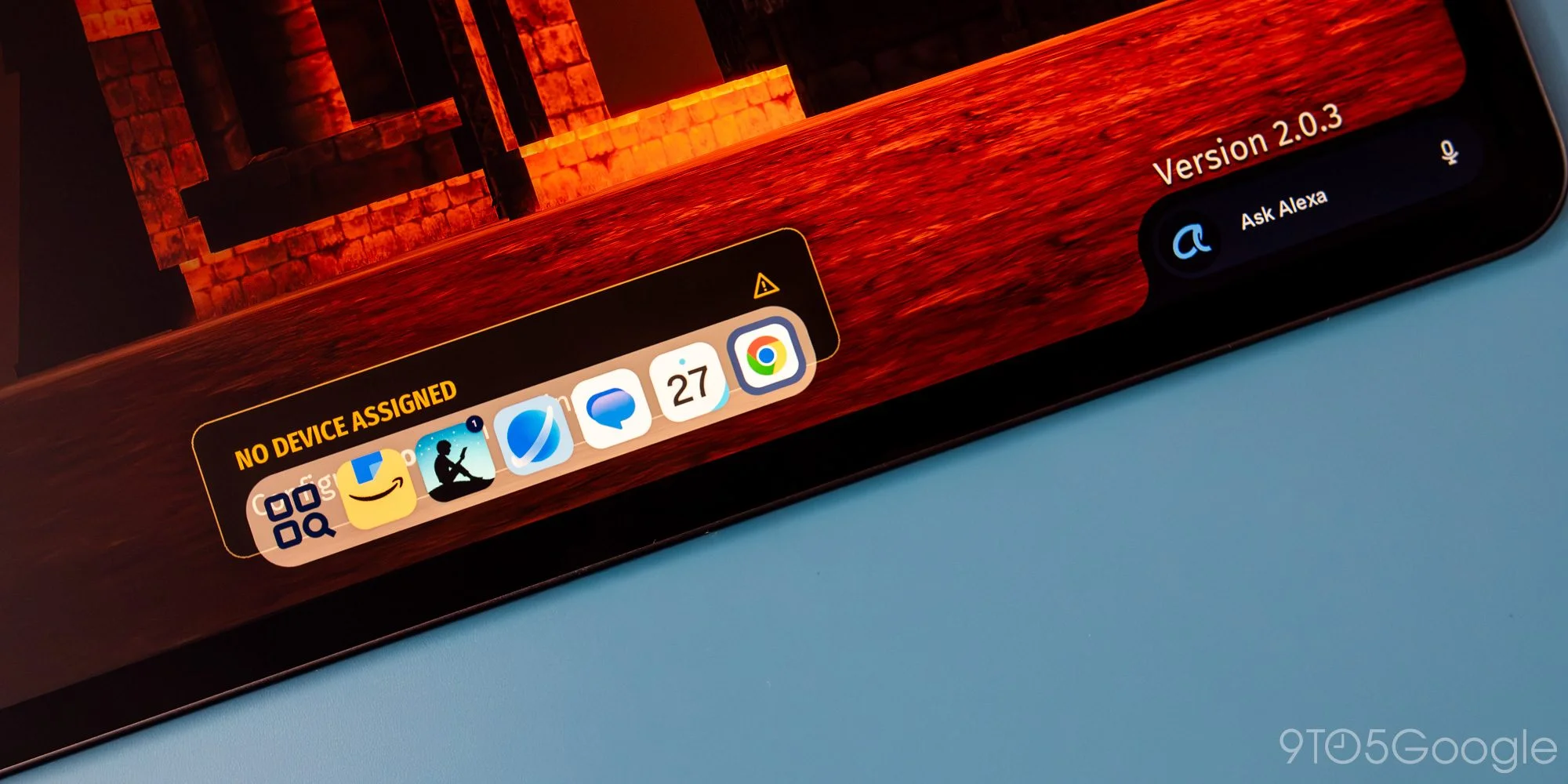
There are rough edges. Some apps appear in the Play Store as unsupported, including Amazon’s own software. The preloaded Amazon app is oddly just a browser wrapper. Lawnchair, a third-party launcher, is another app you may not find listed as supported; I installed it from the APK on its website. The stock home screen has Amazon and Alexa branding plus two widgets you can’t remove. A different launcher works well, though swiping home can occasionally bring back Amazon’s dock and Alexa search bar.
Amazon promises seven years of operating-system upgrades and security updates for the 12 Pro and the cheaper Alexa Tablet 11. How regularly those updates will arrive is still an open question. Even so, that support commitment makes this tablet feel like a device Amazon expects people to keep using, a notable break from the disposable reputation of its Fire line.
Good everyday speed, with a familiar caveat
I haven’t run into performance trouble in ordinary use. Pages load quickly, apps stay open in the background, and the interface feels responsive. My testing hasn’t pushed the tablet hard—the most demanding game I tried was the unofficial Twilight Princess port—so that’s not a verdict on every workload. Battery life has been strong: a charge usually lasts several days of mixed use. Recharging is slower, taking nearly two hours from empty, an area where Samsung’s pricier Galaxy Tab S models have the edge.
The obvious read is that I’m impressed because Amazon set the bar low. That history does shape my reaction, including the company’s previous attempt at a more premium tablet, the Fire Max 11. But the 12 Pro’s strengths stand on their own. Google has shown little interest in making its own tablets, and Samsung’s higher-end models have grown increasingly expensive. For most Android users, this tablet’s performance should be enough, while its matte display and speakers deliver the parts of the experience people notice every day.
If you’re willing to pay four figures, an OLED iPad or Galaxy Tab remains an option. For everyone else, the 12 Pro makes a persuasive case—especially during Black Friday, when the recently launched base model drops to $350 and the nanomatte version to $400. That’s $150 off the $550 nanomatte price, and at that level I’d choose it over the glossy base configuration.
Verdict: a strong tablet, with one tempting upgrade
Amazon’s Alexa Tablet 12 Pro looks like a serious reset for the company’s tablet line. It pairs quick performance and a standout display and speakers with Android’s full Play Store support, making it a compelling midrange option. The catch is the configuration: the $400 model includes nanomatte, while the base model doesn’t, even though that finish is a big part of the appeal. There’s no expandable storage, either, and some buyers may not take to Amazon’s default launcher. At $400, down from $550—a 27% discount—the nanomatte model is easier to recommend. If you’re weighing it against other midrange tablets, that combination of display quality, sound, and performance carries more weight than the Amazon name might suggest. Buy Amazon’s Alexa Tablet 12 Pro with nanomatte for $400