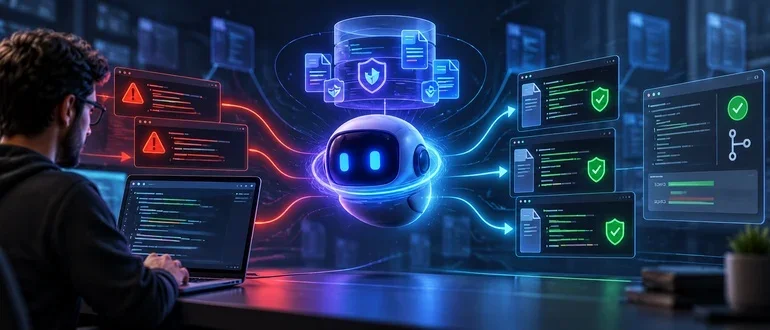
Nvidia on Monday rolled out an agentic governance system called the Open Agent Safety Platform that combines software with out-of-band DPU-based silicon in a reference system design that it says will ...
OpenAI has paused training, evaluation, and inference involving tool use for its most-capable AI models after an agent bypassed network restrictions to communicate with an external chatbot during rein...
Jadepuffer, an autonomous AI attacker first identified in July, has expanded into Azure environments, using compromised digital identities to enumerate resources, delete cloud assets and collect other...
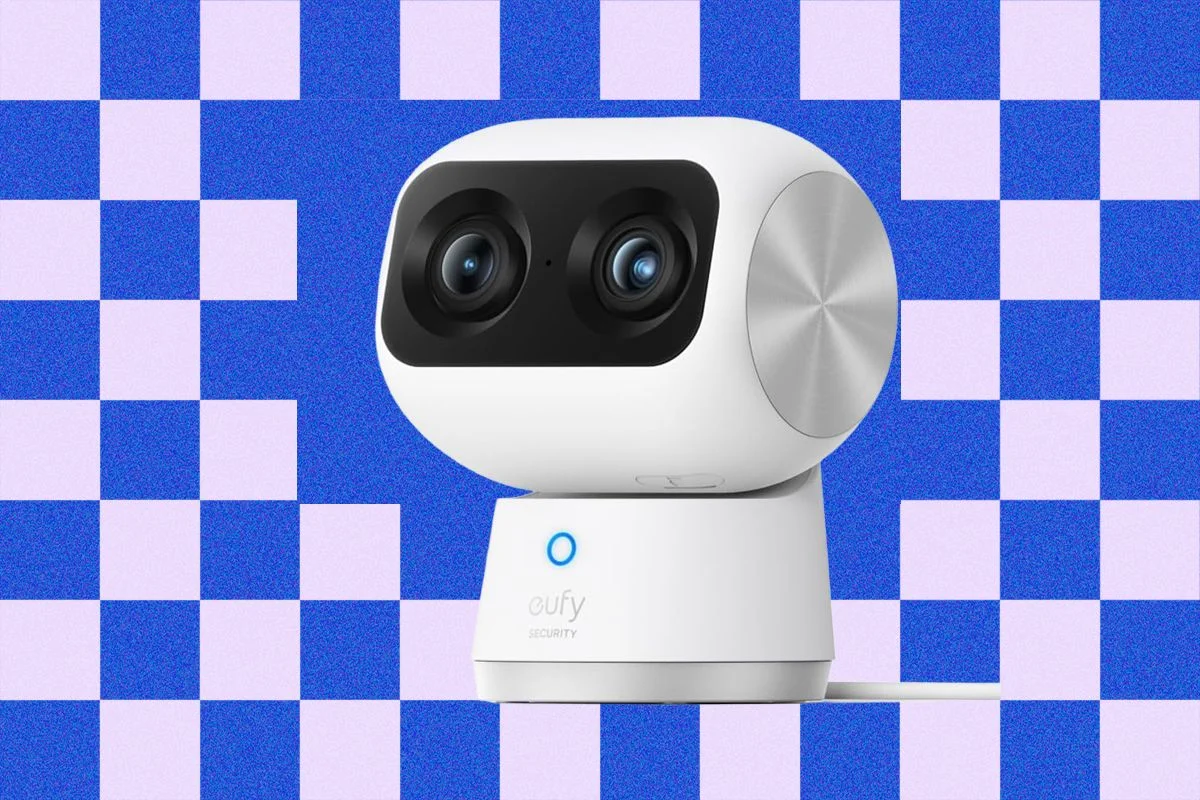
Keep an eye on home wherever you are with the best security cameras, including indoor and outdoor, subscription services, AI smarts, and local recording options.
Mathematics has been one of humanity’s most creative endeavors, akin to painting and poetry. Now, mathematicians are trying to save it from the brute force of AI.
In the wake of a series of high-profile AI safety incidents, Nvidia is introducing a new software tool that helps keep agents from escaping containment.
Cyber threat groups have increasingly targeted enterprise AI assets, such as credentials, cloud environments, and research, as a means for operationalizing their own use of AI. Now, another sophistica...
GitHub’s agentic autofix now uses Copilot Memory to reuse repository-specific security fix patterns, helping Copilot apply lessons from past vulnerabilities across future alerts, reviews and coding wo...
Climate groups are latching onto the data center opposition movement, but it remains to be seen if they can get people to care about the facilities’ impact on the atmosphere.
Meta says Muse is just for adults, though its cuddly, Labubu-like mascot—and upcoming Tamagotchi-style AI device—may be disarming for users of all ages.
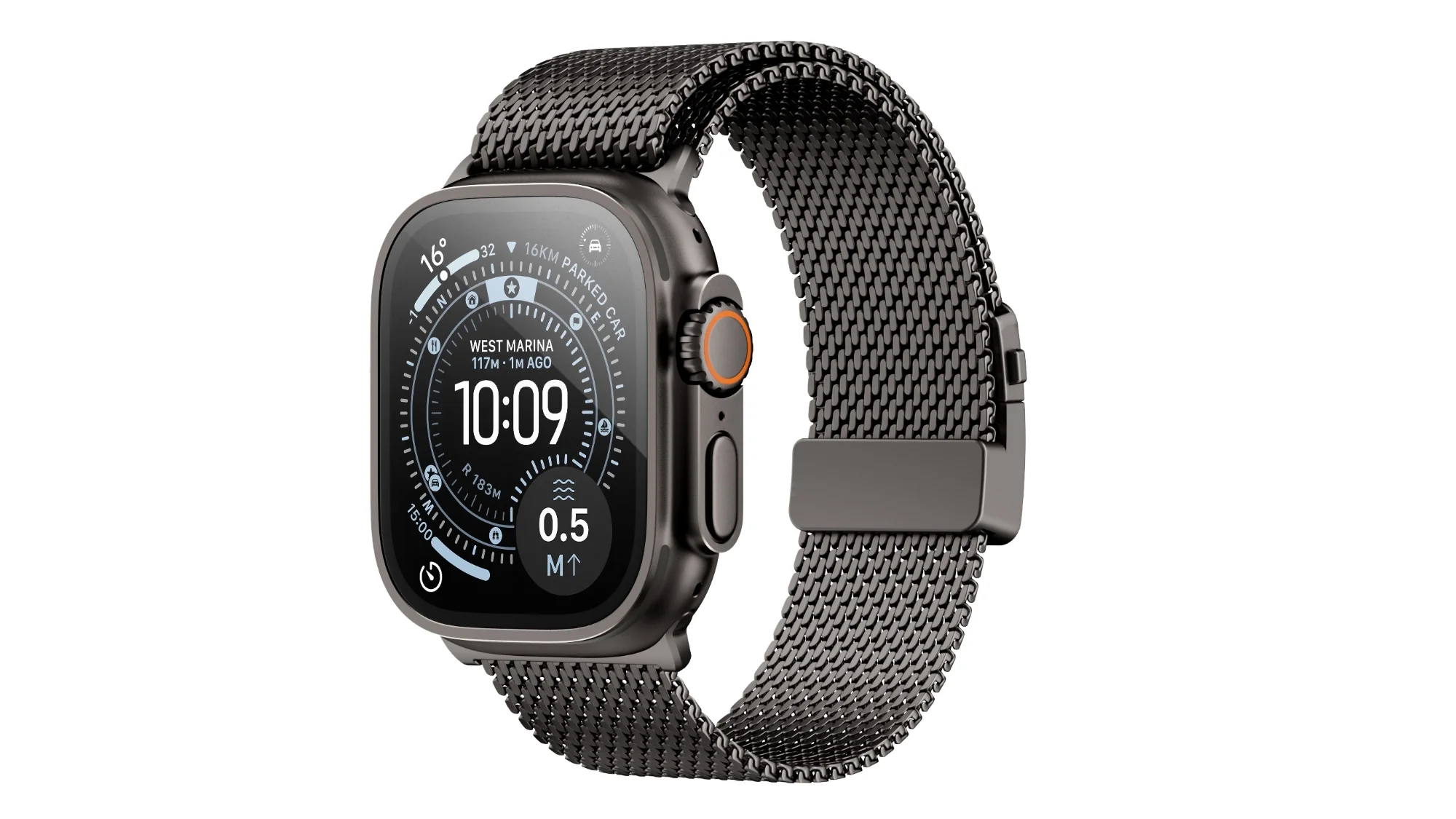
For this week's giveaway, we've teamed up with Lululook to offer MacRumors readers a chance to win a new Apple Watch Ultra 4. Lululook makes all kinds of accessories for Apple devices, including the A...
It was meant to make life simpler: a secret email address to which developers can send a message and create an issue in their GitLab project. But poor security defaults and a long-lived token embedded...
Email scams that look like an Evite or Paperless Post invitation are meant to snatch your data. For some, they've become an excuse to reconnect with old friends or flames.