Digg's New Venture: An AI-Driven News Aggregation Platform
Digg is attempting a significant comeback, but the challenges it faces are anything but trivial. After a brief and turbulent stint as a Reddit competitor, the site is undergoing a major pivot, aiming to re-establish itself as a news aggregator with a fresh focus on artificial intelligence (AI) news.
The Turnaround Strategy
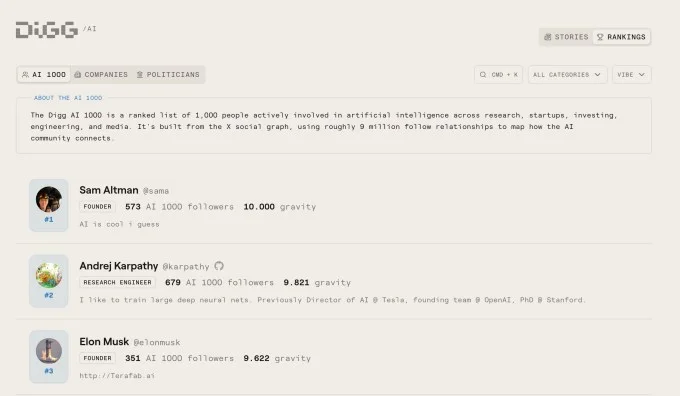
Kevin Rose, the brain behind Digg, resumed his role in full force in April after the platform unraveled earlier this year due to issues managing bot traffic and failing to carve out a distinct identity. The updated Digg aims to leverage real-time engagement metrics sourced from X (formerly Twitter) to deliver content that allegedly matters. In an email to beta testers, the team articulated their goal: to highlight the "most influential voices in a space," particularly related to AI. This is a stark departure from the first iteration that tried to replicate Reddit's community engagement model and largely fizzled.
How Digg Plans to Surface AI News
The newly redesigned Digg focuses on ranking relevant news content, with a primary emphasis on AI for now. Key features include prominent displays of trending stories and engagement metrics from X, such as likes, comments, and shares. Although this may entice data enthusiasts, the usefulness for the average user is still in question. The evolution of the site includes showcasing the top stories alongside metrics that reflect public engagement in real time, thereby promising a degree of granularity in tracking influential discussions in the realm of AI.
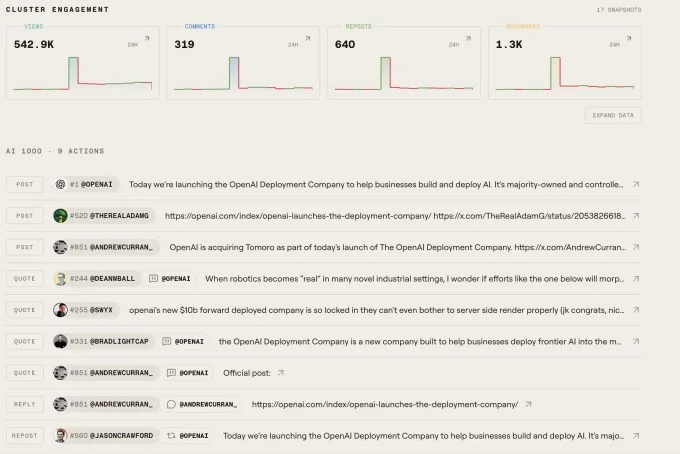
Rose has pointed out that significant engagement from figures like OpenAI’s Sam Altman can catalyze broader discussions, and the new Digg aims to track and visualize these engagement trends. Yet while interest in AI remains high, it raises an important question: What happens when Digg expands beyond this niche? Other verticals—especially those that have moved off X to platforms like Meta's Threads—show less retention of chatter and may lead to a more significant challenge in generating user interest.
The Challenges Ahead
Despite the potential for something novel in AI news aggregation, the reality is far more complicated. Simply monitoring X for trends isn't a foolproof method. As pointed out, while AI discussions may thrive on X, many topics are now circulating in more fragmented environments away from traditional news aggregators. This absence of discussion on Digg itself creates a barrier to building a community around its brand, as there's currently no forum or comments section to foster user-generated content. For instance, when users want to engage with a story, will they find value in doing so on a platform that is merely reflecting discussions happening elsewhere?
The Value Proposition
For users overwhelmed by the deluge of information on X, Digg could emerge as a valuable filter, especially for those seeking concentrated updates on AI. However, its long-term viability remains uncertain. Users already have numerous avenues to stay informed—be it their go-to news app, RSS feeds, or even tailored trending algorithms on social networks. Without a unique selling proposition, something beyond mere aggregation, Digg might falter even as it attempts to attract users with specialized content.
There's also the competitive landscape to consider. After Twitter's transition under Elon Musk's ownership, many users migrated to new platforms for different kinds of discussions, making it harder for a resurrected Digg to regain attention across broader topics. Though it initially focuses on AI, the question remains whether it will manage to replicate success in diverse areas once it expands beyond its testing bounds.
Moving Forward
If Digg can successfully establish itself as a reliable aggregator of impactful AI news and later branch into other topics, it could provide a refreshing alternative for users, especially in light of declining site visits across the publishing spectrum due to evolving search engine algorithms. AI-driven tools—such as Google’s new summaries—are changing how information is consumed, often leaving publishers to fend for themselves to maintain traffic. If Digg can navigate these waters effectively, it may not just be another site in a saturated market but could serve as an essential conduit for recovery in the publishing sector. Only time and user engagement will reveal whether this iteration can withstand the test of a rapidly shifting digital information landscape.