Amazon Alexa Tablets Bring Google Apps and Better Hardware at Black Friday Prices
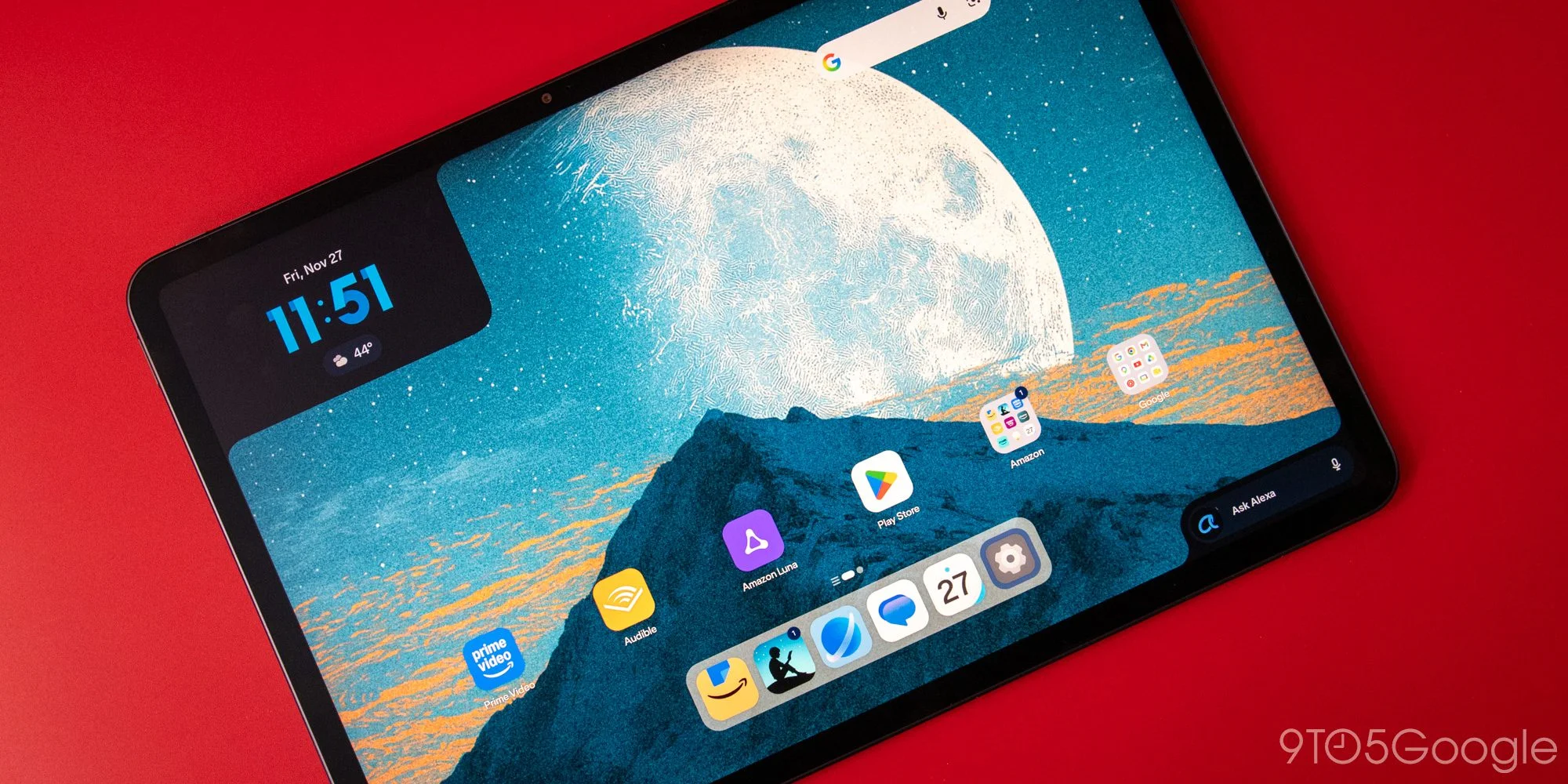
Amazon’s new Alexa tablets address two longstanding Fire tablet weaknesses: limited hardware and the absence of Google apps. Launched in October, the three-model lineup runs a refreshed Android experience with Google apps and the Play Store, making these devices more practical for people who want an affordable tablet without giving up familiar Android services. That change matters because app access can shape whether a low-cost tablet feels like a useful everyday device or a product tied too tightly to its maker’s own services. The hardware still varies by model, though, so the lineup’s broader software access doesn’t make every version equally suited to every job.
The 12 Pro raises Amazon’s hardware ambitions
The Alexa Tablet 12 Pro is the clearest sign of the shift. Starting at $350, it pairs a matte display with capable speakers and solid performance. The nanomatte version costs $400 with 128GB of storage and 8GB of RAM, while a 256GB model with 16GB of RAM is $560. Those configurations put the 12 Pro in a different conversation from a basic tablet bought mainly for occasional browsing: more memory and storage give users room for heavier multitasking and a larger collection of apps and media. The price also asks buyers to compare it with a wider range of Android tablets, where display quality, software support, and everyday speed all matter.
The software also gives users more control than older Fire tablets did. Amazon’s launcher still features its own widgets and content suggestions, but users can replace it with a launcher of their choice. That combination of improved hardware, Google services and launcher flexibility makes the 12 Pro feel like a more capable general-purpose Android tablet. It’s a meaningful shift in how much the device asks users to adapt to Amazon’s preferences. This is more significant than it looks: a familiar app store and a replaceable home screen can reduce the friction of moving between devices and services.
Lower prices come with a few tradeoffs
The 8-inch Alexa Tablet is the entry point, with Black Friday pricing at $130 for 64GB of storage and 4GB of RAM, or $200 for 128GB and 8GB of RAM. The base model has enough performance for typical tablet tasks, while the upgraded version doubles the memory. For common uses such as browsing, video, and reading, the lower-priced configuration may be sufficient; users who keep many apps open or expect to hold onto a device for longer may find the added memory more useful. The difference in price also makes storage a practical choice rather than a technical footnote.
The 11-inch Alexa Tablet sits between the two, offering a sharper display and 8GB of RAM across both storage options. Its Black Friday prices start at $200 for 64GB and rise to $220 for 128GB. The model has yet to receive a review, so its real-world performance remains less established. That gap matters: specifications can suggest where a tablet fits, but they don’t tell you how responsive it feels, how well its display handles different content, or whether its battery and speakers meet everyday expectations. Until those details are tested, buyers have less evidence to judge the 11-inch model than they do the 12 Pro.
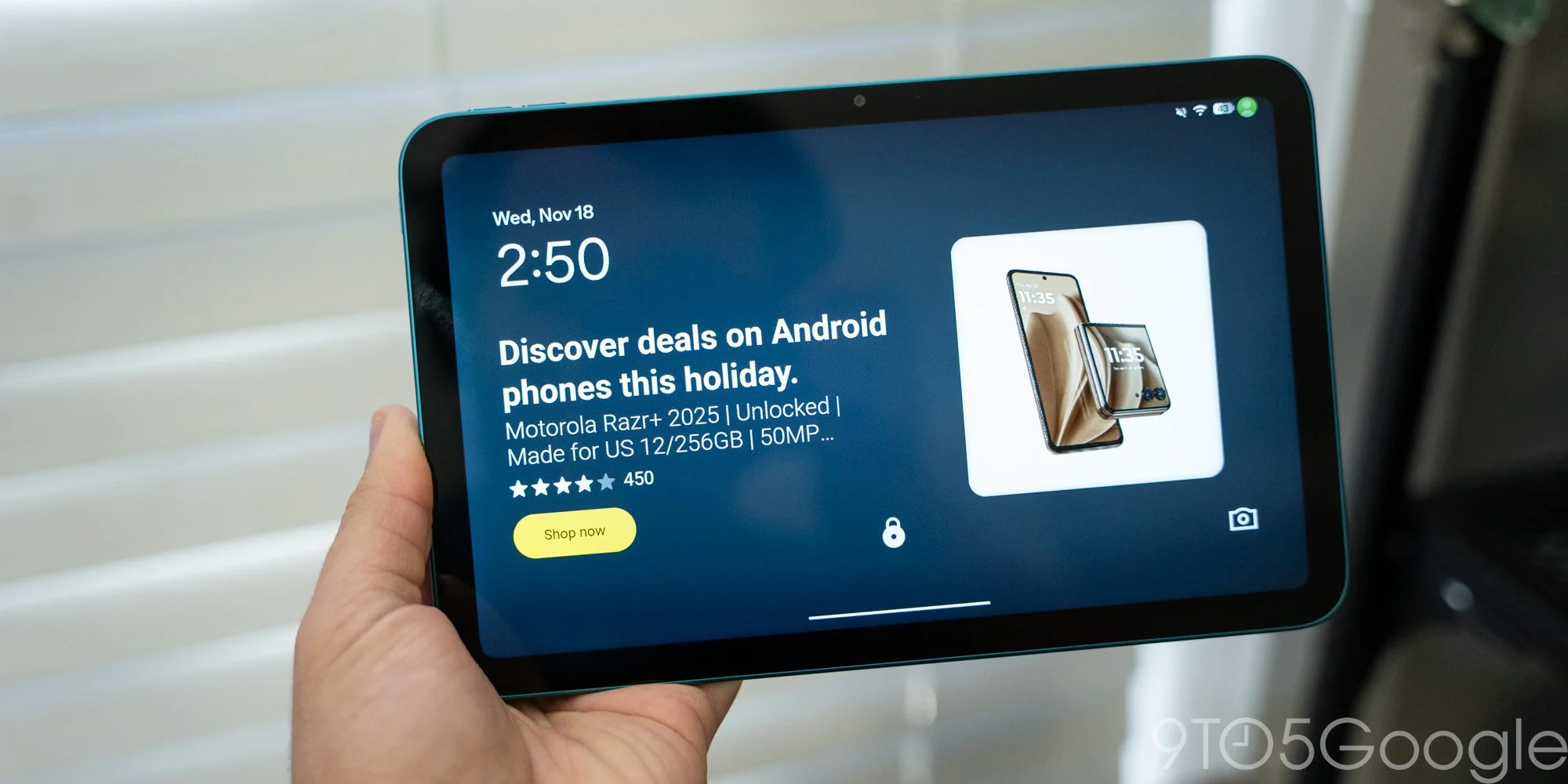
There’s one familiar Amazon compromise on the two smaller models: sponsored lock-screen ads. Removing them costs an extra $20 on the Alexa Tablet 8 or 11. The 12 Pro doesn’t include those ads, which adds to its appeal if the higher price fits your budget. It’s a small charge beside the device price, but it changes the comparison: the advertised entry price isn’t the full cost for buyers who want an uncluttered lock screen. And this is the part most people overlook: small design choices can shape the daily experience more than a spec sheet suggests.
What the lineup means for buyers
Amazon’s tablet lineup now spans everyday browsing and media use through a larger, more refined model, while bringing Google apps to the experience. The 8-inch tablet offers the lowest-cost entry; the 12 Pro makes the strongest case for Amazon hardware as a serious Android option. Here's the thing: the broadest improvement is the move toward a tablet experience that can accommodate people already using Google’s services, rather than asking them to accept a narrower app selection. That makes the range easier to consider, but it doesn’t erase the usual questions about performance, display quality, and how long software remains current.
If you’re working out which model fits, start with how you’ll use it. A compact screen and lower price may suit casual reading or video, while a larger display and more memory could make the 12 Pro a better fit for frequent multitasking. The 11-inch tablet may prove to be the middle ground, but its review status leaves a real uncertainty. The numbers here are underwhelming only if you expect every model to deliver the same value: the lineup instead asks buyers to weigh screen size, memory, storage, ads, and price together. A more open Android experience. That said, the devices’ appeal will depend on whether the hardware and software hold up in regular use, not just on the presence of the Play Store.