Galaxy Z Fold 8’s Compact Cover Screen Makes Foldables Easier to Use
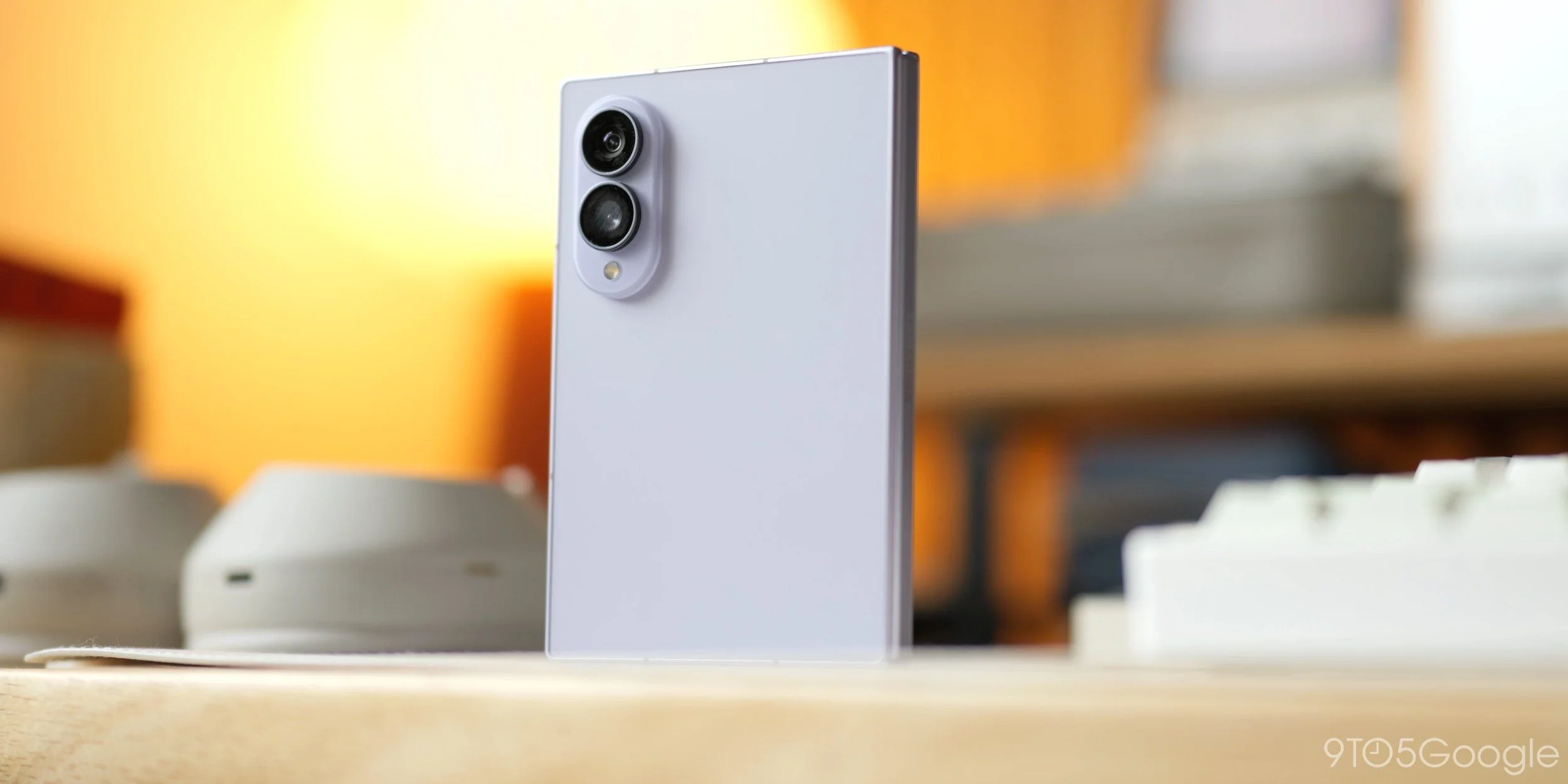
The Galaxy Z Fold 8 makes a persuasive case for a smaller foldable: its cover screen is useful enough to become the main display, while the inner screen adds room when an app needs it. That took months to appreciate. Early on, the phone’s proportions kept colliding with habits built around larger foldables. The change isn’t just a matter of fitting a different shape into a pocket; it asks you to reconsider which screen should handle ordinary tasks. That adjustment is the Fold 8’s central test, and it takes time.
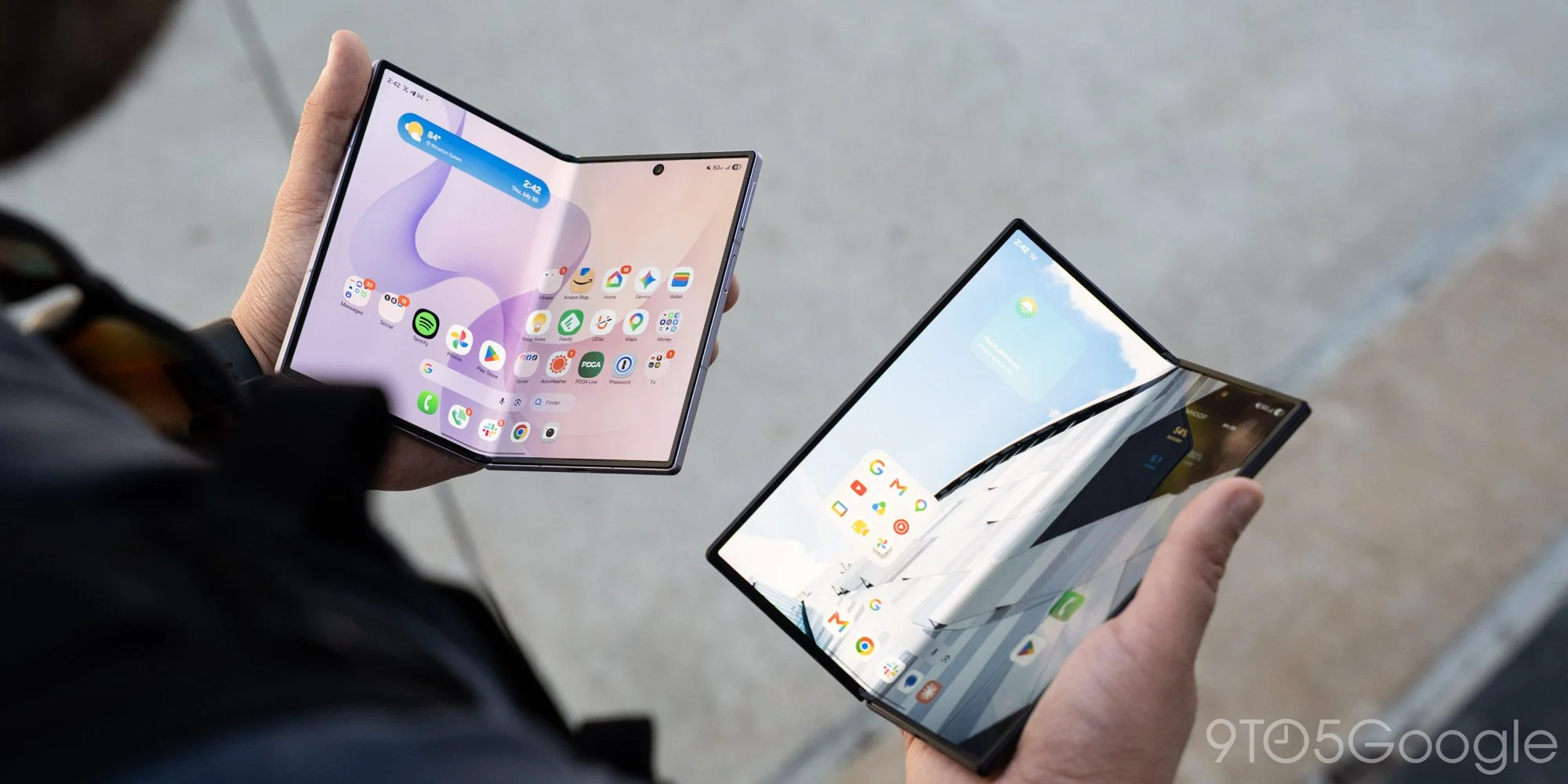
A different default for foldable use
Compared with Samsung’s Galaxy Z Fold 8 Ultra, the Fold 8 has a compact, squarer cover screen with less vertical space. It’s a marked shift from the taller profile common to mainstream Samsung foldables, and the adjustment felt awkward at first. The issue was mostly muscle memory: I expected to use the inner display as my primary screen and kept opening it even when the cover screen would do. That reflex makes sense if you’ve spent time with larger foldables, where the outside display can feel like a narrow preview of the main event. Here, though, opening the phone for every small task undermines the point of the smaller design.
That instinct made the phone feel less convenient than it was. Once I started using the outer display for everyday tasks, its extra width proved useful. Social apps have more room for videos, while shopping and productivity apps fit comfortably. App updates for Android 17 and One UI 9 have helped those experiences fall into place. The difference is practical: a display can be shorter and still work well if its width gives apps enough space for their usual controls and content. It won’t suit every preference, but it makes the Fold 8’s outside screen feel like a destination, not merely a way to check notifications before unfolding.
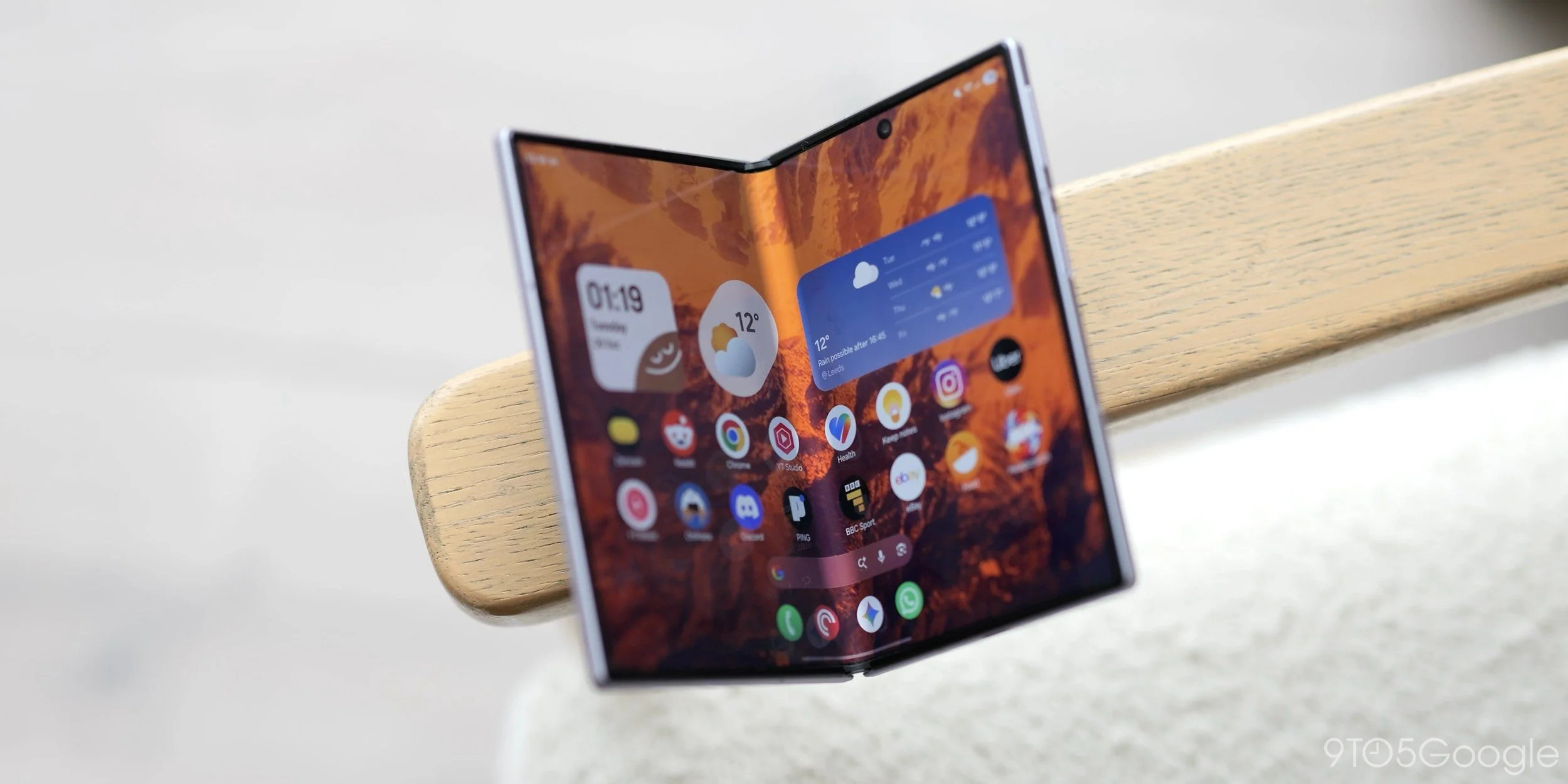
The Fold 8 also changed how I use its inner screen. Landscape orientation seemed like the obvious choice for a device that opens wide, but it’s the wrong default for many apps. Rotated into portrait, the larger display gives content more room without asking me to treat every task as a tablet session. I now turn the phone for most uses and save the wide view primarily for video and multitasking. That distinction matters because a foldable’s extra screen area only helps when an app’s layout makes good use of it. A bigger panel can still feel awkward if the orientation forces familiar content into an unfamiliar shape.
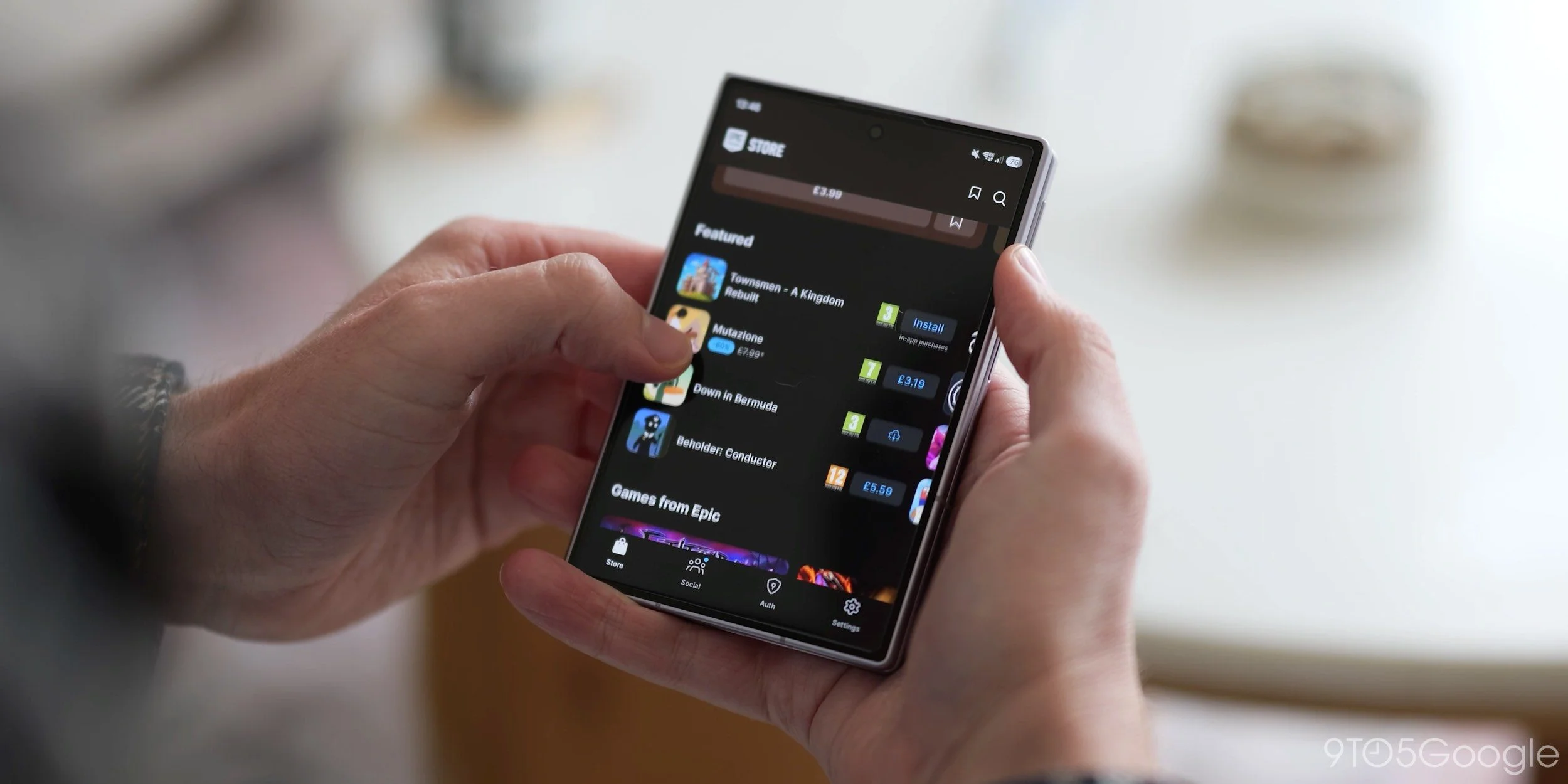
The Ultra remains stronger for multitasking, and its broader inner display has advantages for media. But the Fold 8’s smaller build makes the cover screen feel like a real everyday option, rather than a stopgap before opening the device. That balance is the product’s central idea: a foldable can offer a large display without making the larger screen the default for everything. This is more significant than it looks. It shifts the measure of a foldable from how often you unfold it to whether each screen earns a place in your routine.
After enough time with it, the Fold 8’s proportions have become familiar enough that other phones feel unusual. Even as a test of a smaller foldable format, it’s convincing: a little adaptation can make a compact device feel more natural than a larger one. There’s a caveat, though. The first impression is less flattering than the settled experience, so a quick store demo may not tell you how the device will feel after your habits catch up. Familiarity is part of the product here.
Comfort wins over camera reach
Given the choice again, I’d pick the Galaxy Z Fold 8 over the Ultra. The camera system is less capable, particularly when it comes to telephoto photos, and the inner screen doesn’t match the Ultra for multitasking. Still, those tradeoffs matter less to me than the way the smaller phone handles daily use. That’s a personal weighting, not a claim that the camera gap is trivial: anyone who often reaches for telephoto framing may come to a different conclusion. For my routine, comfort and the cover screen’s usefulness carry more weight.
Performance has held up across the apps I rely on, and battery life has been a strong point. Several months in, I’m still getting more than a day from a charge, a result I didn’t get from the Galaxy Z Fold 7. Battery experience depends on how a device is used, so that’s best read as a report from this period of daily use rather than a promise for every owner. Even so, it matters that the smaller phone hasn’t made routine use feel like a constant compromise on endurance. A foldable that’s easier to use only helps if it can keep up with the day.
What the smaller design signals
There’s speculation that Samsung could combine the Fold 8’s design with an Ultra-level camera system in a future Galaxy Z Fold 9, but no details are confirmed. That possibility shouldn’t be mistaken for a product plan. The present device makes its own argument: screen size, camera reach, and comfort pull in different directions, and a foldable’s appeal depends on which of those tradeoffs you notice most. If you’re working in this space, the useful question is whether the cover display can carry enough of the day that unfolding becomes an option instead of a reflex.
For now, the Fold 8 shows how a change in foldable proportions can reshape everyday use—and why the most useful screen may be the one that’s already open. The compromise is clear, and so is the benefit. A smaller foldable won’t make the Ultra obsolete; it gives buyers a reason to value ease of use alongside maximum screen area and camera capability. Here’s the thing: the best screen may be the one you reach for without thinking. That said, it took months for that choice to feel natural.