Motorola Signature 27’s Haptics Bring Pixel-Like Feedback to a New Flagship
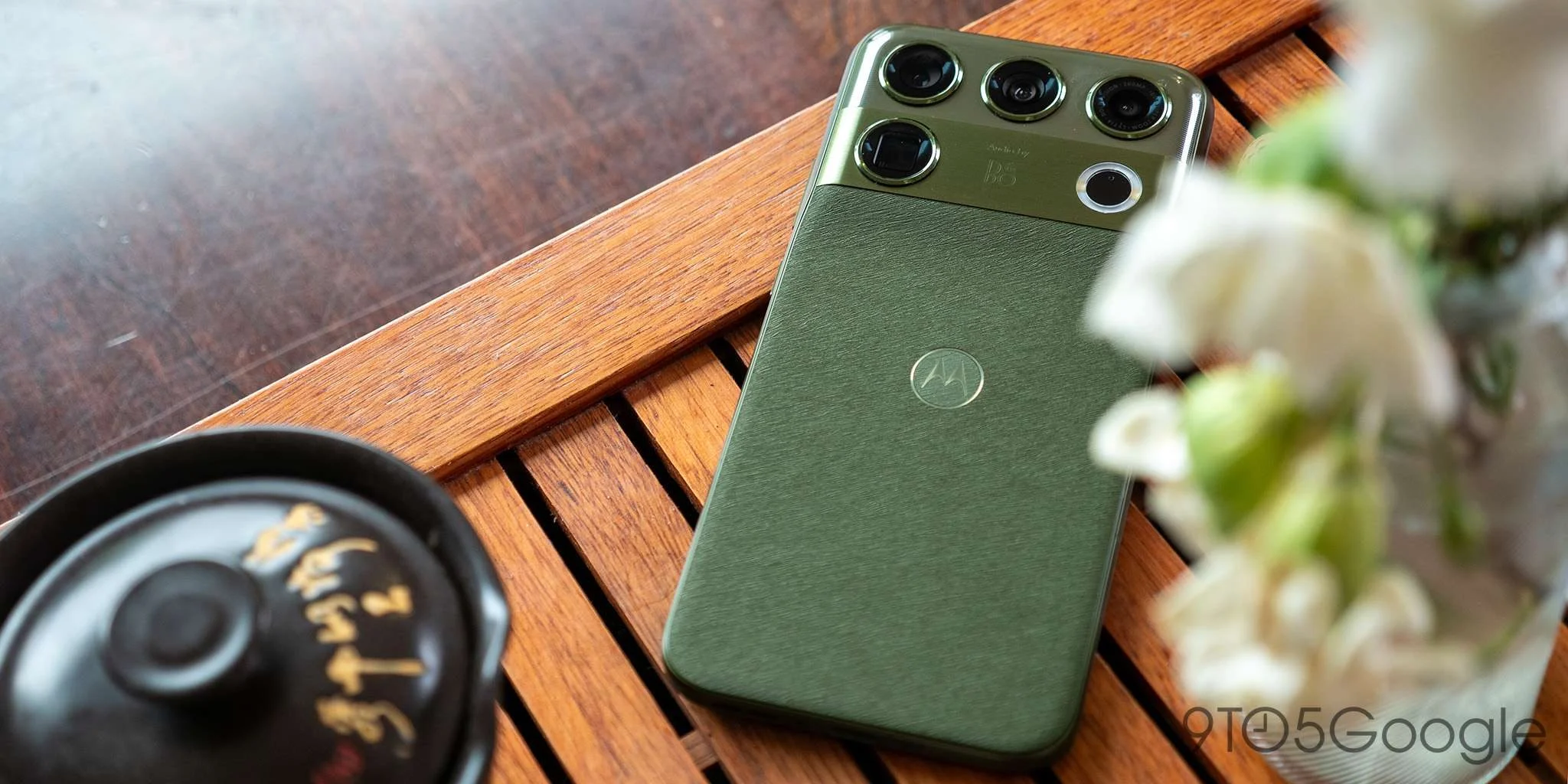
The Motorola Signature 27’s most convincing flagship upgrade may be one you can’t see. Its stronger, more precise haptic feedback gives routine actions a tactile finish that Motorola phones have often lacked, bringing the experience closer to Google’s Pixel phones. That’s a small change in the parts list with a larger effect on how the device feels in use: the motor doesn’t alter what the phone can do, but it can make familiar actions feel more deliberate.
Haptics are easy to dismiss as a minor feature because they’re felt in brief moments rather than displayed on a specification sheet. But a phone is handled constantly, and small cues accumulate. A tap that gets a clean response can feel more certain than one followed by a generic buzz. This is more significant than it looks, though the effect depends on whether the software uses the hardware with restraint and consistency.
A more considered physical design
The phone’s design makes a strong first impression, too. Its “Capulet Olive” finish has a textured back, while the curved front, rear and edges create a rounded shape that’s comfortable to hold. The curves stop short of the waterfall displays that could make earlier phones awkward to use. That balance matters: a curved design can soften the way a phone sits in the hand, but extreme curves may complicate everyday handling. Here, the shape gives the device a distinct feel without making the screen’s edges the main event.
Still, finish and shape tell only part of the story. A premium phone is experienced through a collection of small interactions: picking it up, moving through the interface, typing a message, and putting it back down. The Signature 27’s tactile feedback adds another layer to that experience. It gives the hardware a more complete feel, even if it’s not the sort of feature that will dominate a product demonstration.
And yet, the vibration motor is the detail that gives the polished hardware its most meaningful day-to-day distinction. The casing and finish shape a first impression; haptics return with every interaction that triggers them.
Sharper feedback for everyday actions
Typing is where the upgrade becomes easiest to notice. Each key press gets a crisp response that suggests the feel of a physical keyboard, giving on-screen input more definition. The sensation can’t reproduce the travel or mechanics of real keys, but it helps separate one press from the next. That matters most when typing quickly, when a soft or indistinct vibration can fade into the background.
Unlocking the phone produces a brief pulse under the thumb, while tapping to send a reply on X and seeing the accompanying animation creates a satisfying sense of action. These are ordinary moments, and that’s the point. Haptics work best when they support an action the user already understands, offering a small confirmation without demanding attention or slowing the interaction down.
That kind of feedback changes how ordinary interface moments register. A vibration can confirm that a touch landed, add weight to an animation, and make software feel more responsive. It doesn’t make an app faster, but it can make the response feel more immediate by giving the user another cue to interpret. Pixel phones have set a high bar here; the Signature 27 now delivers some of that same tactile clarity.
There’s a practical distinction between a phone that vibrates and one whose vibration feels connected to what’s happening on screen. The first provides a signal. The second can make a tap, transition, or confirmation feel like part of a coherent interaction. The Signature 27’s sharper feedback suggests Motorola has improved the quality of that signal, especially in the actions where the effect is already noticeable.
For anyone who types heavily on a phone, that difference may register more often than a feature used only occasionally. If you’re working in this space, the useful question isn’t simply whether the motor is stronger; it’s whether the software gives each pulse a clear purpose. A crisp typing response earns its place because it follows each key press. A vibration that fires without adding information can quickly become noise.
Motorola still has room to tune the interface
The motor’s quality is only part of the experience. The Signature 27 doesn’t apply haptics as consistently across its interface as Pixel devices do. Adjusting brightness or volume, for instance, lacks the tactile sensation of turning a physical dial. Those controls are familiar examples of places where vibration could make a sliding adjustment feel more defined, helping the user sense movement as well as see it.
Motorola could make those controls feel more precise by extending its haptic feedback to them in a software update. That would put the improved hardware to work in more of the interface, rather than concentrating its effect in a narrower set of interactions. The difference matters because users don’t experience a vibration motor in isolation; they experience Motorola’s choices about when it runs, how strong it feels, and whether it matches the action.
(And this is the part most people overlook.) Better hardware doesn’t automatically produce better interaction design. If the feedback is inconsistent, the user has to learn which actions will respond and which won’t. Consistency helps haptics feel like a language the interface speaks, instead of a collection of unrelated effects.
The gap keeps the Signature 27 from matching Pixel’s broader use of vibration as an interface cue, but the hardware itself marks a meaningful improvement. Motorola’s next step is to put that stronger motor to work in more places. The phone already shows how much a carefully tuned vibration can add to a premium device’s everyday feel. The remaining question is how far Motorola will carry the approach across its software.
Why the small details matter
Haptics won’t transform the Signature 27’s basic capabilities, and their value will vary from person to person. Some users may prefer minimal vibration; others may notice the improved response each time they type or confirm an action. The point is that feedback affects the relationship between touch and response, a part of phone use that’s easy to overlook until it feels better—or feels poorly judged.
What this means for you is straightforward: if tactile feedback matters to your daily use, the Signature 27 appears to make a real step forward, especially in typing and a few routine actions. But the experience still has gaps. The strongest case for the upgrade is the quality of the motor; the clearest reservation is that Motorola hasn’t carried the same attention through every control.
A more polished touch. And more work for the software.