Apple Health AI Study Examines Trust, Accuracy and Everyday Use
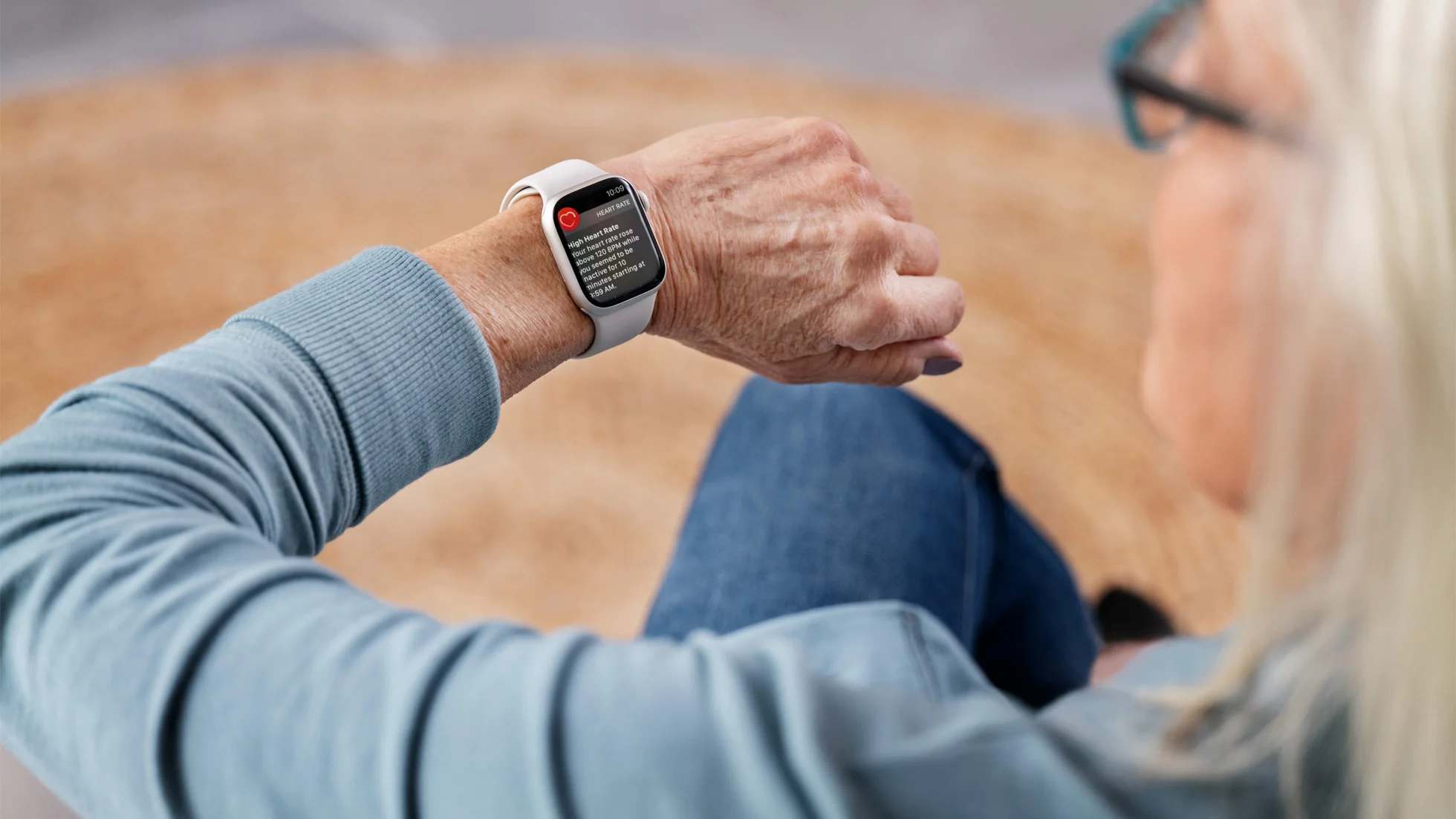
A study about how people use health AI
Apple’s new health AI study puts a useful question ahead of the usual chatbot demo: can people understand and act on AI generated health information without mistaking it for medical care? That distinction matters because a fluent answer can feel authoritative even when it’s incomplete, unclear, or wrong. The app can answer everyday questions and show peer reviewed clinical citations, but Apple says it can’t diagnose, treat, or provide medical advice.
The distinction between information and care is easy to state and harder to maintain in practice. A person asking about a symptom may be looking for reassurance, a next step, or help making sense of unfamiliar terms. An answer with citations may help with that, but it can also make a response feel more settled than the underlying evidence warrants. The study is useful precisely because it asks what people do with the answers, not only whether the software can produce them.
What Apple is studying
Announced on November 15 with OpenEvidence, the Apple Health AI Usage Study will enroll up to 200,000 eligible US adults. Researchers plan to assess response quality and whether participants understand and trust the answers. They’ll also look at whether the app influences everyday health decisions or helps people prepare for appointments.
That’s a broader test than asking whether an answer sounds credible. A system might produce a factually supported explanation while still leaving a user unsure about what to do next, or confident in a conclusion the answer doesn’t actually support. Measuring comprehension and trust alongside response quality gives researchers a chance to examine that gap. The available details don’t yet explain how those judgments will be measured or how results will be compared across participants.
If you’re considering taking part, the study’s real value will depend on what it learns about how people use these responses in context. A question asked out of curiosity is different from one asked when someone is deciding whether to seek care. That context can change how much weight a user gives an answer, even when the wording and citations are the same.
Participation requires being at least 21 and having an iPhone that supports Apple Intelligence and runs iOS 26 or later. The app is free to download. Its App Store age rating is 18+, but that doesn’t change the study’s minimum enrollment age. Those requirements also shape who can participate, so the study’s findings will reflect the experiences of eligible iPhone users rather than every person who might turn to AI with a health question.
Health data sharing is optional
Participants can choose whether to share HealthKit information, including sleep, resting heart rate, and lab results, for more personalized answers. Sharing survey responses is also optional. Apple says study data won’t be used to train AI models.
That choice matters because health information can make an answer more relevant while also making the exchange more personal. The study’s description identifies examples of data participants may share, but users still need to weigh whether those details are useful to their own participation. Optional sharing gives people control over that part of the study; it doesn’t establish that a tailored answer is more clinically reliable.
There’s a sensible boundary here, but don’t confuse citations with clinical oversight. A citation can show where information came from, yet it doesn’t guarantee that the answer has applied that information correctly to an individual’s situation. Apple acknowledges that answers may be incomplete or unclear, and directs people with health concerns to consult a doctor or clinician. That warning should shape how participants interpret the app, especially when a question involves a personal symptom or decision.
The App Store listing states that neither the app nor the study provides medical advice, diagnosis, or treatment. The study announcement is available from Apple.
Trust in Apple doesn’t guarantee trustworthy health advice
Apple may be able to persuade people to share health and fitness data with an AI service. That trust in the company’s privacy practices won’t automatically make an AI’s medical answers dependable. This is more significant than it looks: confidence in the company behind a tool and confidence in the tool’s answer are different judgments, even if users don’t always separate them.
The scale of AI health advice is already striking: OpenAI reports that more than 40 million people ask ChatGPT health questions each day, while King’s College London found that one in seven people have used AI instead of visiting a GP. Those figures describe different measures, but both point to a familiar behavior: people are already bringing health questions to AI tools. The question for Apple is how its product affects that behavior, and whether citations, personalization, and the company’s reputation change how users assess an answer.
Apple says its study will examine what shapes users’ trust, how good AI responses are, whether people understand them, and how those answers affect everyday health choices. The company says the findings should help guide responsible health AI design, both at Apple and across the industry. Here's the thing: research into user behavior can reveal where people misunderstand an answer, but it can’t by itself establish that the system is suitable for making clinical decisions.
What the findings could mean
The study could help explain why people turn to AI for medical guidance and what they do with the answers. For the wider field, that’s a practical question: similar systems typically sit between search and professional care, offering immediate explanations without the relationship or judgment that comes with a clinician. Understanding how users interpret that middle ground may help designers communicate limits more clearly.
And yet, the study’s value will depend on what Apple eventually shares about its methods and findings. The enrollment target is large, but size alone doesn’t answer whether participants understood a response, whether their trust was well placed, or how much the app changed their decisions. Those details will matter more than a polished demonstration of the app answering a question.
Joining a study is a way to contribute to research, not a preview of a finished product or an early version of an AI doctor. If you regularly ask AI about your health, treat its answers cautiously and bring concerns to a doctor or clinician. The promise is convenient access to explanations. The hard part is knowing when an explanation isn’t enough.