Pixel Watch and Fitbit Air Bands Show How Far Budget Accessories Have Come
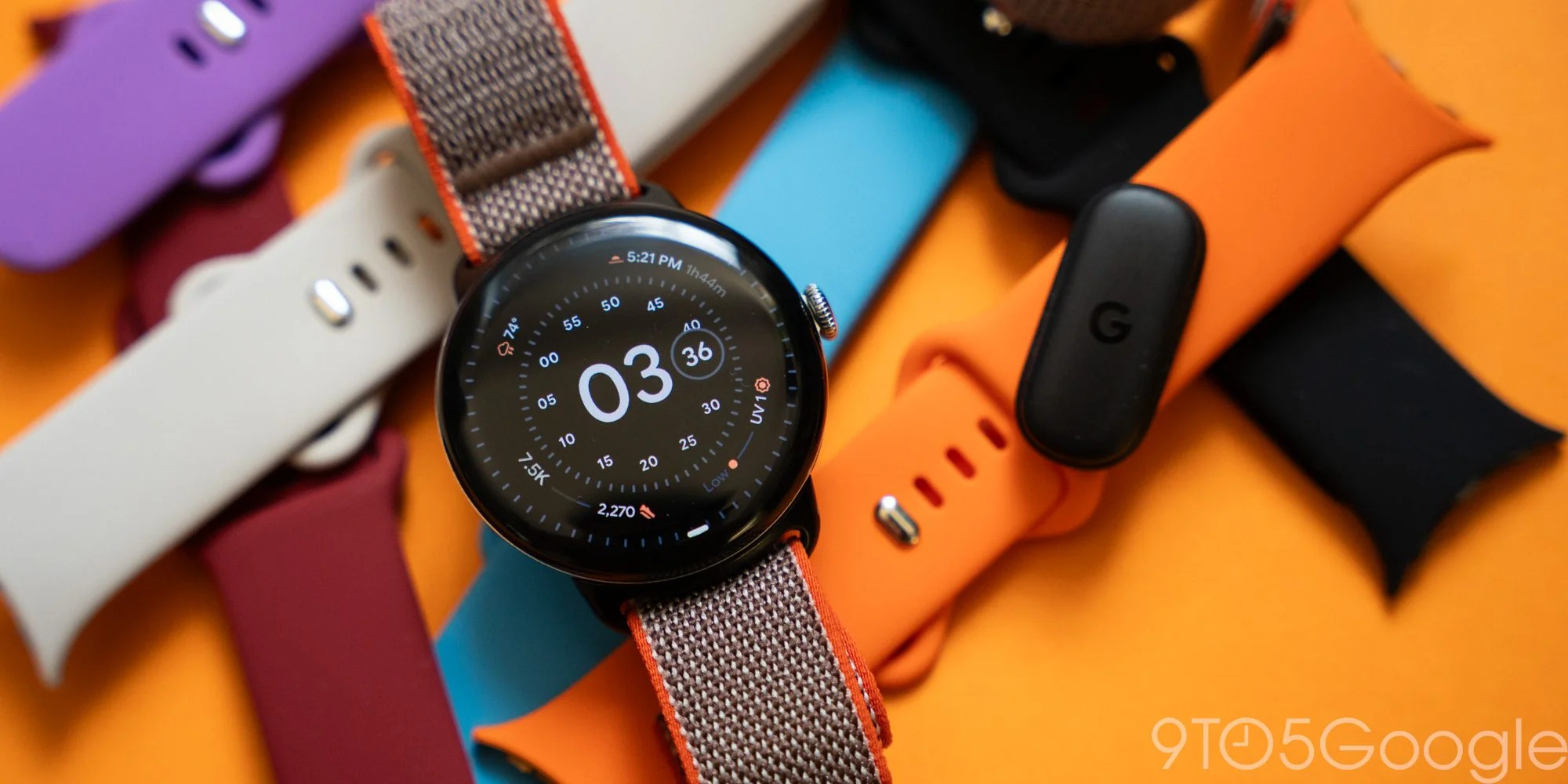
Third-party watch bands have reached the point where price and color choice can matter more than the Google logo. In my recent testing, inexpensive options for the Pixel Watch 5 and Fitbit Air fit well and feel close to Google’s own bands, even though there are still small differences in materials and design. That changes the shopping calculation: a branded band may still be the safer choice for a specific finish, but it no longer looks like the only dependable option. If you’re working out which accessory to buy, the practical question is now whether the differences you can see and feel justify the extra cost.
Pixel Watch bands at a fraction of the price
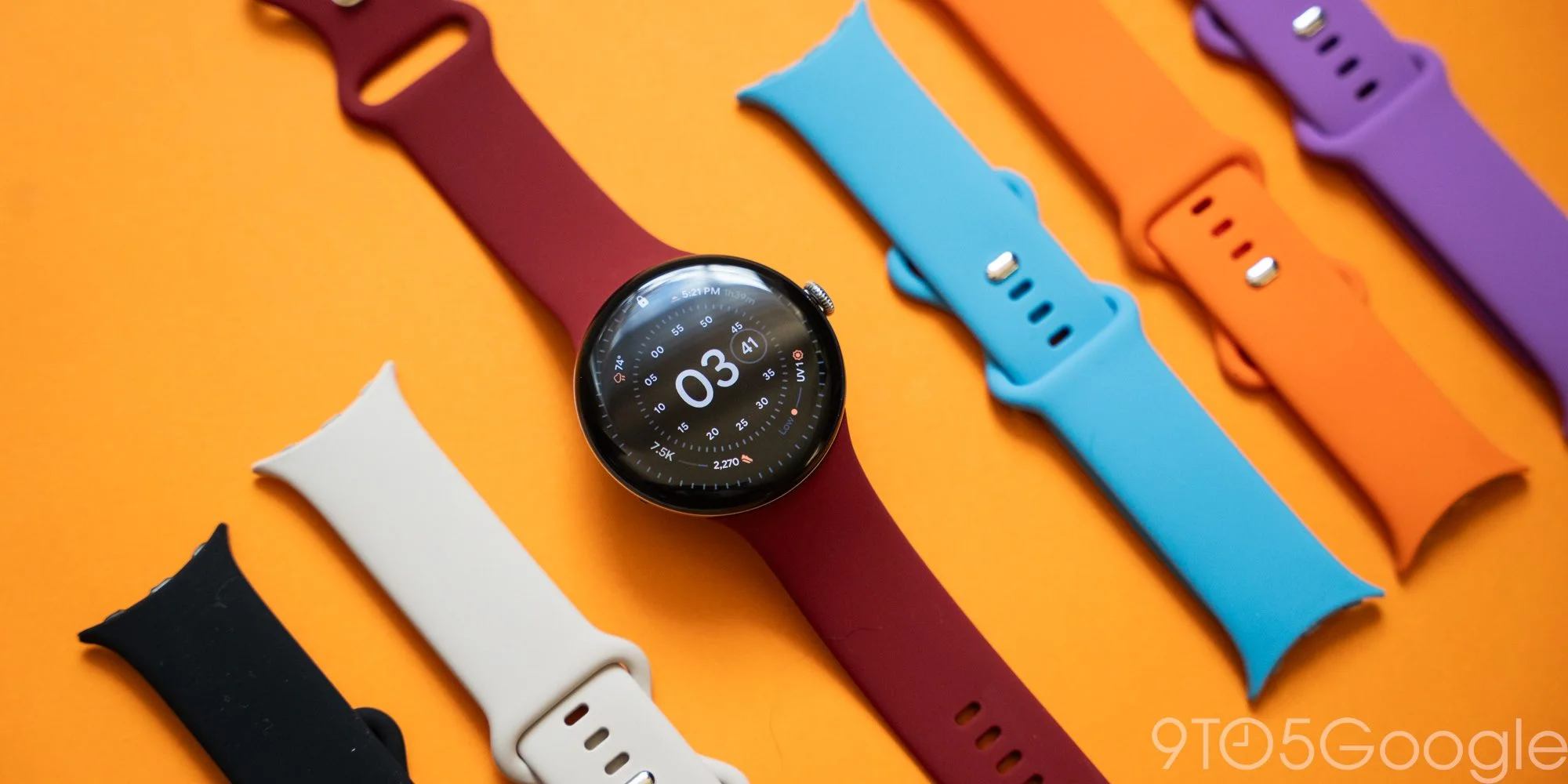
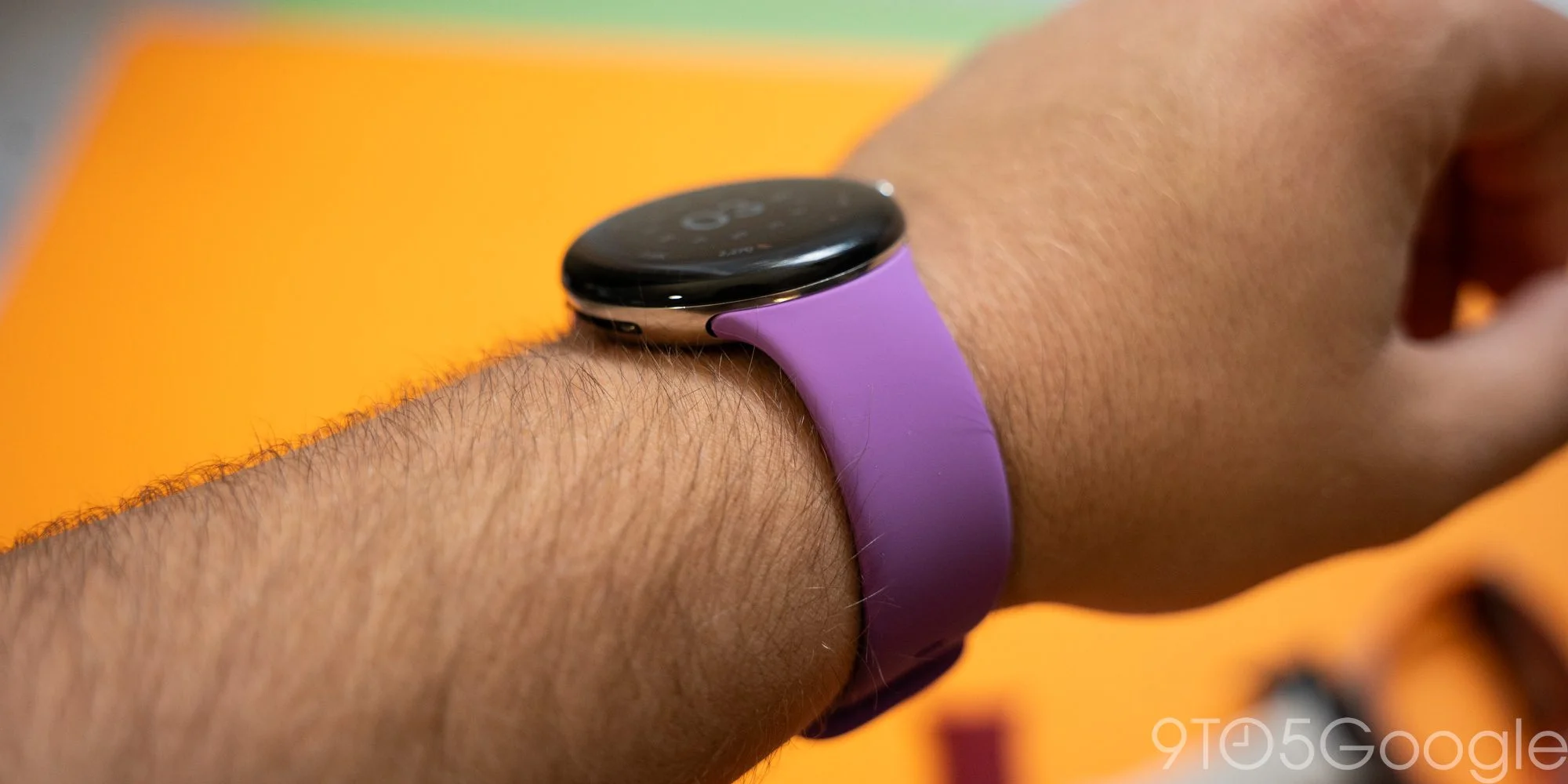
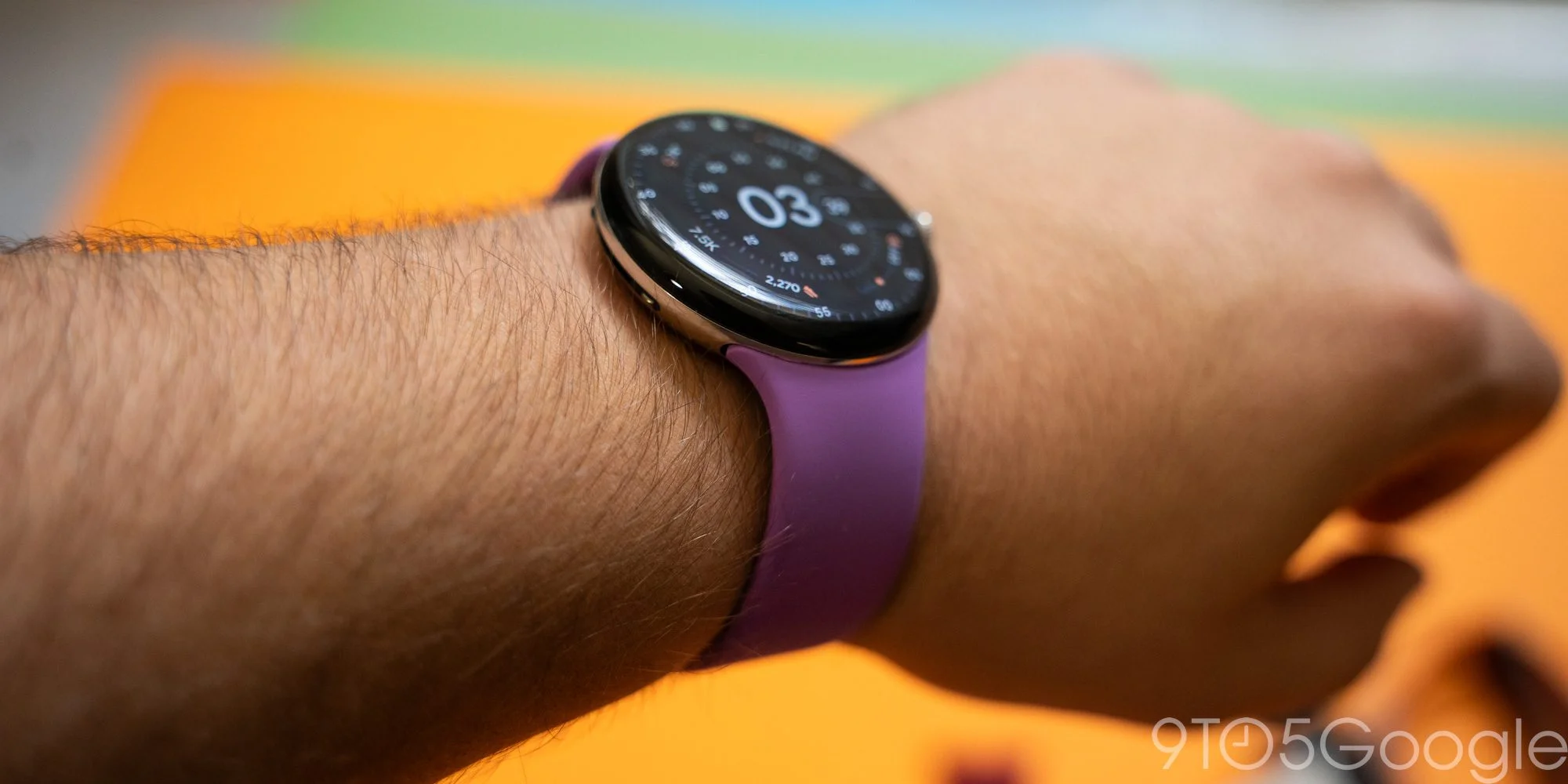
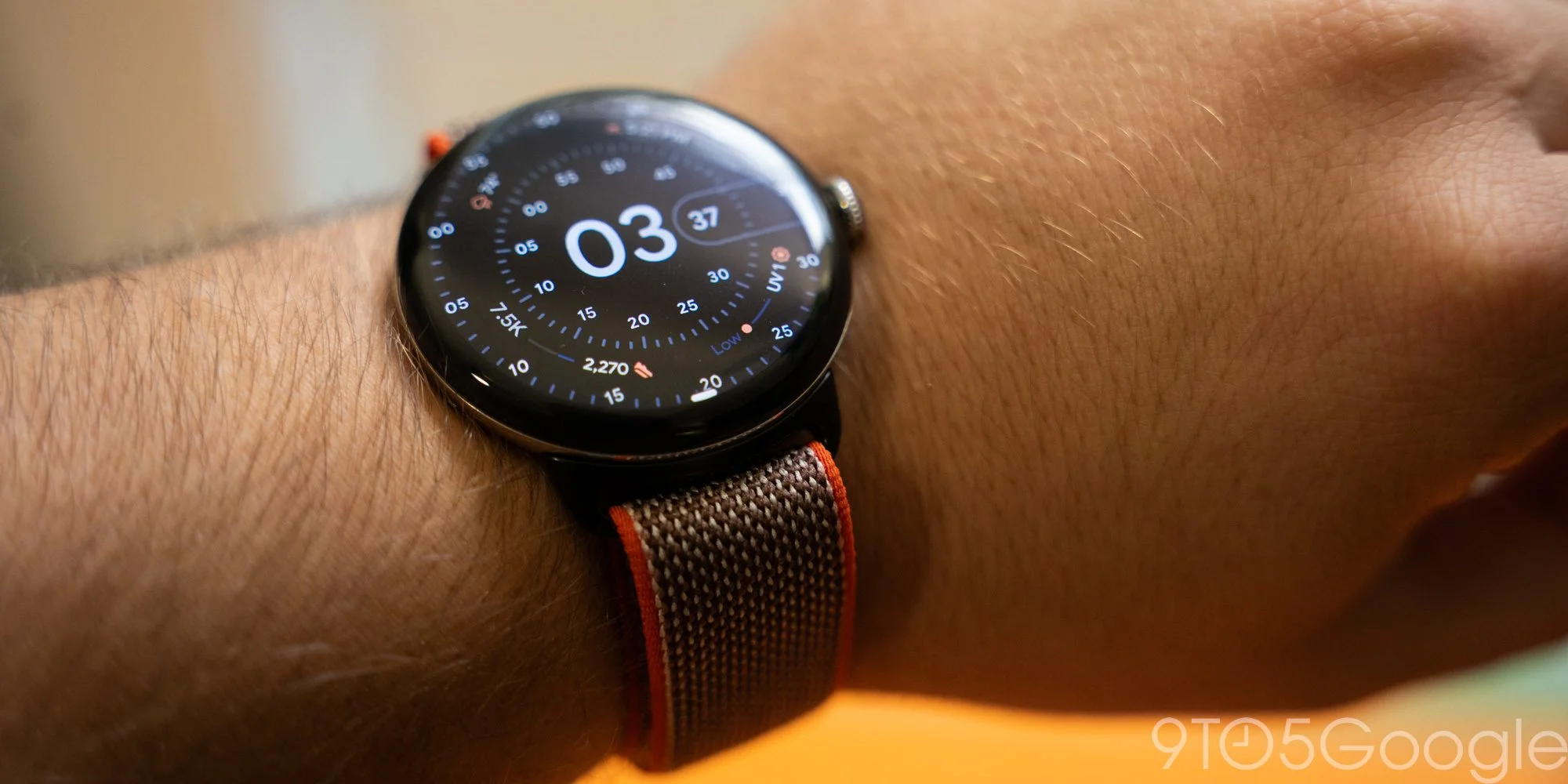
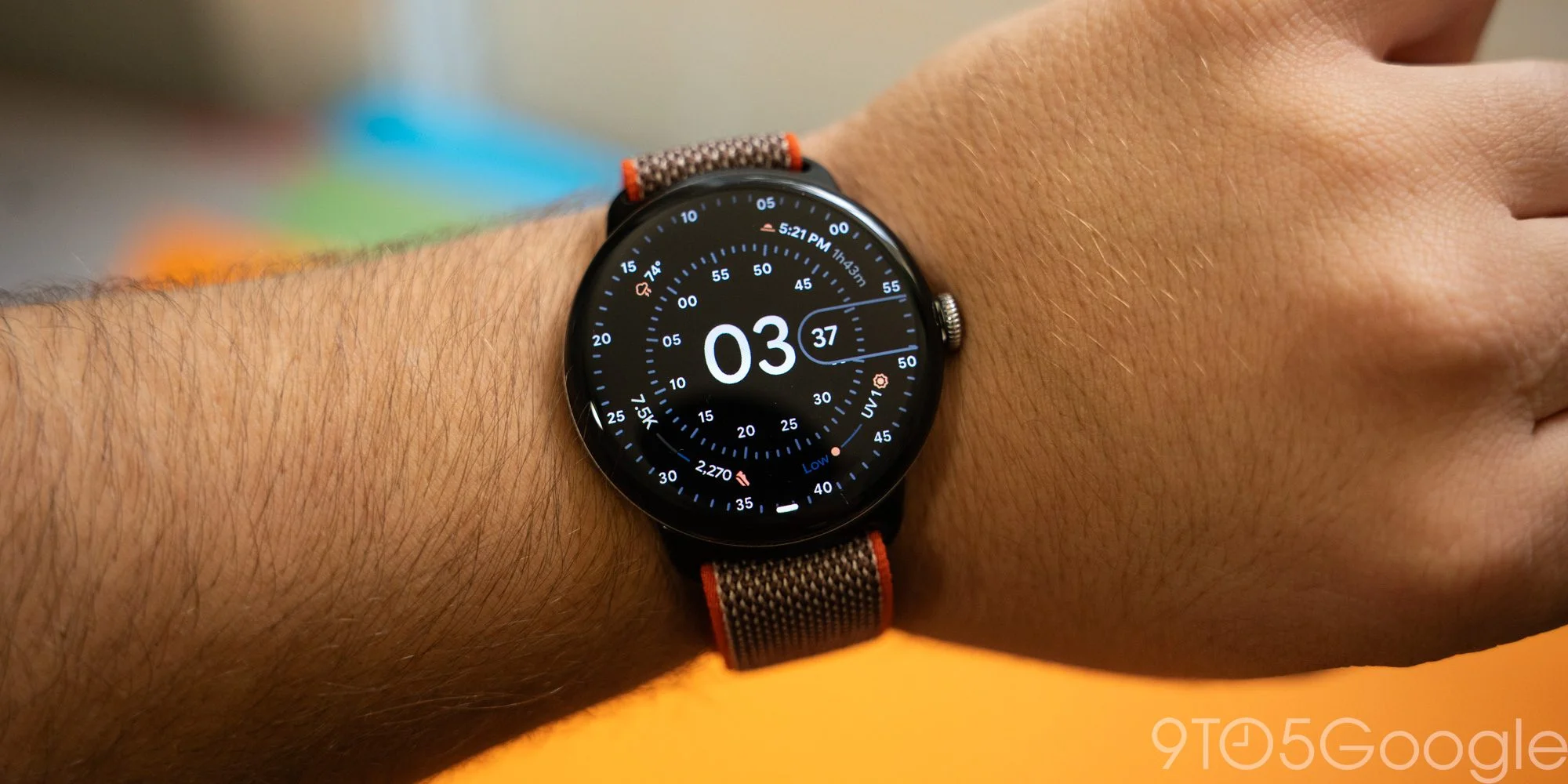
That’s a notable shift from the Pixel Watch’s early years, when third-party bands were scarce or poor quality. A small accessory market tends to improve when makers have had time to learn the attachment system and buyers can compare more options; in this case, the change is visible in the fit and finish of the bands I tried. After trying an $8 alternative to Google’s Active Sport band last year, I picked up a six-pack modeled on the standard Active band. It’s a more useful test of the market’s current state: one low-cost band could be an outlier, while a set gives buyers several colors to judge against the same basic design.
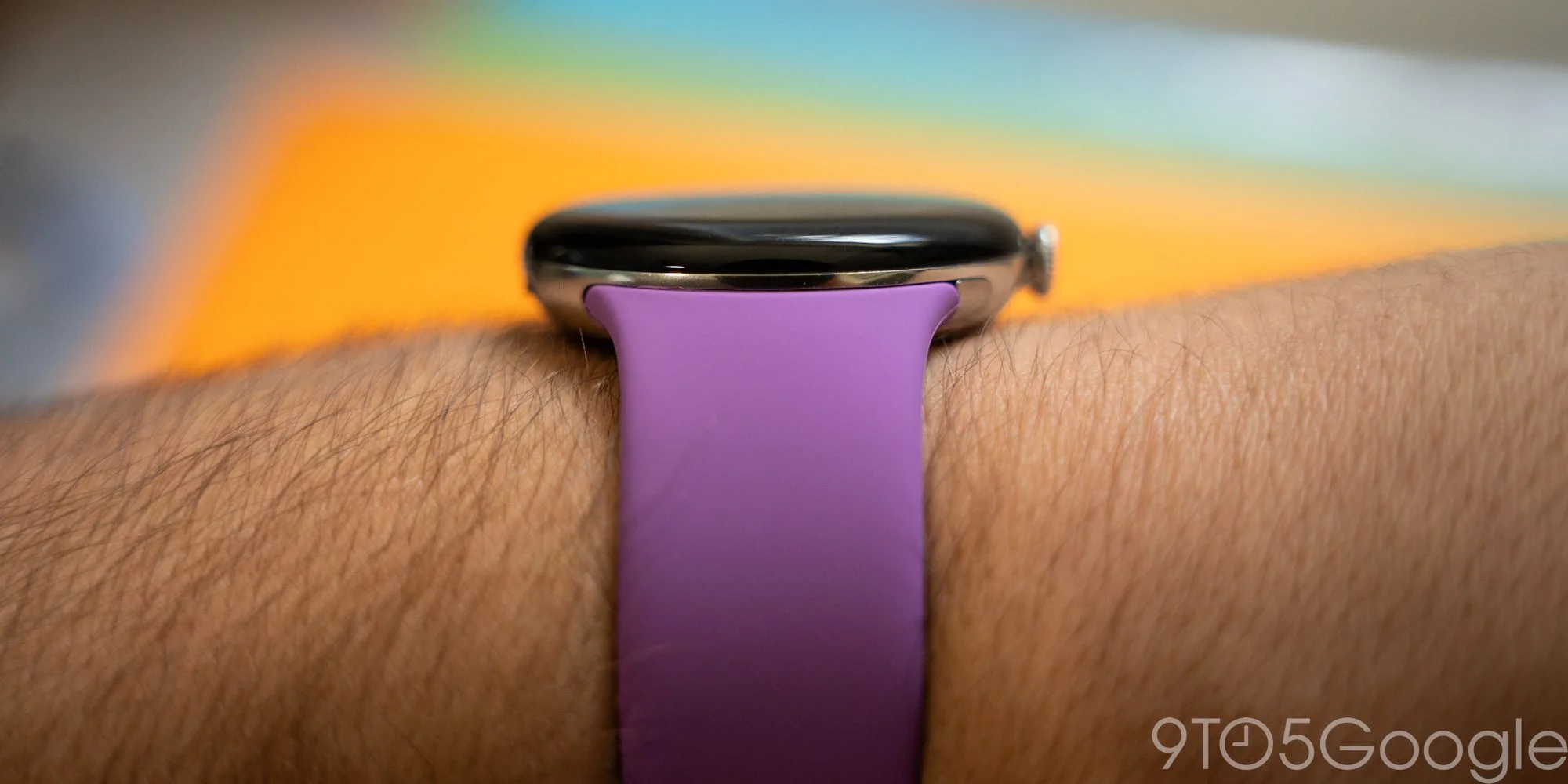
The set costs $10 and uses silicone. Google’s previous bands used fluoroelastomer, while the Pixel Watch 5’s current Active band uses hydrogenated nitrile butadiene rubber, or HNBR. Those material differences matter because a band is in contact with the skin for hours, and a similar appearance doesn’t guarantee the same feel, flexibility, or wear over time. In my daily use, this silicone option is comfortable and functional, but that’s a narrower claim than saying it’ll age exactly like Google’s band. The low price makes experimentation easy; it doesn’t answer every question about long-term durability.
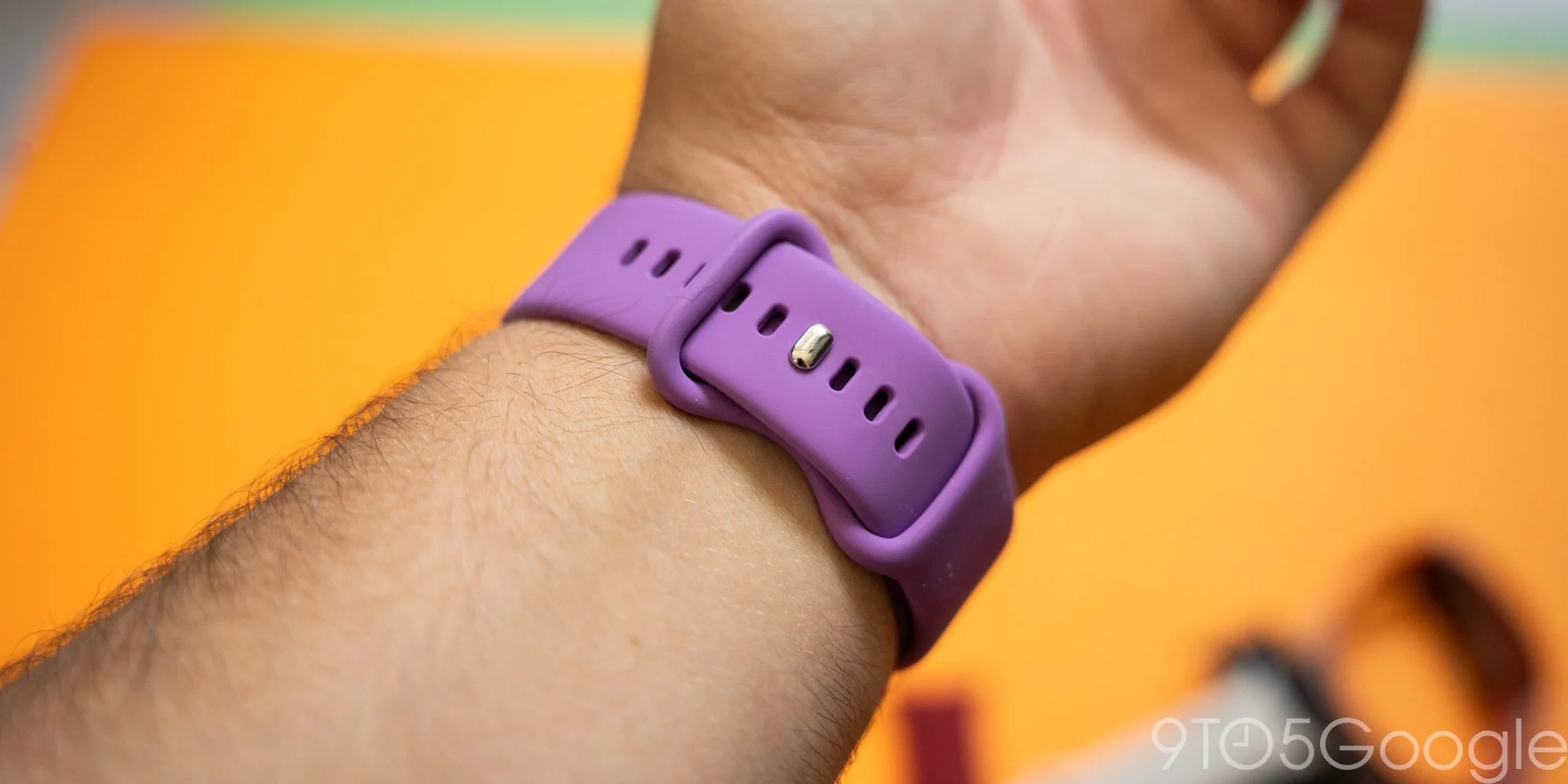
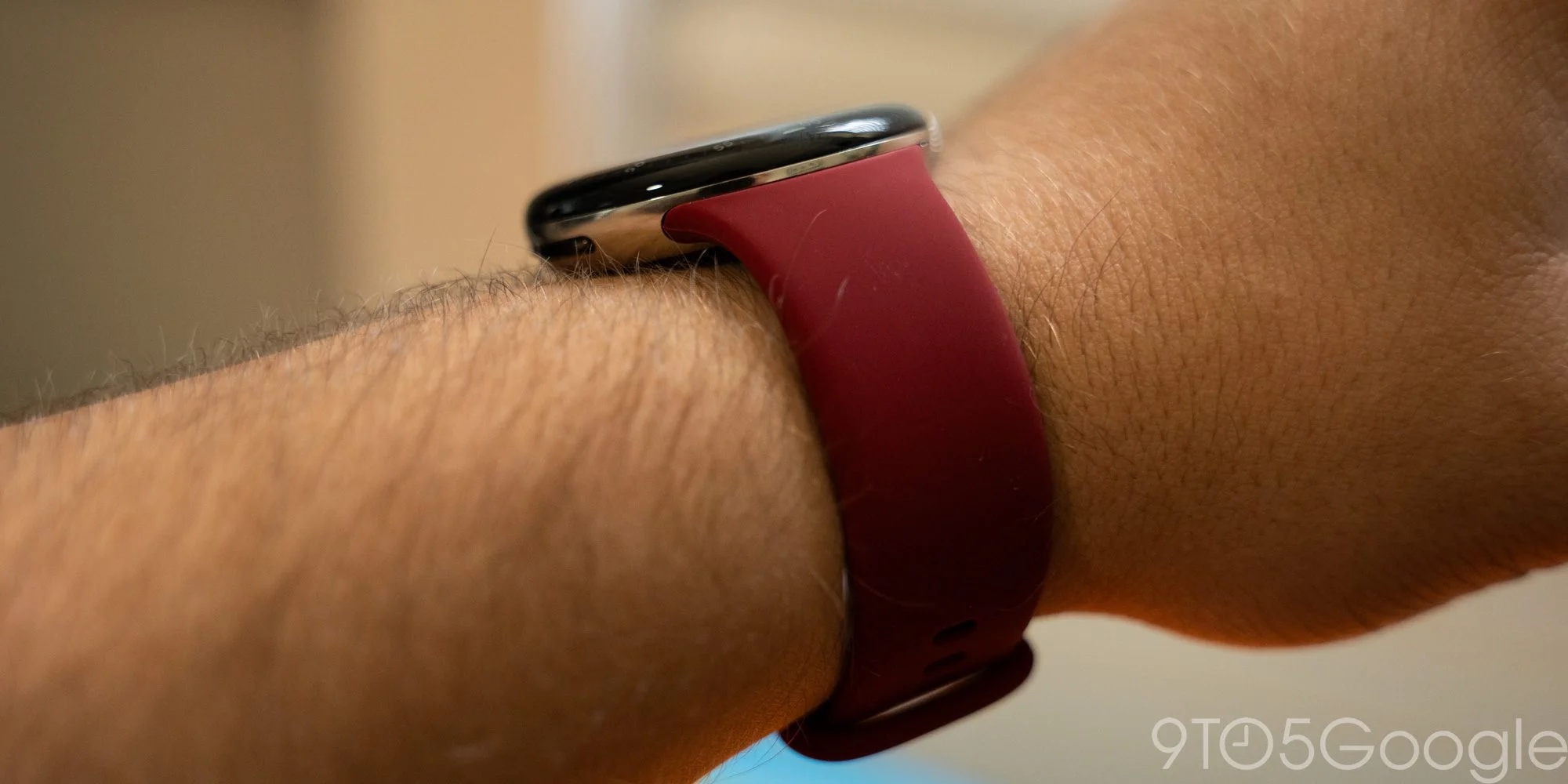
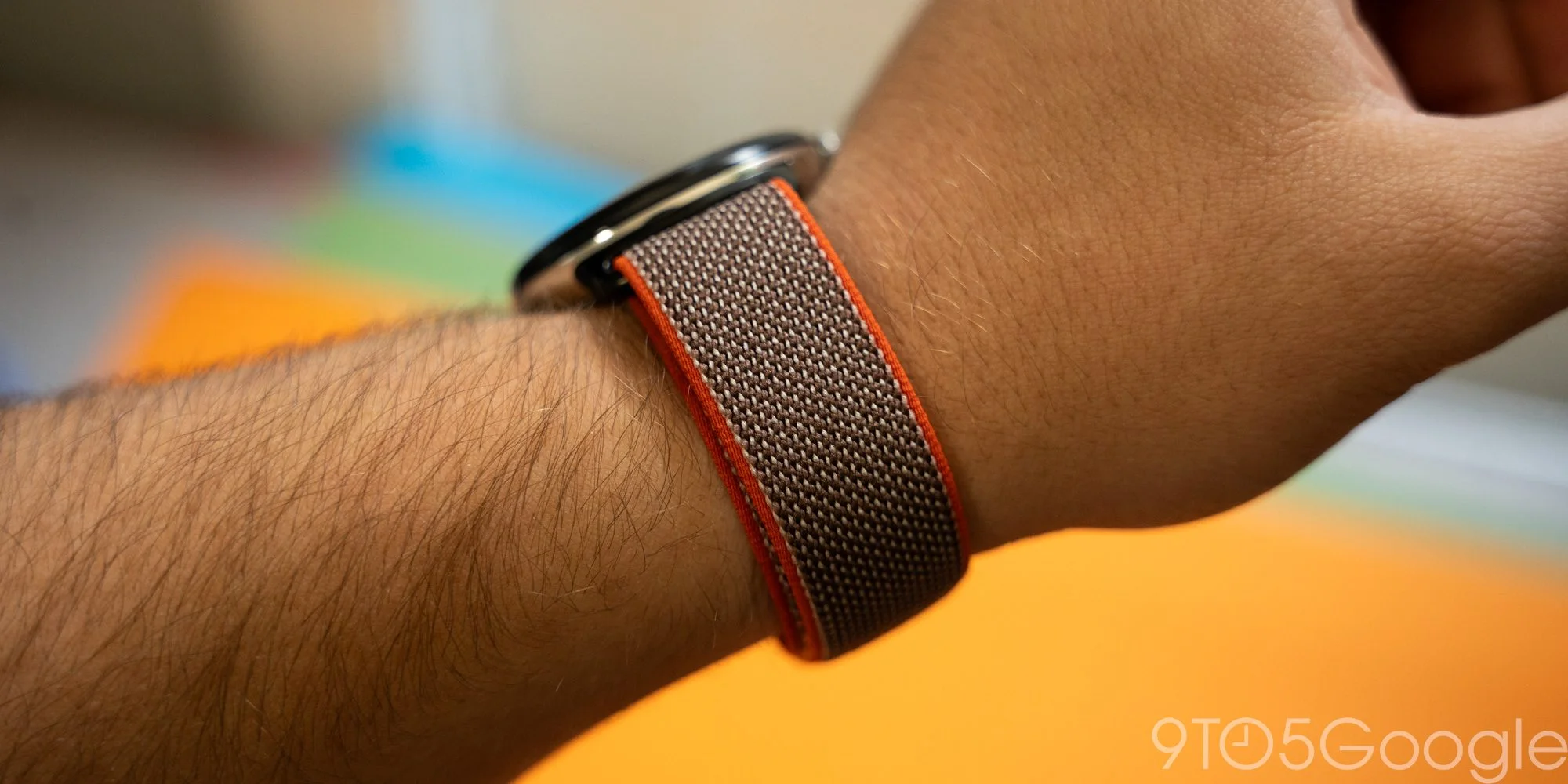
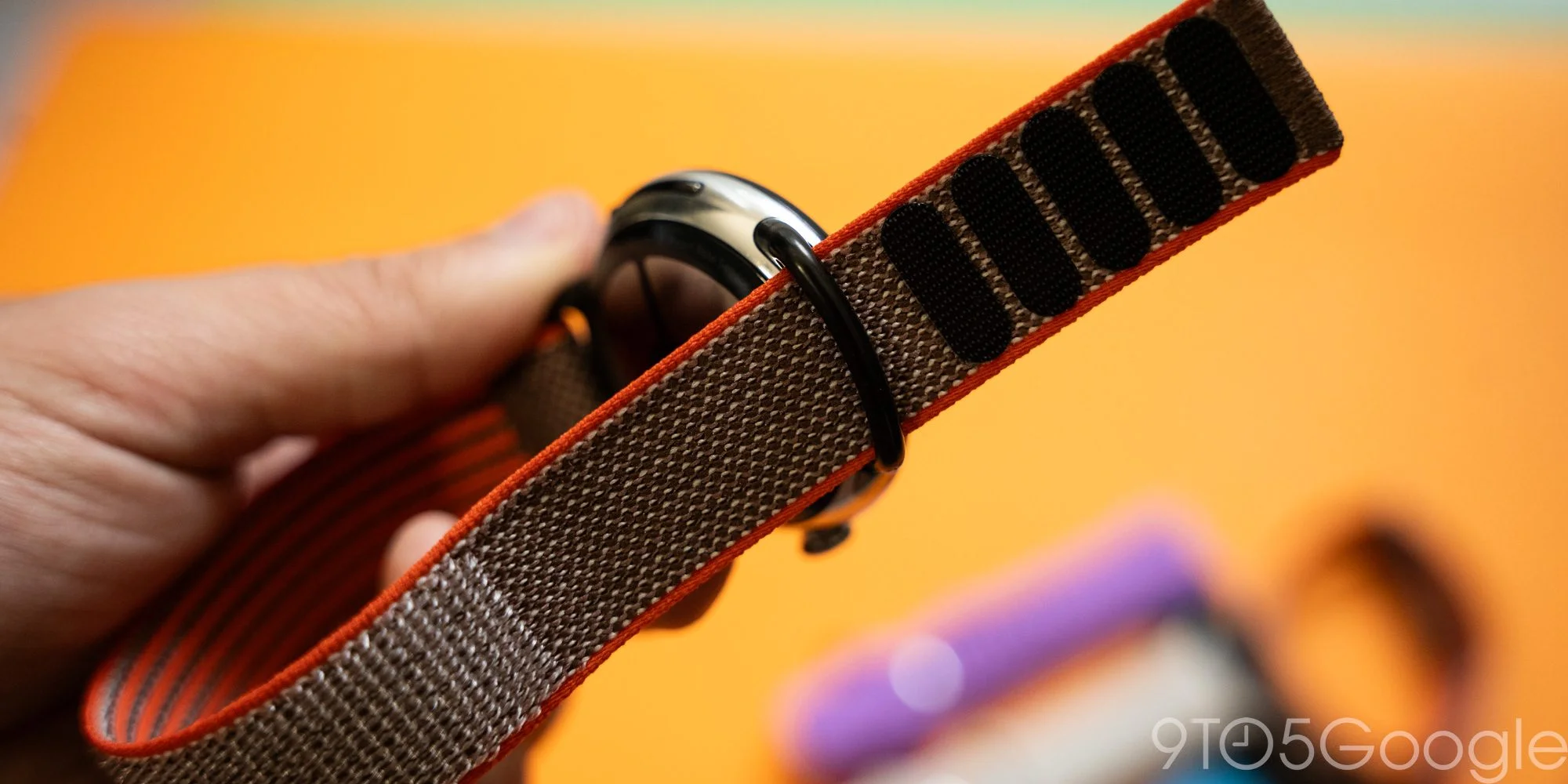
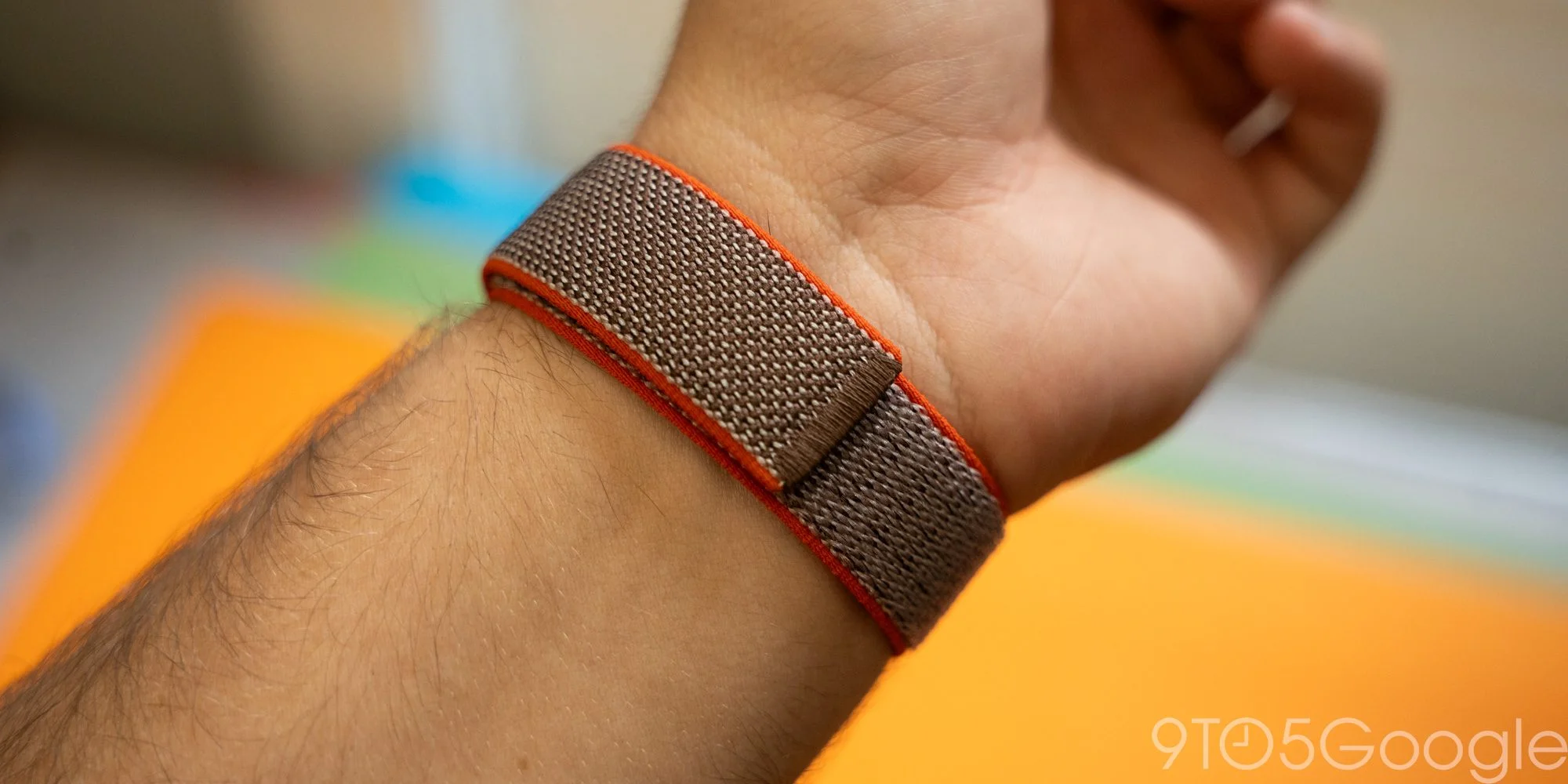
The sizing falls between Google’s small and large options, and the connectors fit the Pixel Watch 5’s attachment mechanism cleanly. That matters more than a close color match: a band needs to sit securely and attach without awkward gaps before its styling becomes relevant. The resemblance is close enough that, without a comparison, I might mistake one for an official Google band. Put the two side by side, though, and the material difference is easier to consider. A convincing copy can reproduce the broad design while still making small compromises in texture or finish.
The six-pack’s appeal goes beyond the price. It includes colors Google doesn’t offer, which is why I first looked for it: I wanted purple. A deep red band in the set turned out to be an unexpected favorite. Color choice sounds like a minor detail until you’re trying to make a watch feel less like the same device every day; a multipack lets you switch the look without treating each change as a separate purchase. Here’s the thing: those extra options may be more persuasive than a marginal difference in materials for buyers who mainly want variety.
Fitbit Air alternatives are just as convincing
The Fitbit Air’s third-party selection is strong too. I bought the Stephen Curry edition, but no longer use its official band. A $9 Amazon replacement feels and looks nearly identical, down to the details. It lacks the Curry badge, though it keeps the small raised section where the wordmark would sit. That omission is a reminder that a close match isn’t the same thing as a full replica: the replacement borrows the shape and feel while leaving out the edition’s most obvious identifying mark. For someone who chose the original for its branding, that could be a dealbreaker; for someone focused on fit, it may barely register.
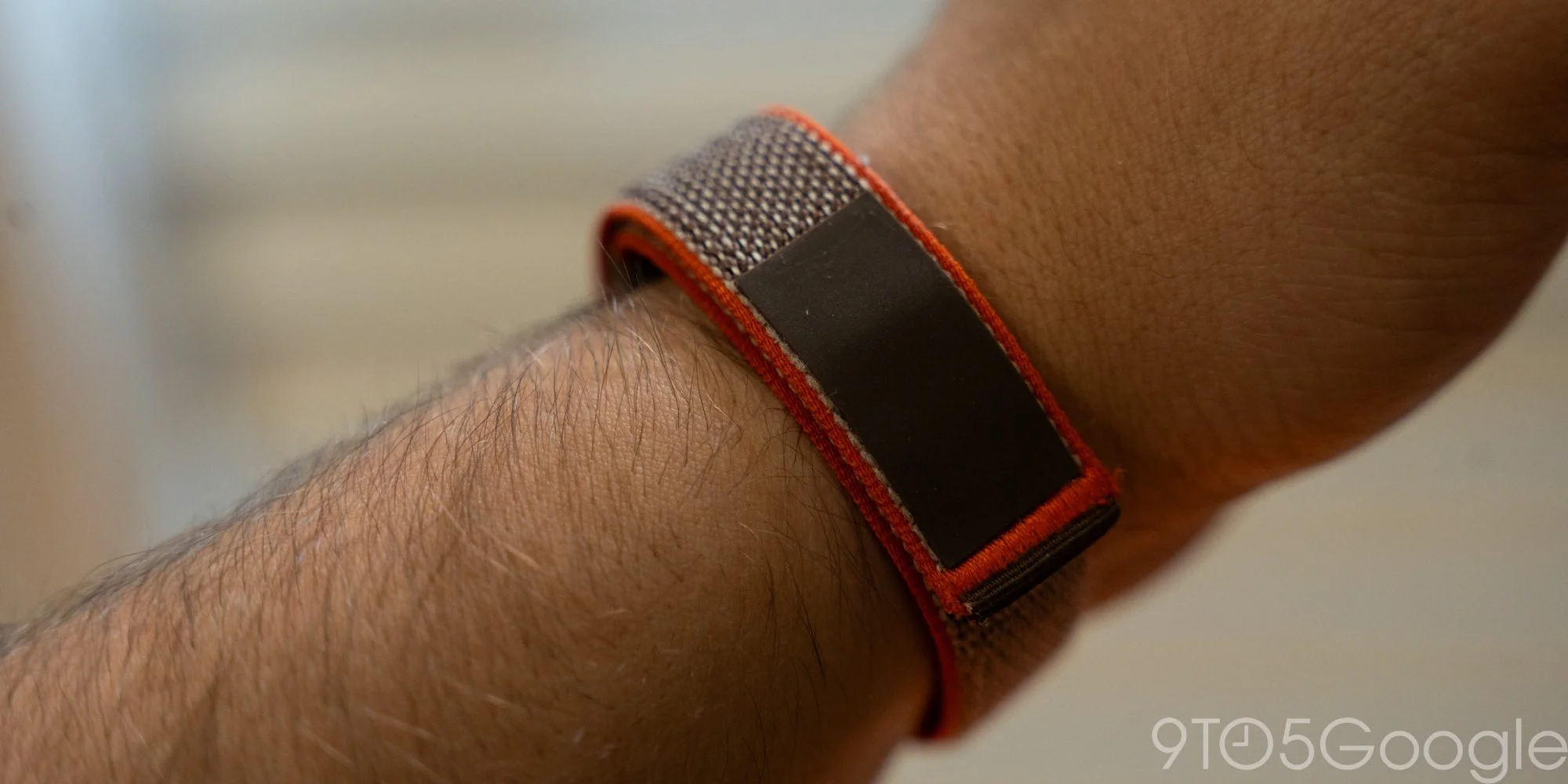
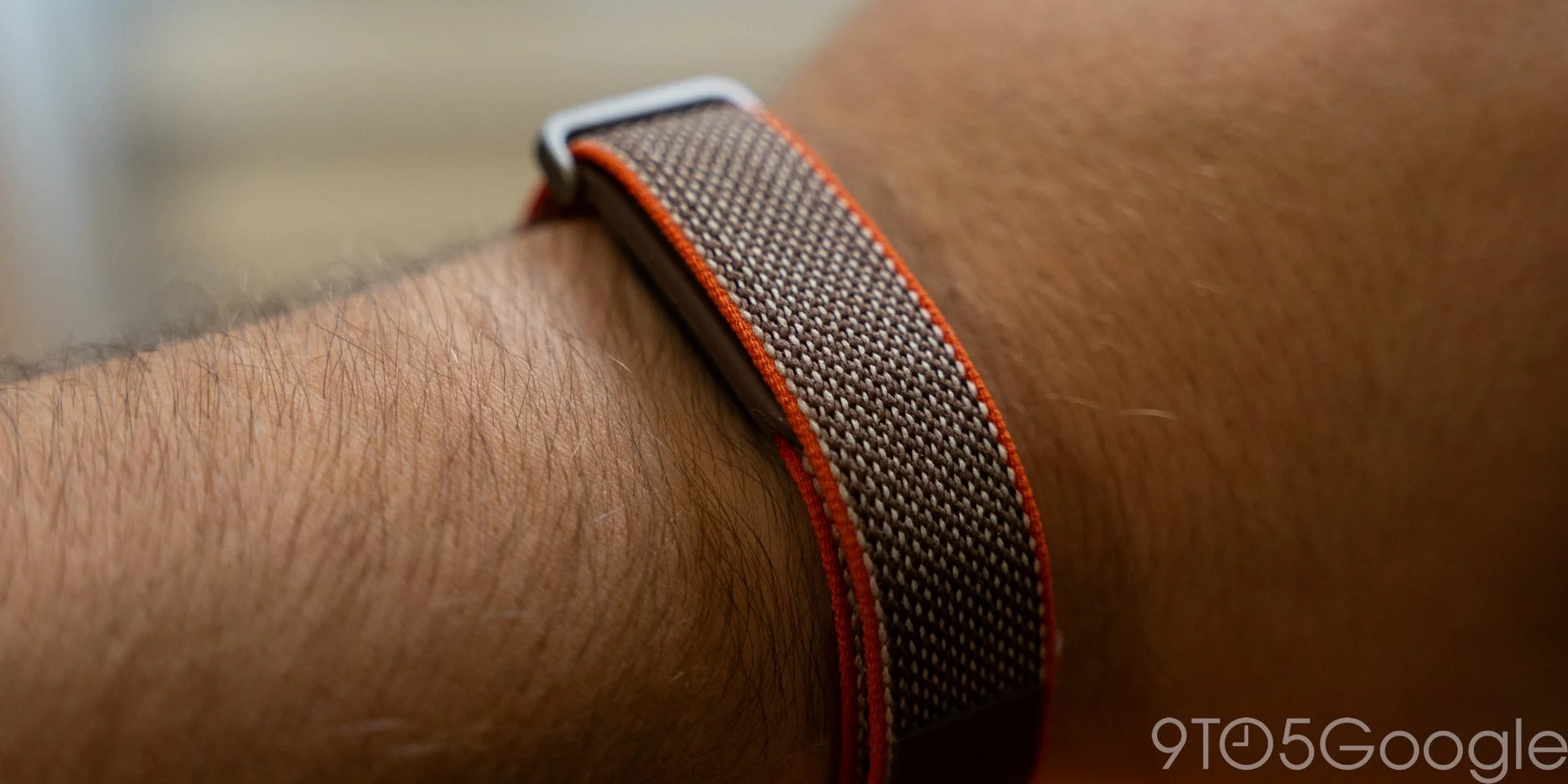
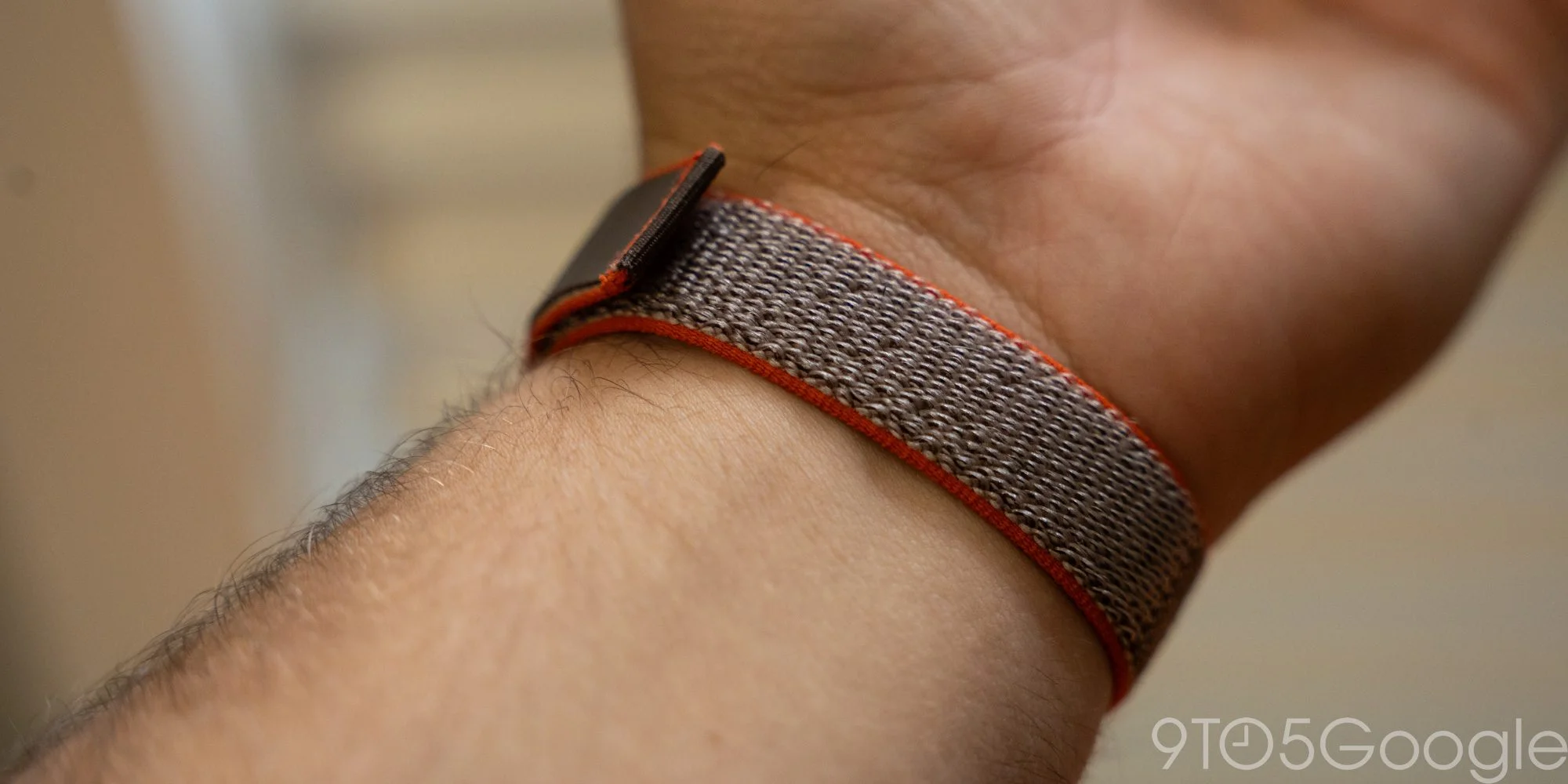
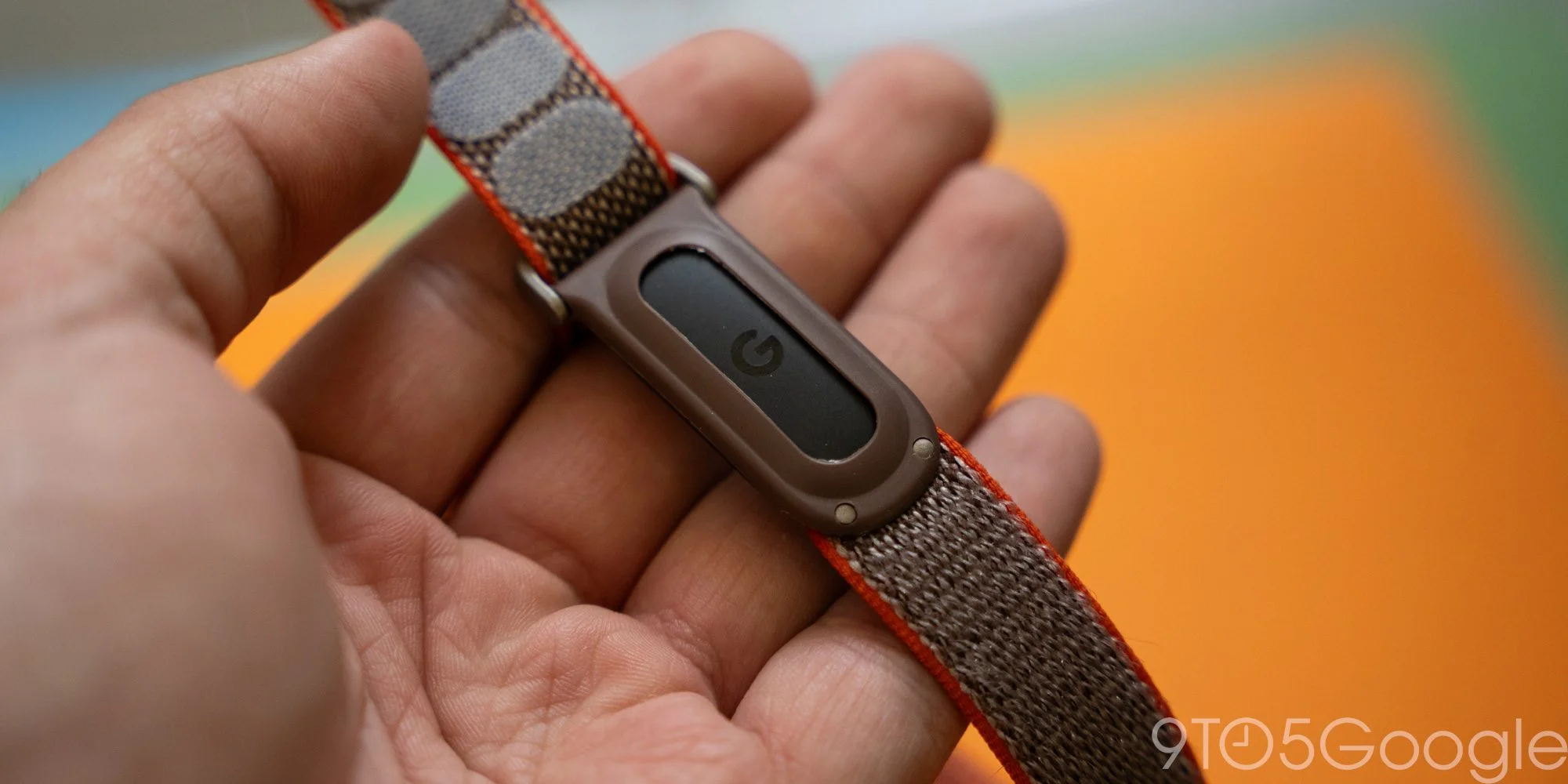
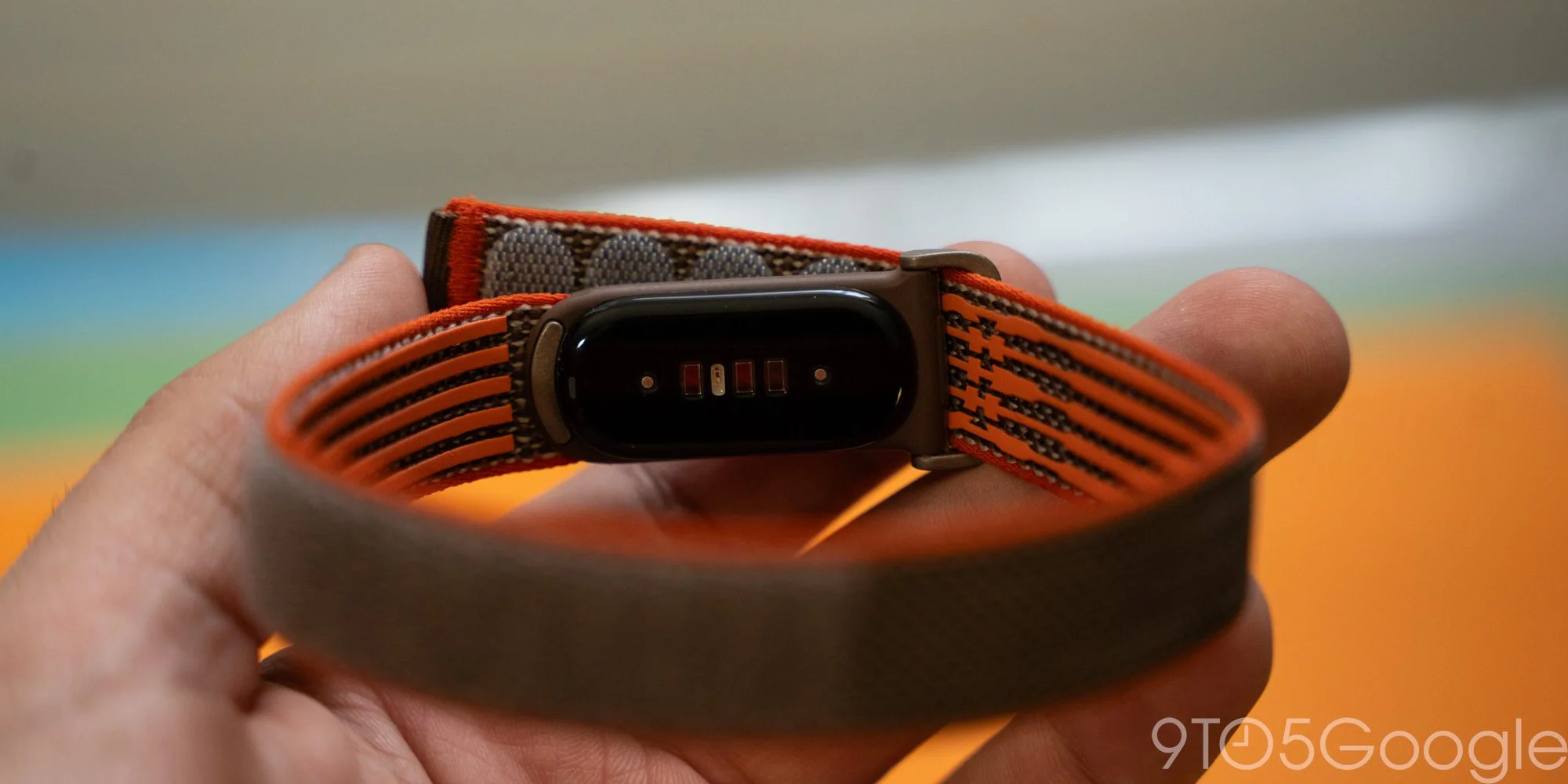
I also bought a matching band for the Pixel Watch 5, even though Google doesn’t sell that design separately. It comes close to the official version I handled in August. The copy omits the space for the Curry badge, and its watch lugs are less polished, but those are modest compromises at this price. Those details are useful clues for buyers comparing photos: a band can echo a special edition’s overall style without reproducing every feature that made the official one distinctive. And yet, when worn on the device, the practical difference may be less striking than the side-by-side comparison suggests.
These similarities don’t establish that the bands come from Google’s supply chain. Straightforward accessories are relatively easy to reproduce, and generic makers can deliver a close match without sharing a source. Similar shape and color are evidence of a close design, not proof of who made the product or how it was produced. (And this is the part most people overlook.) For a buyer, the useful test is the item in hand: whether it fits, feels comfortable, and suits the intended use. The source matters less to that immediate decision than the band’s actual quality, though it can’t be inferred from appearance alone.
Price and choice shift the buying decision
Google’s official bands still have a case, especially when a particular color is hard to match elsewhere. But affordable third-party options now make it easy to refresh either device without paying Google’s prices. Fitbit Air has an added advantage: Google made its mounting design freely available, giving accessory makers a clear route to build compatible bands. That openness helps explain why the choice is broader, while the Pixel Watch examples show that third-party makers can also produce close-fitting accessories for a less straightforward design. For buyers, it means compatibility and appearance are increasingly separate questions: one tells you whether the band fits, the other whether you like how it looks.
For everyday wear, the gap between official and third-party bands has narrowed sharply. The numbers here are underwhelming for the brand premium: a $10 set or a $9 replacement can offer a convincing alternative, though the price alone can’t tell you how the material will hold up over time. My read is that buyers can now prioritize fit, color, and price—and reserve Google’s options for the finishes only Google offers. That’s a meaningful change in a category where the logo once did much of the work of reassuring shoppers. A close match. Still, check the connector and the details before buying.
What the accessory market signals
This is more significant than it looks. Watch bands are simple products, but they’re also a visible part of how people personalize a device they wear every day. When third-party makers can match the fit and basic feel at a lower price, the manufacturer’s advantage shifts toward exclusive colors, branded editions, and confidence in the original materials. That doesn’t make official accessories irrelevant; it raises the bar for what they need to offer beyond compatibility.
If you’re working in this space, the lesson is that buyers can now compare accessories on more than price and logo. Easy access to a mounting design can encourage a wider range of compatible products, while close copies of other designs show that accessory makers can compete through appearance too. The remaining gap is in the small things: material, finish, special edition details, and how a band feels in regular use. Those distinctions are harder to judge from a product listing than from a hands-on comparison, so a familiar silhouette shouldn’t be treated as a guarantee of an identical experience.
That said, the current choices already change what a buyer can reasonably expect. You don’t have to accept a narrow color range or pay more simply because a band carries Google’s name. The tradeoff is straightforward: official options may offer a finish or badge that generic alternatives leave out, while third-party sets make variety cheaper. The best choice depends on which difference you’ll notice after the watch is on your wrist.