Meta Ray-Ban Audio Glasses Review: Camera-Free AI and Longer Battery Life

Meta’s camera-free glasses make a clear trade: they keep the audio and AI features while removing the part of smart glasses that draws the most privacy concerns. That’s a meaningful distinction, but at $349, the missing camera doesn’t come with enough standout features to make these an easy recommendation.
A camera-free option in a turbulent year
Meta’s wearables business has had a choppy year. Its VR division contracted considerably, even as the company announced a substantially redesigned headset due next year. Smart glasses have been a brighter spot: Meta introduced dozens of new styles, and sales have been strong. Yet the category remains dogged by public controversy. Meta can’t seem to shake the camera debate, which helps explain the appeal of Ray-Ban Meta Audio.
These glasses retain Meta AI and the audio features found in the Ray-Ban Meta line, but have no cameras at all. The idea is straightforward: offer a smart-glasses experience without the most obvious source of privacy anxiety. Whether removing the cameras will settle those concerns is unclear. For buyers who specifically want Meta’s AI glasses without a camera, though, these are currently the only Meta models that fit.
There are practical advantages beyond privacy. The prescription range runs from -12 to +6, compared with the -6 to +6 ceiling common on other Meta smart-glasses models. Battery life is also significantly better, thanks to the camera-free design and other hardware changes. If your prescription falls outside the usual range, that could matter more than the missing camera.
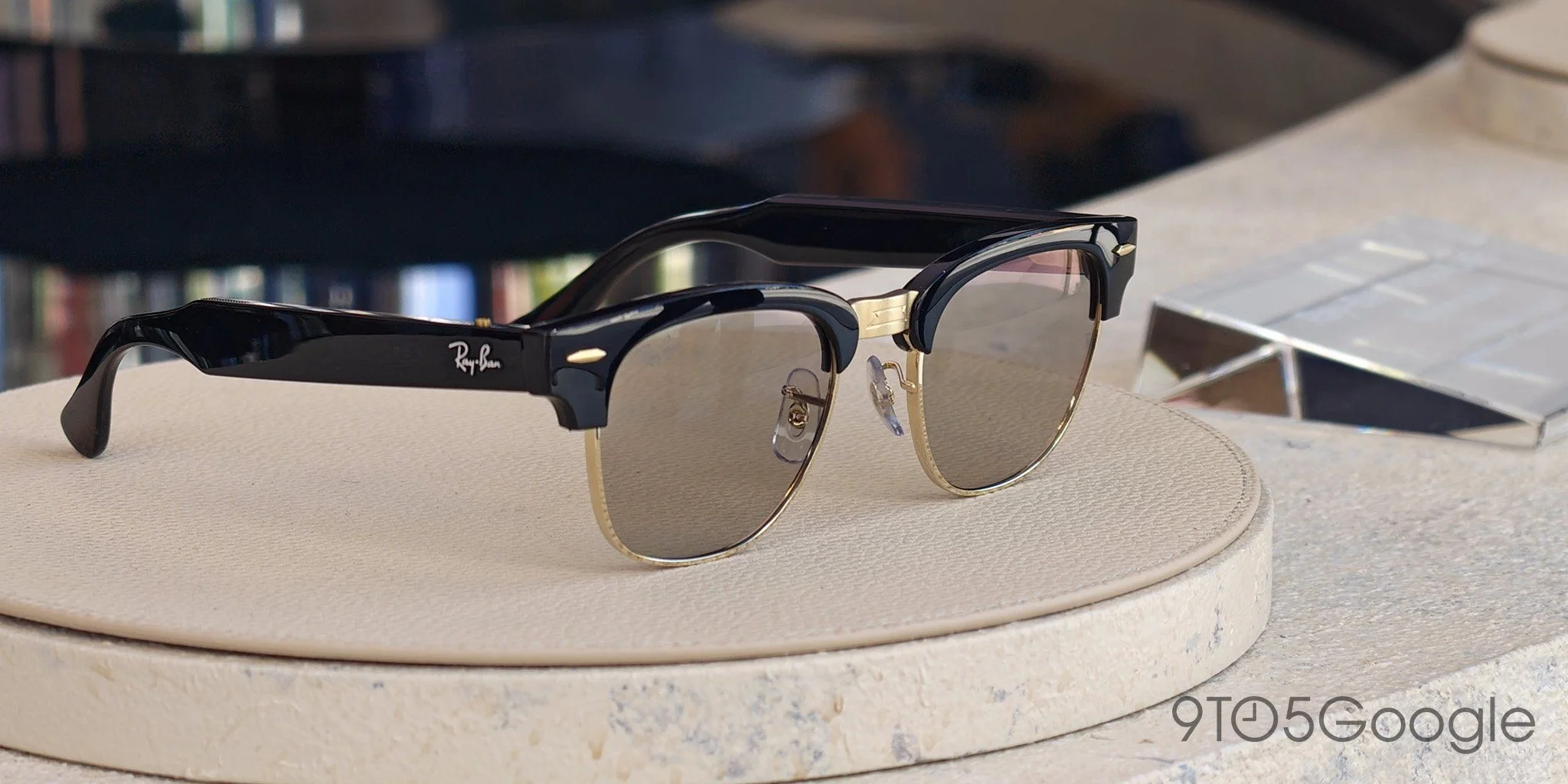
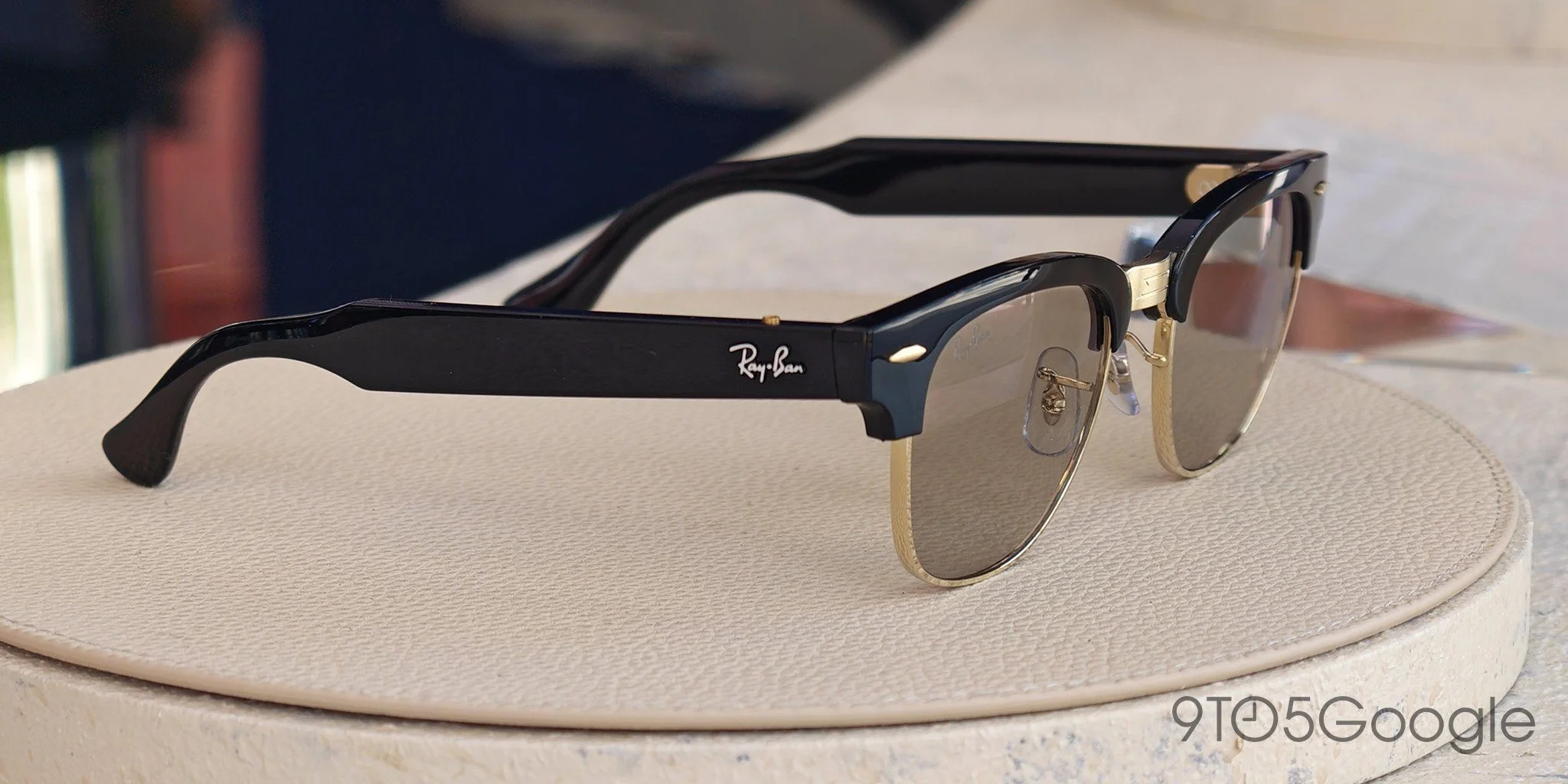
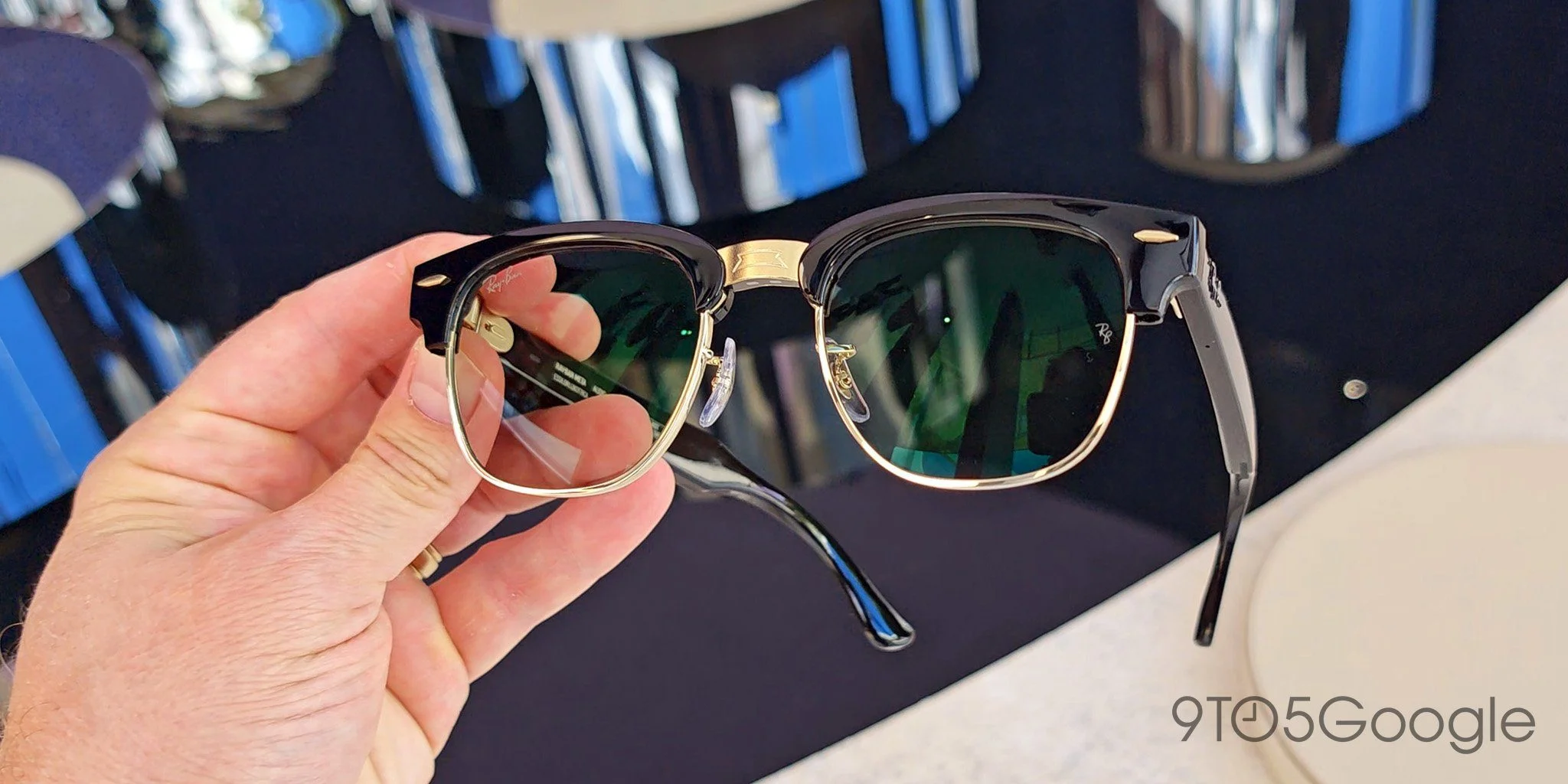
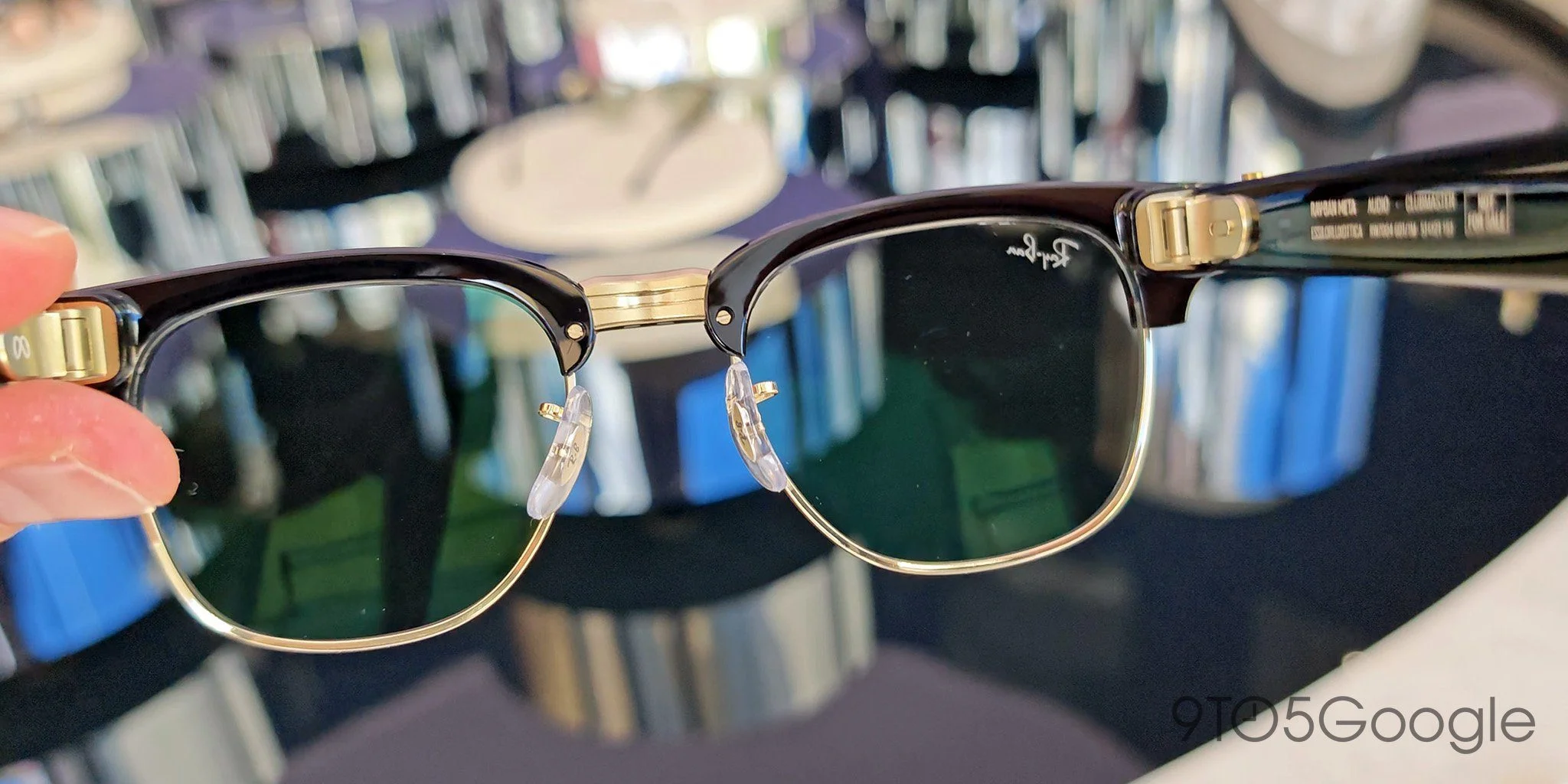



Two frames, with different fits
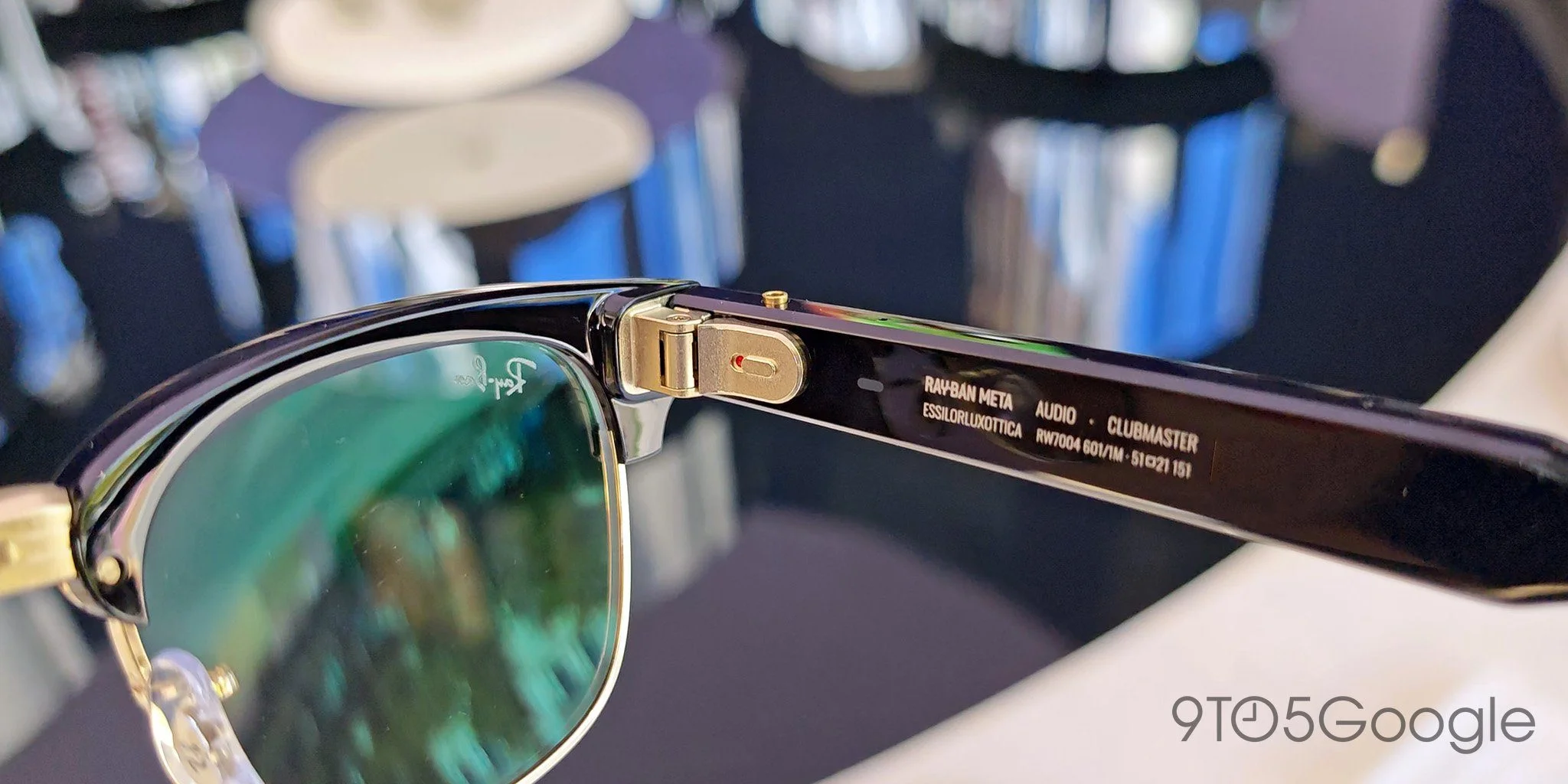
Between the Clubmaster and Burbank, I’d choose the Clubmaster. Its frame is the thinnest in Meta’s smart-glasses range, and its adjustable, replaceable nosepads make for a more considered fit. Those details count when you’re wearing electronics on your face for hours.
The Burbank looks perfectly acceptable, but its nosepads differ and the frame feels stiffer to me, which makes it less comfortable. Both designs come in a range of colors and lens types: clear, tinted, polarized, Transitions, and prescription.
Controls with limited reach
On either pair, a touch surface sits on the outside of the right temple, with a small button on top to call up Meta AI. You can also say “Hey, Meta,” and disable the button or touch controls if you prefer. The touchpad’s only alternate use is controlling music playback through Spotify or Amazon Music. That’s a narrow set of options, especially beside what other Meta glasses can do.
Lightweight hardware, with one obvious gap
At 44 grams, Ray-Ban Meta Audio glasses are Meta’s lightest smart glasses so far. Most of the company’s camera-equipped models weigh about 54 grams. That’s still heavier than the Even Realities G2, RayNeo iO and MemoMind One, but 44 grams is light enough to make these feel like ordinary eyewear. [Image gallery: Ray-Ban Meta Audio glasses]( /articles/9550/U3VIVgnmcrYysGQJucSi4r5Dh634OyGh.webp ) The case is borrowed from Ray-Ban Meta Gen 2. It has the familiar shape of a conventional Ray-Ban case, unlike the folding case bundled with Meta Ray-Ban Display and the 2026 Meta Camera Glasses. The standard case is perfectly usable; the folding design is simply more appealing, and its absence feels like a small downgrade. [Image gallery: Ray-Ban Meta Audio glasses]( /articles/9550/lI5WaDCyecwZVuBVvDnt1co39p0gVAkg.webp ) [Image gallery: Ray-Ban Meta Audio glasses]( /articles/9550/IOnEcudigWzmhlnO647NEw0IjJevAK5F.webp ) [Image gallery: Ray-Ban Meta Audio glasses]( /articles/9550/adImYZWtKP2rL9Jvkkytnn2iEr6JCrKD.webp ) [Image gallery: Ray-Ban Meta Audio glasses]( /articles/9550/eSC4Ja4gJwYyjdhDI7SGYPtj8pgQAHFc.webp ) [Image gallery: Ray-Ban Meta Audio glasses]( /articles/9550/wJfU18NkJUZWmI8bod6tc2SQUX1szIvn.webp ) [Image gallery: Ray-Ban Meta Audio glasses]( /articles/9550/8IgQVlPGL0EfuTKRzBuxqg1mjZfWYCw1.webp ) The audio is the stronger part of the package. The speakers match those in Meta’s other glasses, but watching a surround-sound movie through them creates a convincing spatial effect. The glasses also record spatial audio, and their six-microphone setup delivers excellent noise cancellation. For an audio-first product, those are meaningful strengths. [Image gallery: Ray-Ban Meta Audio glasses]( /articles/9550/dgRkTuvMYiiuKIvg1xQ3XEmsxHdV1Yav.webp ) [Image gallery: Ray-Ban Meta Audio glasses]( /articles/9550/cPBvdbedRUX0zvg6iJ14guLyFm9Xpx8i.webp ) [Image gallery: Ray-Ban Meta Audio glasses]( /articles/9550/fz0ZuNtEqct7FjLYYZv05Kvk7qrvmNgP.webp ) [Image gallery: Ray-Ban Meta Audio glasses]( /articles/9550/Gwh0XZv8K7Ndr6SH0VpnXb2AsHoXuU9j.webp ) [Image gallery: Ray-Ban Meta Audio glasses]( /articles/9550/kklXZRkWpGDaAKeCFiT4slDgHYnulqnb.webp ) Here’s the frustrating omission: without the newer processor found in Ray-Ban Meta Gen 3, these glasses can’t run [Meta’s hearing aid feature](https://calhearing.com/meta-glasses-hearing-aid-feature-explained/). That’s a substantial miss for a product built around audio. Meta told me the feature isn’t available on Ray-Ban Meta Audio “for now,” leaving open the possibility of a software fix, but offering no firm promise. That uncertainty matters because the glasses feel light on features today. Meta has a strong record of adding capabilities to its smart glasses through updates, and its releases have often gained features that weren’t there at launch. The company may improve this model substantially over the coming year. If you’re considering a purchase, though, that’s a bet on Meta’s future software support, not a feature you can use now.Good hardware, with a bet on what comes next
The Ray-Ban Meta Audio glasses make the most sense if you’re buying into Meta’s software plans as much as the frames themselves. They already handle hands-free Meta AI features such as Muse, phone notifications, calls, and open-ear music playback. But the current feature set feels limited for a $349 pair. Meta’s track record of adding features could change that calculation; for now, you’re paying partly for the promise of future updates.
There are practical advantages here. The glasses weigh 10 grams less than standard Meta glasses, claim 50% longer battery life, and support a broad prescription range, from -12 to +6. Their speakers also deliver strong surround sound, and message and notification integration works well. The camera-free design may appeal to people who want Meta’s AI tools without wearing a camera. Still, the models don’t offer every feature, and the Burbank version’s nosepads are a weak point.
Ray-Ban Meta Audio glasses
Pros
- Wide prescription range (-12 to +6)
- Meta AI can be useful
- Strong integration with messages and other phone notifications
- Excellent surround sound from the speakers
Cons
- Some features are missing
- Expensive
- Burbank model has less comfortable nosepads


FTC: We use income earning auto affiliate links. More.