Android Gaming Expands With Console Ports and PC Emulation
Good morning. I’m marking Patrick Stewart’s reported loss with a rewatch of First Contact, my favorite Star Trek film, plus a long session with at least one excellent Star Trek podcast. I’m also going back to two 2000 favorites: Elite Force and Armada. The news of Stewart’s death makes for a sad excuse to revisit some very good Trek.
Inbox looks past the daily churn. Each Tuesday and Thursday, we collect the biggest 9to5Google stories from the past few days alongside a handful of notable reads from elsewhere. Subscribe here if you’d like it in your inbox.

Daniel Bader writes Inbox. Browse earlier editions, then read Ben Schoon’s Weekender column, published every Sunday.
⭐️ Starred
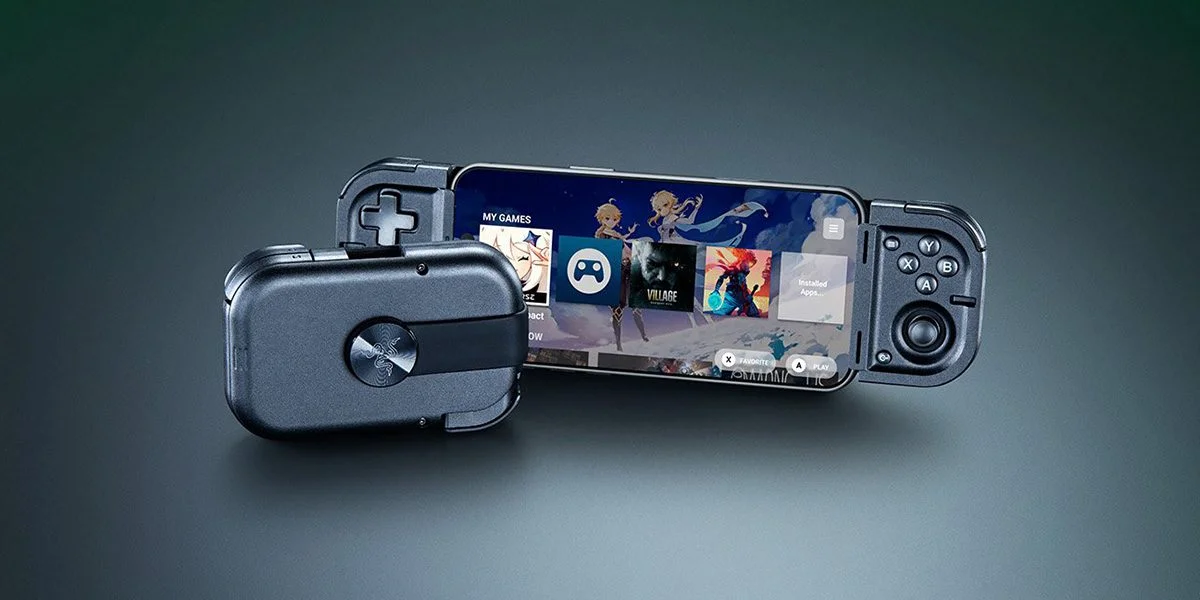
I meant to get this edition out earlier. Instead, research into Android gaming pulled me down a rabbit hole—and the detour points to a real shift. Android has always offered an awkward bargain for game makers: its openness encouraged indie development, experimentation, sideloading, access to the file system, and a deep emulation scene. But the same platform runs across a sprawling mix of devices and OS versions. That fragmentation has made ambitious ports harder to justify, and left some games stranded with bugs as time passed.
That old tradeoff is starting to look less decisive. Android gaming is in a strong moment, helped by better hardware and a wider range of devices, even as Google remains hesitant about paid games. Console successes such as Dredge and Sifu have official Android ports. Replaced, Absolum, and Dispatch are expected soon. There’s already a respectable catalog in Stardew Valley, Dead Cells, Balatro, Slay the Spire, and Vampire Crawlers.
Pricing and interface choices matter here. Many ports let players try a portion before buying, which may soften the resistance to paying upfront on mobile. Dispatch, meanwhile, is being adapted for portrait screens. These are practical adjustments to how people actually use phones, not just smaller versions of console releases.
Emulation is also moving quickly. In recent months, developers and players have made progress running Steam, Windows, and Switch libraries on Android, with AI coding tools helping accelerate community projects. WinNative draws on Winlator Bionic and Pluvia to run Windows games and connect PC storefront libraries. DroidDeck aims to bring a SteamOS-like setup to supported Android devices: Steam’s Big Picture interface, with Windows games running through ARM64 Proton, which recently debuted with the Steam Frame.
I spent a couple of hours playing Lumines Arise through DroidDeck on a Galaxy Z Fold 8. It fits the phone’s stop-and-start rhythm beautifully, though I’d want a controller for the best experience. Qualcomm’s latest chips have had more power than mobile games could demand for some time. The surprise is how well they can handle demanding PC and console games through compatibility layers such as Proton.
Switch emulation adds another wrinkle. An Android fork of nxnative—which compiles Switch and Switch 2 games for iOS and macOS—has made titles such as Super Mario Bros. Wonder and Metroid Dread playable at 60fps on many recent Qualcomm devices. A separate Switch 2 build for Android is also in development.
Here’s the thing: better compatibility doesn’t guarantee a better playing experience. Will users spend their evenings troubleshooting software instead of playing? And can publishers sell discounted AAA games on Android now that translation tools and device support have improved? The answers aren’t clear yet. But after nearly 20 years covering Android, I’ve learned not to underestimate a community that wants something badly enough.
✉️ Inbox
- Google Maps now highlights fall colors along your route
- Google Photos fixes a bug that hid edited pictures
- Google outlines new Chromecast with Google TV and Nest Wifi Pro firmware
- Google Home and Nest speakers get seven updates, including Bluetooth and audio improvements
- Android 17 QPR3 Beta 3 arrives with 26 Pixel fixes
- Reddit will soon require an account to browse
- iQOO’s new midrange phone outclasses last year’s flagships
- Gemini’s latest design feature reaches Android, and its app gains file generation
- A YouTube for Google TV update gives YouTube Music a distracting red logo
- Android 17 is on 1% of devices after four months; Android 16 is above 25%
- Motorola will launch its Signature 27 flagship next week
- Nothing OS 5.0, based on Android 17, rolls out to Nothing 4a and 3a phones
- Google says Android Auto video apps are still coming as a deadline approaches
- Apple Music 7.0 for Android rolls out with a Liquid Glass redesign
- Google’s 12th store opens November 6
- Google says Googlebook detachable devices are coming soon
- Wear OS is adding a system status bar to apps, with Wear OS 7.1 coming
- Gemini 4 Carbon trails Claude slightly in a benchmark but wins on value
- Google is rolling out gradient icons for Contacts, Messages, and Phone
- Google will let Android and iOS apps integrate Quick Share directly next year
- Google shuts down a malware backdoor affecting millions of Android TV and Google TV boxes
- AAWireless expands beyond Android Auto adapters with a cooled Qi2 car charger
- Meta Quest 2 and Quest Pro are nearing their final OS updates
This week in Samsung
- Samsung hints at Galaxy S27 plans and a larger foldable lineup
- Advanced sleep apnea detection is coming to Samsung Galaxy wearables
- Samsung Wallet adds a virtual cash-back card, separate from Galaxy Card
- Samsung releases a new foldable most people probably wouldn’t buy
- Could the Galaxy S27 Ultra and Pixel 12 signal the end of smartphone flagships?
- Samsung takes aim at iPhone Duo “crackgate” in Galaxy Z Fold 8 ads [Video]
- Samsung’s Android XR intelligent eyewear reportedly arrives in December
- A new leak makes the Galaxy S27 Pro and Ultra Privacy Display look more promising
- Some Samsung Galaxy phones have Android Auto problems on One UI 9
These Pixels are on sale
- Pixel 11, 11 Pro, and Fold hit record low prices ahead of Black Friday
- Google Store cuts prices on Pixel 11 and Pixel Watch 5 early
- Pixel Watch 5 matches its Amazon record low
ICYMI: Ben’s Weekender looks at how Motorola is mostly filling the space OnePlus left behind.
➡️ FWD:
The idea of a Starlink-branded US wireless carrier sounded odd when the rumor first surfaced. The reported plan is clearer now: Elon Musk wants to buy Boost Mobile from EchoStar, use its agreements with AT&T and T-Mobile, and add recently acquired low- and mid-band spectrum to Starlink’s existing low Earth orbit satellite network. The pitch is compelling on paper: combine ground networks and satellites, and dead zones could become much rarer.
But wireless service is a tough business, with low margins and customers who often leave. The track record gives plenty of reason for caution. It’s not clear why Musk thinks now is the right time to take it on.
Five years later, should we still think of the Pixel 6 series as a disaster? Damien Wilde’s retrospective argues for a more complicated verdict.
The Pixel 6 and Pixel 6 Pro were Google’s most ambitious hardware effort to that point, but their launch and early life made them some of the company’s most frustrating phones. The Pixel 5 had been a cautious step before a much bigger gamble; the Pixel 6 plunged into that gamble and stumbled. Still, the painful lessons helped produce the more polished, confident, and reliable Pixel phones people use today.
When hacked freezers become a food safety problem
Networked supermarket freezers in Sweden, Belgium, and Luxembourg were reportedly compromised over the weekend. Their temperatures climbed as high as 50 degrees Celsius, leaving the food inside to be discarded. That’s a stark reminder that attacks on connected retail equipment can create immediate, physical losses.
The incidents also echo a broader pattern. Reuters reports that hackers took control of cooling units at hundreds of French supermarkets the previous month; police said that attack caused fires and food losses. The available details don’t explain who was behind the incidents or how the systems were accessed. But the consequences are plain: when essential equipment is connected, a breach can reach well beyond a company’s computers.
Signature
Apple CEO John Ternus offered a blunt outlook on memory costs during the company’s Q4 2026 earnings call:
“What we’re seeing with memory pricing right now is unprecedented. As we said earlier in the September quarter, we did see higher memory costs as compared to the June quarter, which were partly offset by the benefit of carry-in inventory and lower costs on certain non-memory components. For the December quarter, we expect even higher memory costs…Looking beyond the December quarter, we see the pricing for memory purchases continuing to increase.”
The trend is clear in Ternus’s remarks: Apple expects memory costs to keep rising beyond December. How much that will affect its products isn’t specified, but the pressure is no longer confined to a single quarter.
Like what you read? Subscribe to Inbox for the newsletter every Tuesday and Thursday morning. Send feedback to newsletter@9to5g.com.
You can support 9to5Google by becoming a 9to5Google Pro member, starting at $5 per month. Membership includes bonus podcast episodes, access to a members-only Discord server, and more.
Thanks for reading. Have a great day, and I’ll talk to you on Thursday.
—Daniel