TechCrunch Founder Summit 2026: Practical Startup Lessons and Networking in Boston
The real value of a founder event often shows up between sessions: in the follow-up question, the candid peer conversation, or the introduction that changes a plan. That’s the logic behind TechCrunch Founder Summit 2026, which takes place tomorrow, November 4, at Boston’s SoWa Power Station. Its schedule mixes practical sessions with roundtables, live pitching, and structured networking, giving founders several ways to learn across one day.
TechCrunch Founder Summit 2026 brings founders and investors together for conversations about building and growing companies. Passes are currently offered with savings of up to $100 and a second pass free; register here. Groups can save up to 30% with bundle passes.
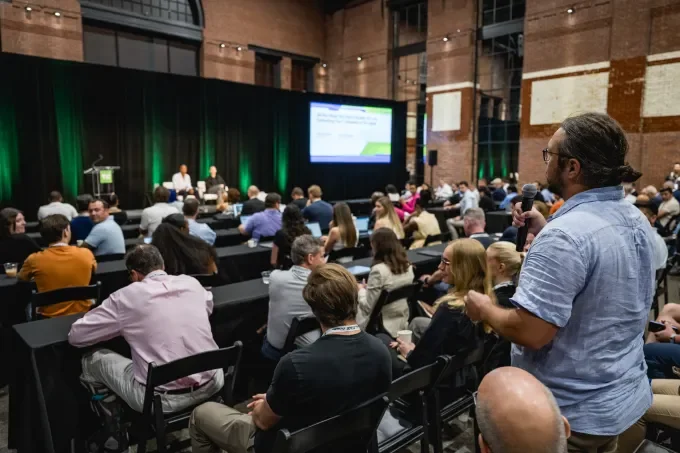
Practical lessons for the decisions founders face now
The Build Stage centers on the choices involved in shaping, testing, and growing a company: distribution, fundraising, hiring, and pitching. The emphasis is useful. Strong technology doesn’t automatically bring customers, and a founder’s next raise depends partly on understanding how the funding climate is changing.
Hunter Worland of NEA will discuss distribution as a potential competitive advantage for startups. Kristen Craft of Fidelity Private Shares will examine fundraising trends and what they mean for companies preparing to raise capital. Other sessions address building effective teams and making a company’s story clearer to investors, customers, and potential hires.
That story gets a direct test in a session led by Dave Balter of True Ventures and Edisyl: does your pitch give people a reason to keep talking? It’s a simple question with consequences well beyond fundraising. Founders also need to explain their company to customers and recruits.
The point of the Build Stage is immediacy: founders should leave with ideas they can put to work inside their companies.
Growth brings a different set of questions
Once a company starts gaining traction, the challenge changes. The Impact Stage turns to product-market fit, scaling, enterprise relationships, leadership, and long-term growth. These are questions with no universal timetable; the data founders have may not yet make the right move obvious.
Steve Fredette, president, co-founder, and director of Toast, will bring experience from one of Boston’s best-known startup success stories. Rudina Seseri, founder and managing partner at Glasswing Ventures, will address when to push for scale and when restraint may better protect a business.
Kent Bennett of Bessemer Venture Partners will focus on judging product-market fit before expanding. That distinction matters: early signs of demand don’t always justify the costs and complexity of a larger operation. Chase Garbarino, CEO and co-founder of HqO, will close the regional loop with the Boston Founder Playbook and a perspective on building ambitious companies beyond the Bay Area.
The Impact Stage’s strongest case is that founders need time to step out of daily execution and question whether they’re scaling the right parts of the business, at the right moment.
Roundtables put founders’ own problems on the table
A stage talk offers a point of view. Roundtables are designed for the follow-up: smaller discussions about specific problems founders are dealing with, from entering tough industries to earning enterprise trust, running lean teams, and reaching major customers.
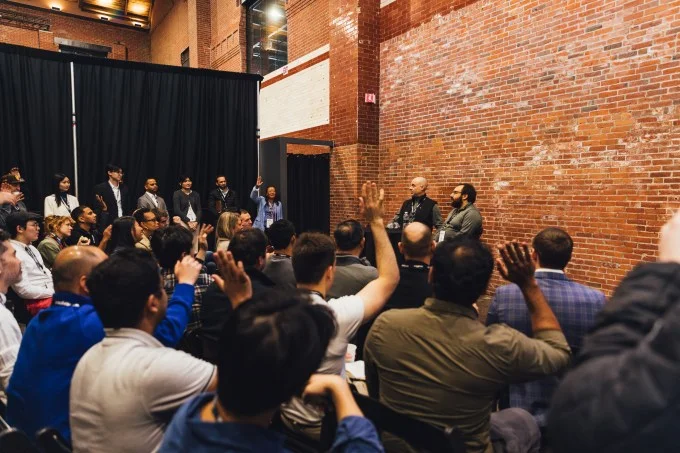
Chirag Shah of Define Ventures will discuss the difficulty of starting in a particularly challenging vertical. A session with Shishir Tewari of Procore Technologies will move past general AI claims to a concrete enterprise problem: reducing hallucinations by giving systems better context.
Other discussions take on enterprise sales before Series A, with Merve Kitapci of ADIN.AI; building a product for a market that has no settled name, with Andy Tang of Draper Associates; and how AI could change assumptions about team size and productivity, with Linden Tibbets of IFTTT.
Here’s what makes the format different: attendees can bring their own questions, compare experiences, and hear responses from people facing similar decisions. That can make the discussion more useful than a polished talk, particularly when the problem is specific to your company.
See pitch advice tested in real time
“So You Think You Can Pitch?” puts founders in front of investors, including Dave Balter, Chirag Shah, and Simran Suri of Maveron. The audience gets to watch what a pitch does in the room: where an investor leans in, where the story loses pace, and what questions surface first.
That’s a more concrete lesson than general advice about storytelling. If you’re preparing to raise money, sell a product, recruit a team, or explain your company to a partner, seeing those reactions can help you spot what your own story needs.
Make the conversations continue
The Networking Lounge, powered by Braindate, gives attendees a way to arrange one-to-one conversations or join small groups around a shared challenge. You can take a session on product-market fit into a conversation with another founder wrestling with the same question, or compare fundraising notes after watching the pitch competition. Braindate is intended to connect the day’s programming to people’s actual work.
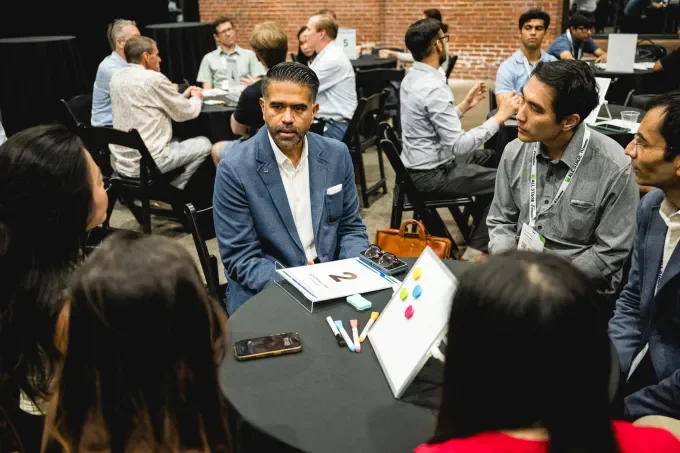
A closing reception presented by Fidelity Private Shares gives people time to pick up conversations before heading out. That may sound like a small part of the schedule, but connections often become useful after people have already shared a session or worked through a question together.
The event’s appeal rests on the range of formats: hands-on company-building lessons, broader growth questions, focused roundtables, a live pitch session, intentional networking, and time to talk afterward. For founders, the mix offers more than one way to find something relevant in a single day.
Bring someone who knows your business
TechCrunch Founder Summit 2026 is on November 4 at SoWa Power Station in Boston. Passes include breakout sessions, roundtables, Braindate networking, the Expo Hall, and access to session materials after the event.
Buy one pass and a second is currently free, making it possible to bring a co-founder, partner, or colleague who can help turn the day’s ideas into decisions. Get a pass and bring someone with you to Boston.