Birdbuddy Nook vs. Birdfy Rookie: Best Budget Smart Bird Feeder?
Birdbuddy Nook vs. Birdfy Rookie: Which Budget Smart Feeder Should You Buy?
Both the Birdbuddy Nook and Birdfy Rookie bring app-connected bird watching under $100—a price point that would have been hard to find for this kind of experience just a year or two ago. After four weeks testing each in my backyard, the Nook narrowly came out ahead. It costs $20 more and missed some bird visits, but its hardware feels more premium. That’s a meaningful edge for a device that lives outdoors.
Kat Merck | Gear | Nov 2, 2026, 9:00 AM
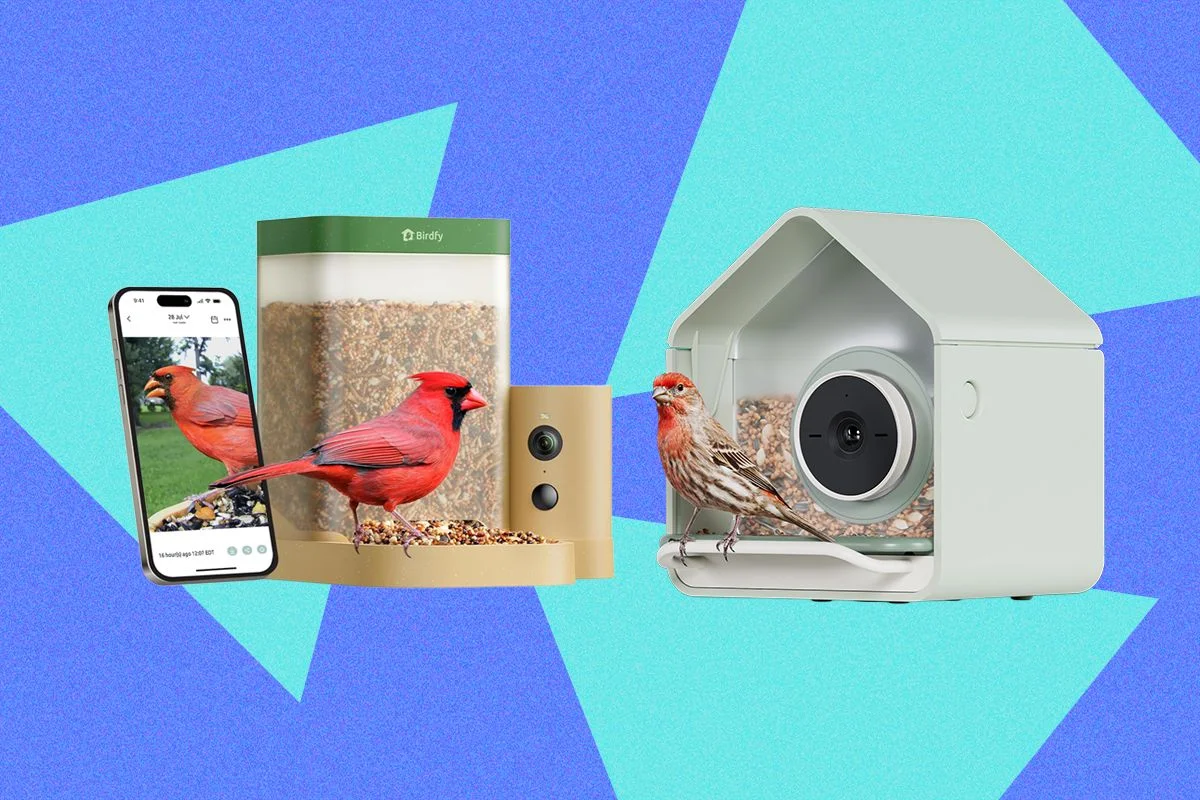
Courtesy of Birdbuddy; Amazon
Six years of smart bird feeders
Smart bird feeders have been around for six years. Birdbuddy helped kick off the category with a November 2020 Kickstarter campaign for what it called the world’s first app-connected, AI-powered smart bird feeder. Birdfy entered the market in 2021 with its first camera-equipped feeder. The two remain the most popular brands in the space, with product lines that now include smart bird baths and smart nesting boxes.
Here’s the thing: getting a premium feeder experience below $100 changes the value equation. I tested the Rookie and Nook for four weeks apiece, tracking what annoyed me, which features proved especially useful, and what worked without a subscription. Both have real strengths and drawbacks. The Nook’s lead is slight, and its missed visits matter—but its more polished hardware made it the better fit overall.
In this review
Birdfy Rookie
Birdfy Rookie: easy to set up, harder to trust outdoors
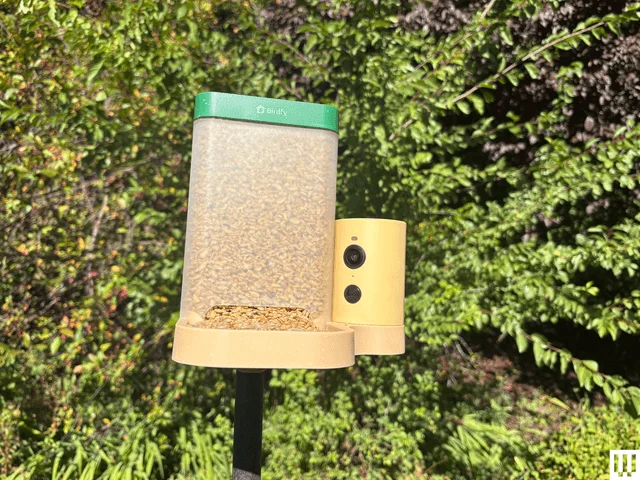
The Rookie’s appeal is straightforward: Birdfy has stripped the smart feeder down to a simple setup. Released in October last year as an entry-level model, it has a 1.3-liter seed capacity and a camera mounted on the side. Snap its three main pieces together, charge the camera over USB-C, and it’s ready. You can mount it on a pole or wall, but you can’t hang it. That simplicity comes with a few catches. The standard version has no solar panel; Birdfy sells a pricier solar model separately. And the lightweight design matters once the feeder is outside: there’s no roof to keep rain off the seed, and one strong gust blew the lid away. Battery life also fell well short of the advertised figure. The software is a stronger point. You get the same app as Birdfy’s more expensive feeders, including AI bird identification without a subscription. That’s a meaningful concession at this price. But if you’re choosing a feeder for an exposed spot, the weather and battery shortcomings may matter more than the easy assembly. The no-solar version is listed at $60 from Amazon, reduced from $80; the solar model is $80 from Birdfy, down from $140. Chewy lists the feeder at $90, reduced from $150.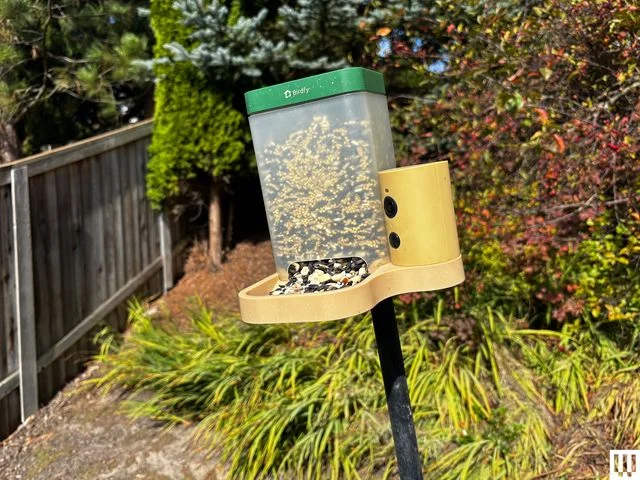
Photograph: Kat Merck
Photograph: Kat Merck
Birdfy Rookie: strong software, compromised hardware
The Rookie’s best feature is the one you interact with most: Birdfy’s app. It’s straightforward, makes daily visits easy to review, and can stream the feeder to a TV running Roku OS 15.1 or later. Since November 1, automatic AI bird identification has also been unlimited and subscription-free. In my test, the IDs were nearly always right. That’s a real advantage in a category where basic features often come with a recurring bill. Storage and recording time still have limits. The free plan includes 5 GB of storage and clips up to 20 seconds; Birdfy Plus costs $80 a year, while Birdfy Pro is $150 a year. The hardware is less convincing. During four weeks of testing, the 1080p camera produced softer images than the Nook. It caught every visiting bird, but also triggered plenty of false alerts. Its side-mounted position framed small birds well and kept the lens relatively clean, yet larger birds were often poorly captured. Weather protection has a practical flaw: although the feeder is IP66 rated, the roof has no overhang, so rain can reach the seed. The loose lid also blew off in strong gusts. And Birdfy’s seven-week battery estimate didn’t match my test unit, which lasted under two weeks. There’s one useful counterweight: capacity. The Rookie holds 1.3 liters, close to the original Birdfy feeder at 1.5 liters. Both are dwarfed by the 3.5-liter Bamboo feeder, a top pick in our Best Smart Bird Feeders guide. The Rookie’s appeal is clear: an easy app, capable bird identification, and a generous seed bin. But poor battery life and a lid and roof that struggle with ordinary weather undercut the convenience. If you’re choosing a feeder for dependable outdoor use, those day-to-day shortcomings deserve as much weight as the software.