Roli Instrument Owners Face Uncertain Software Support After Company Collapse
Roli’s collapse matters because its instruments depend on a software layer the company may no longer be able to maintain. The hardware still works, but owners are left wondering how long it will stay useful—and some customers say they’re still waiting for products or refunds they paid for months or even years ago.
Founded by Roland Lamb, Roli made expressive, touch-sensitive instruments including the Seaboard and Roli Blocks. The company has now collapsed into insolvency. It hasn’t publicly explained what comes next for customers.
Roli reportedly removed Lamb as CEO earlier this year, though the company hasn’t officially announced the move. In August, a new company called Instrumental Intelligence was registered with the UK government under Lamb’s name. That could be an effort by the founder to acquire Roli’s assets, but the available information doesn’t establish his plans.
Roli told users on Monday that two licensed insolvency practitioners had been appointed joint administrators on October 20. The company entered administration, the UK process for managing an insolvent business. It’s the second time Roli has gone bankrupt.

Customers are left waiting
For a small, devoted user base, the immediate problem is practical: people don’t know whether they’ll receive what they ordered or get their money back. Customers have voiced sadness, anger, and confusion across Facebook groups, the r/Roli subreddit, and other forums. Posts describe orders worth hundreds or thousands of dollars that remain unfulfilled, unanswered requests for help, and unsuccessful attempts to obtain updates, deliveries, responses, or refunds.
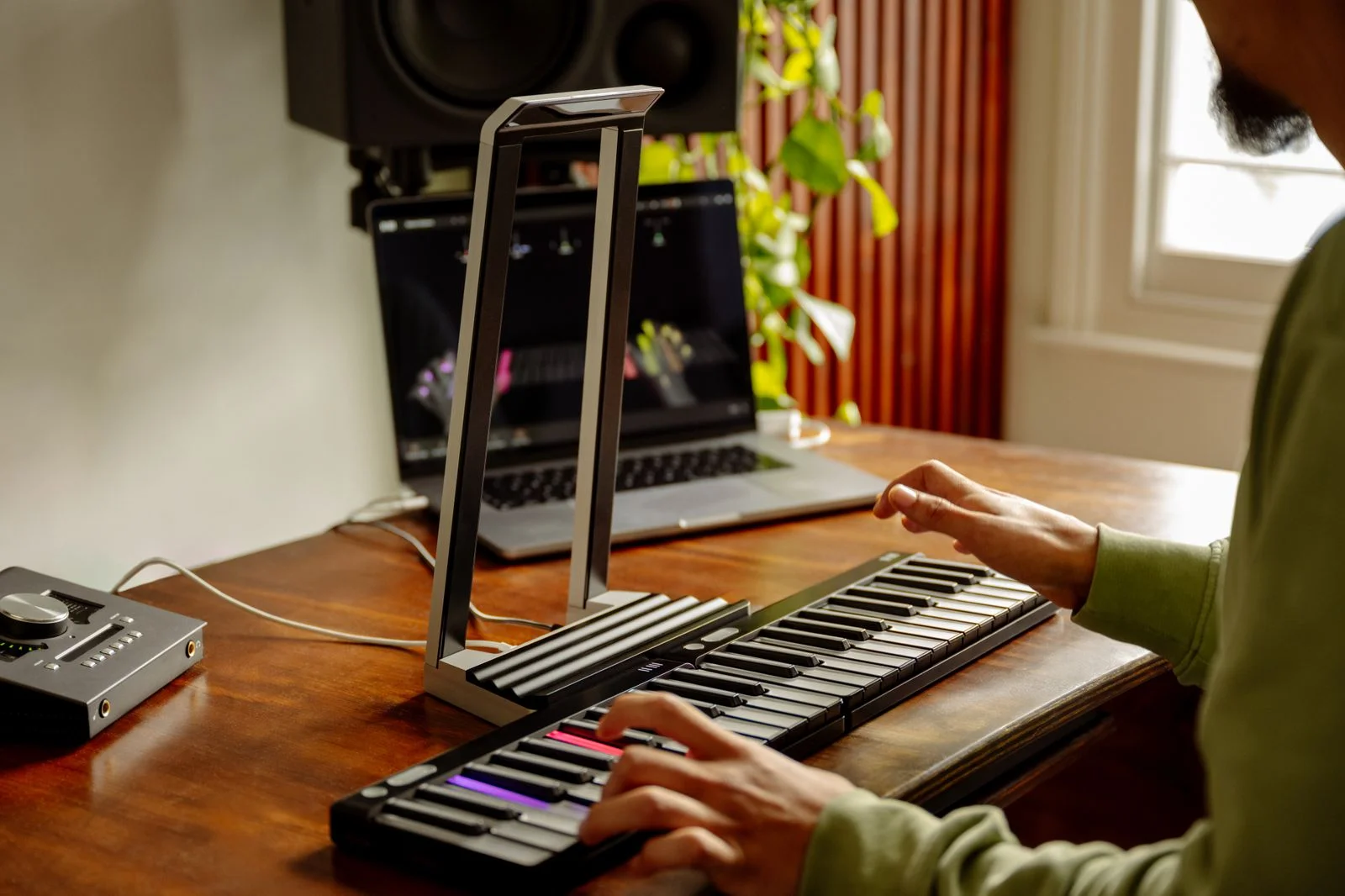
There’s a longer-term concern, too. Roli instruments rely on proprietary launchers and companion apps for connecting devices, mapping sounds, and changing settings. Owners say the hardware still functions, but without ongoing software support, they fear it could eventually become unusable. That risk is hard to assess from the information available; Roli hasn’t described what support, if any, customers can expect.
WIRED asked Roli and Lamb for comment, but neither responded. Roli’s main financial backers, investment firms TriplePoint Capital and Hoxton Ventures, also did not respond.
From breakout act to repeat insolvency
Roli’s rise had the kind of cultural signals that can make a niche instrument maker look destined for a wider audience. Founded in 2009, it gained momentum after musician Pharrell Williams invested in 2017 and Sony’s Innovation Fund invested the following year. Dream Theater keyboardist Jordan Rudess promoted its products, and Ryan Gosling’s character played a Seaboard Grand in the 2016 film La La Land. By the late 2010s, Roli and its technology were being hailed as a hit.
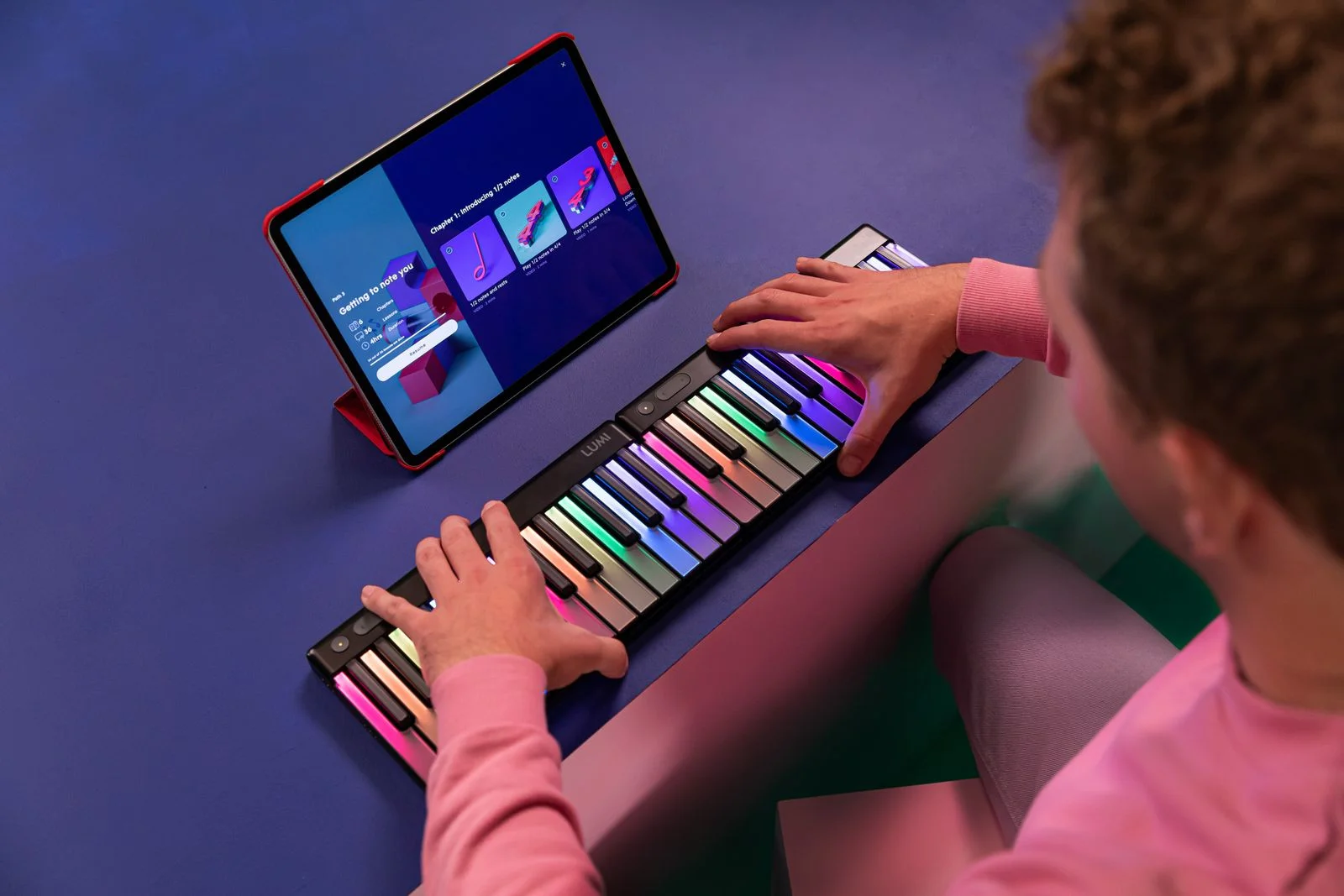
Then the finances turned. In 2020, the UK government’s taxpayer-funded Future Fund provided partial support during a Covid-19-related financial crisis. Roli still entered administration in 2021. It re-emerged as Luminary Roli, shifting its focus toward music-learning products such as the illuminated Lumi keyboard and Airwave, a digital theremin that also served as an AI piano teacher.
The company’s communication problems predated this latest collapse. Lumi buyers reported unexpected delays without clear explanations. Lluís Gerard, a longtime Roli reviewer on YouTube known as WasabiNoise, told WIRED: “One of the problems they have had ever since I started with the Kickstarter is communication and explaining things—telling people what's going on. There's always been too much secrecy about things, or then you'd realize, oh, there are these delays.”
| Got a tip? |
|---|
| Current or former Roli employees can contact reporter Boone Ashworth securely on Signal at boone.10, using a nonwork phone or computer. |
Pull Me Under
Roli’s collapse looks less like a failure of invention than a failure to balance invention with leadership and execution. Former employees told WIRED that the company revolved around founder Roland Lamb’s moods. Everyone who worked with him and spoke to WIRED compared him to Steve Jobs; one described Roli as a film in which Lamb was the lead and his colleagues were scenery.
“I love the company, love the culture, love the people—I didn’t love working for him,” one former employee said. “Everyone has their story with him. You're buckled into his car—and he’s not going in the right direction.”
In 2021, another former employee posted internal files to GitHub, including a 16-page PDF called “Keeping Roland Happy.” Its advice on dealing with a pathological narcissist echoed accounts from several former colleagues, who described Lamb as an arrogant visionary. One told WIRED: “Roland is the archetype of a pathological narcissist. Unfortunately, that's what he became. Incredibly brittle when challenged, absolutely shameless, quite reckless, incapable of learning or growth, would rather gamble than take any lessons from the previous experience. It was very disheartening to see.”
That tension—vision as both engine and liability—may be the clearest explanation for the company’s arc. “The tragedy here is that it was always fundamentally a great company,” another former employee said. “A lot of what made it great was the sort of all-powerful vision of the founder. But that was so obviously the critical flaw.”
Begin Again
Roli helped push touch-sensitive instruments into a more expressive corner of electronic music. Alongside the Linnstrument and the Sensel Morph, it was an early force behind MIDI polyphonic expression, or MPE. The standard lets a performer shape each note’s pitch and timbre with finger movement across a surface, translating gestures into more nuanced MIDI control.
The instruments were inventive, but their audience was narrow. Roli tried to widen it by selling Roli Blocks through Apple Stores. Then pandemic supply disruptions left the company unable to meet orders. After the pandemic, bankruptcy, and rebrand, the founder’s will was reportedly among the few forces still driving the business.
“This was one of the leading lights of music technology in the world,” a former employee said. “It was truly an inventing company—the stuff it made had never been made before. So it's a real shame.”
And yet the story hasn’t ended with the company. Roli owners have been trading fixes on Reddit after months of delays and frustration, trying to keep their instruments useful. Sam Hocking, a UK audio engineer who runs Demix.me and owns several Seaboard Blocks, had already been building software to run the devices as MIDI instruments before Roli went into administration. He shared his vibe-coded configuration tools on Reddit and GitHub; they let Roli Grand, Rise, Airwave, and Block devices work without the Roli launcher.
Hocking says his Seaboards are nearly a decade old and still work. The company’s communication was poor and its history uneven, but the instruments cost real money, feel difficult to replace, and remain worth keeping. Other owners have contributed tweaks and fixes, too. That community effort is small, but it makes the practical point plainly: hardware can outlast the company that made it, if users can keep the software alive.
“They're quite a unique product; there's not another keyboard type out there,” Hocking says. “Nobody likes to spend money and then not be able to use it.”