Vivo X500 Pro Review: Compact Flagship Performance, Flexible Software and Capable Cameras
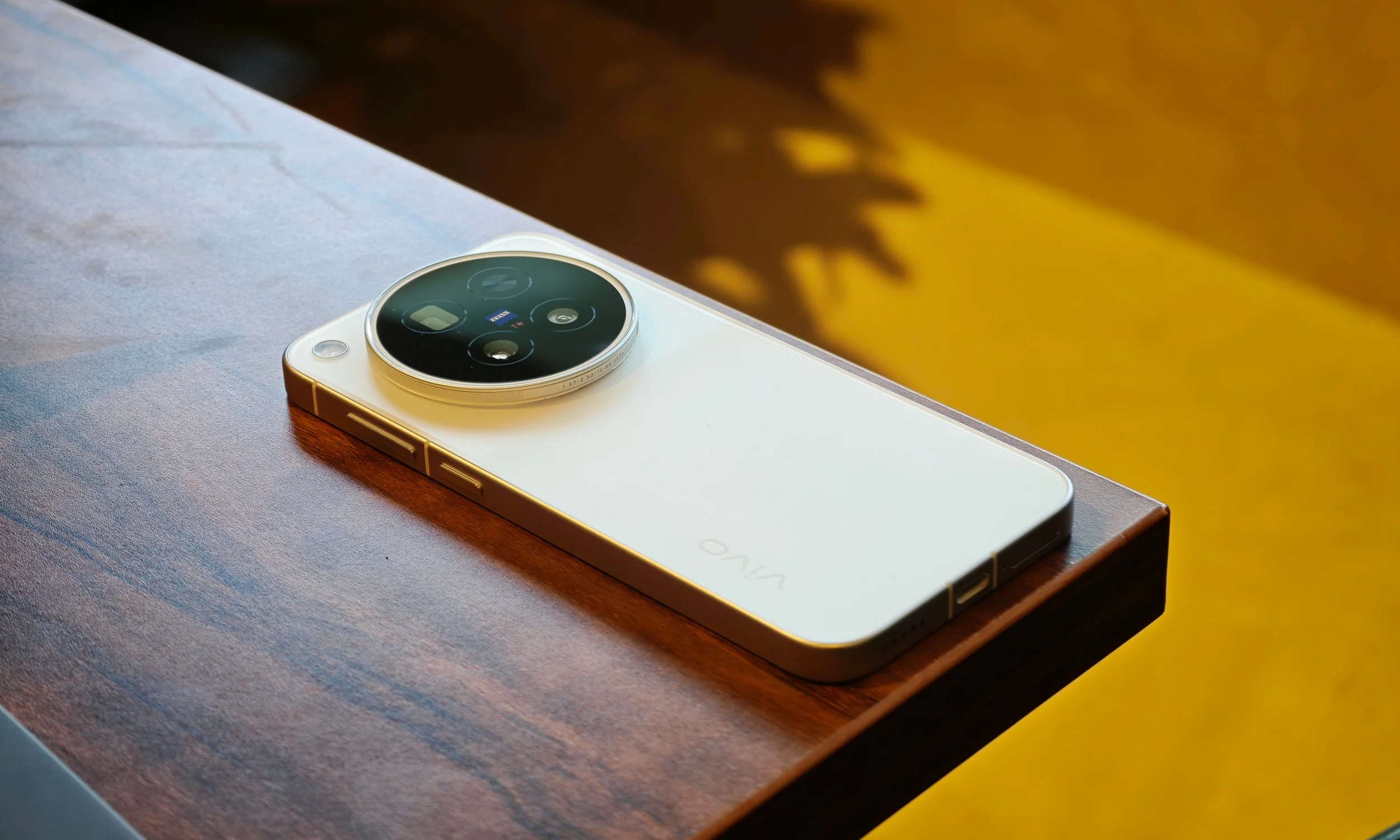
A compact flagship that feels carefully finished
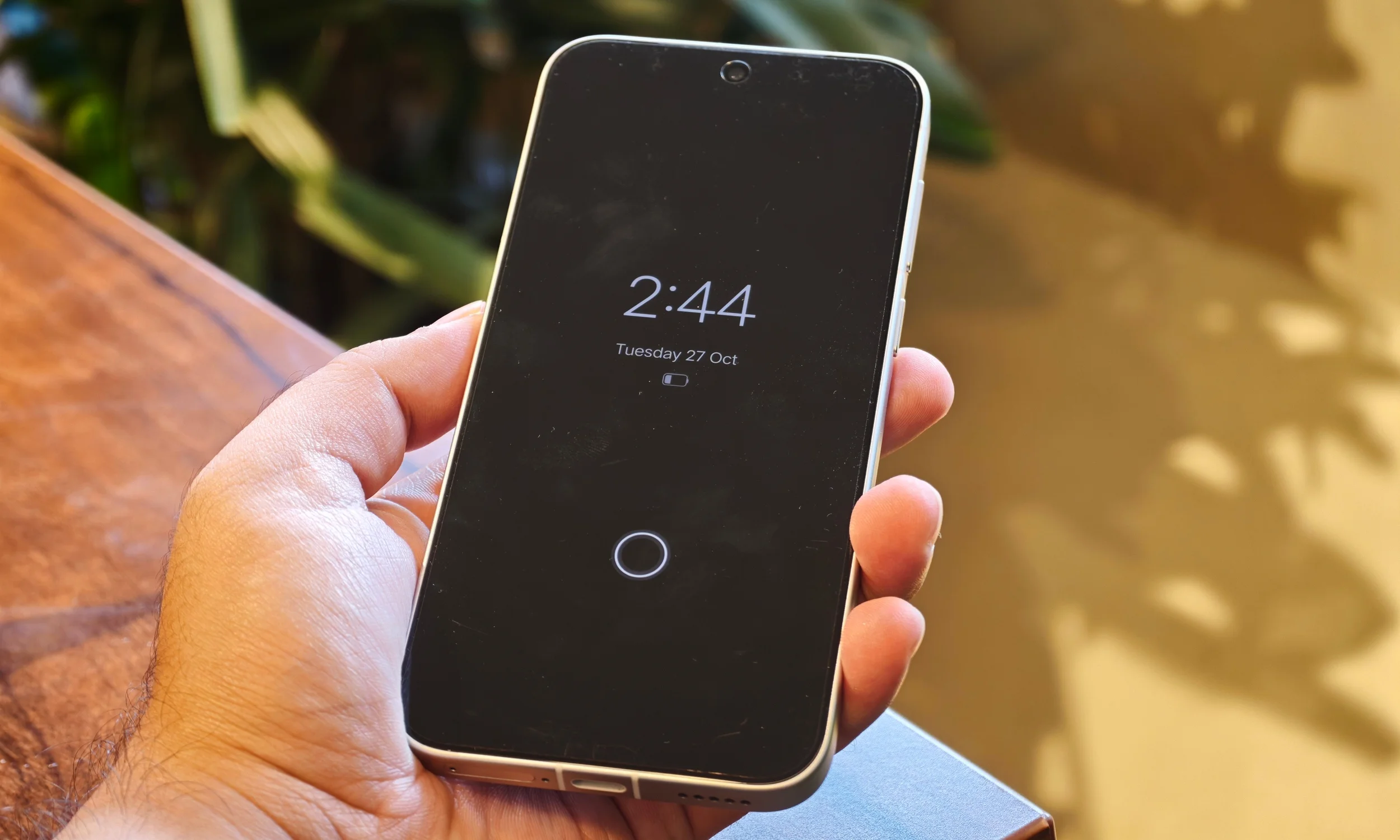
The X500 Pro makes a strong case for keeping a flagship manageable. Its 6.36-inch screen is bright, colorful and smooth, with enough room for everyday use without turning the phone into a two-handed device. The build feels solid, and the understated two-tone finish gives it a polished look without calling too much attention to itself. The display’s nearly invisible bezels are the detail that stands out most. They’re impressively thin and even on all four sides, a difference I noticed coming straight from the Pixel 11 Pro. The ultrasonic fingerprint reader is another small but meaningful touch: it’s quick, easy to reach and fits the phone’s refined feel.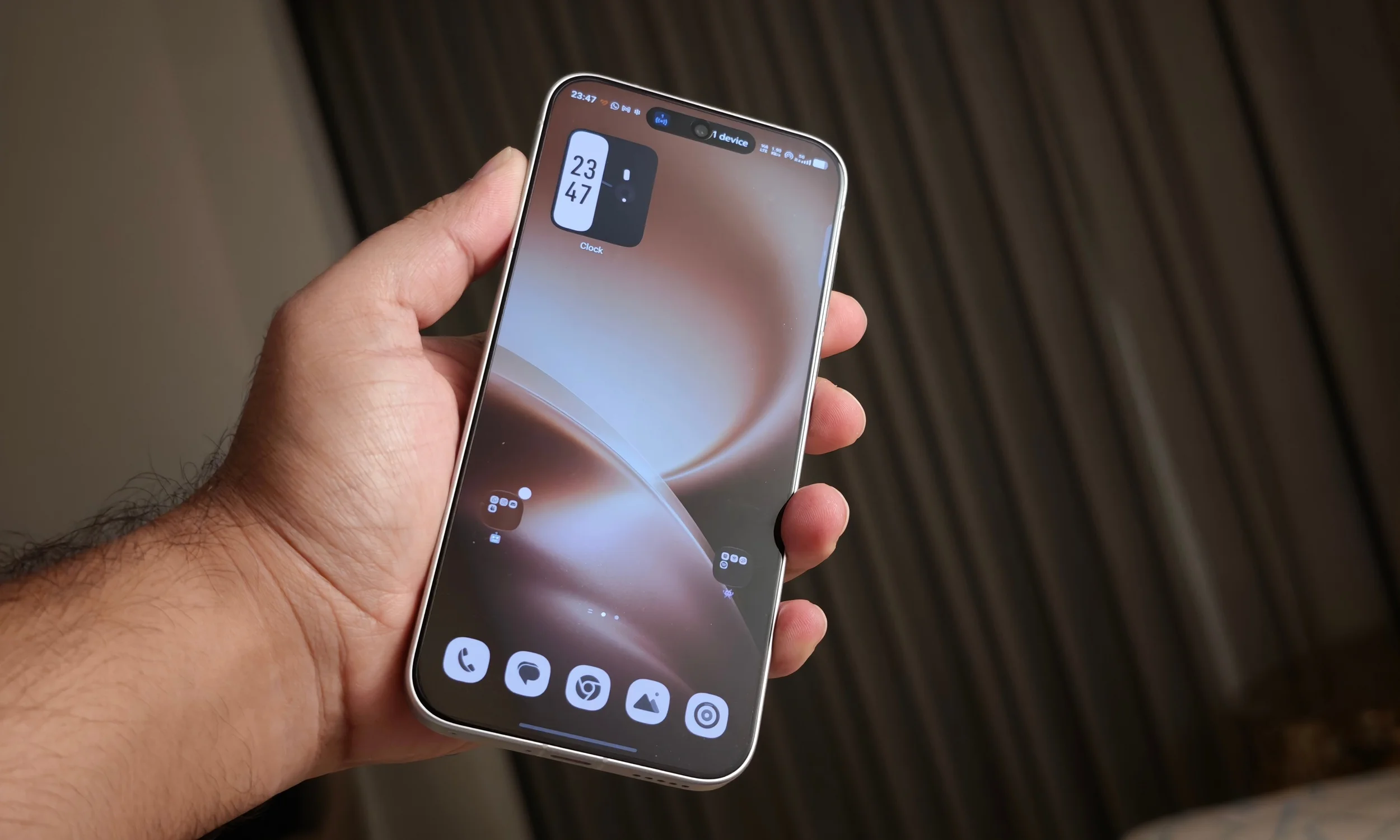
OriginOS wins me over in small, practical ways
OriginOS 7 was the part I expected to like least. I’ve generally preferred the cleaner, more considered feel of Google’s Pixel interface, and Vivo’s translucent, Liquid Glass-inspired design didn’t change that first impression. The frosted effects are everywhere, and they can get visually tiring. Here’s the thing: the software has useful flexibility beneath the styling. In Quick Settings, you can resize individual tiles, giving your most-used controls more space and shrinking the ones you rarely touch. Vivo also lets you keep notifications and Quick Settings together in one shade. I prefer that to the split swipe-down layout used by some Android makers, including Samsung, which can make a simple notification check feel like an unnecessary reach. If you like Google’s combined approach, Vivo gives you that option. I was also glad to find Motion Cues, a feature intended to ease motion sickness when using a phone in a moving vehicle. It’s similar to Google’s Motion Assist. The feature is due to ship with Android 17, though whether it’s available depends on Google Play Services and how each manufacturer’s interface handles it. After these first few days, OriginOS has earned more credit from me than I’d previously given it.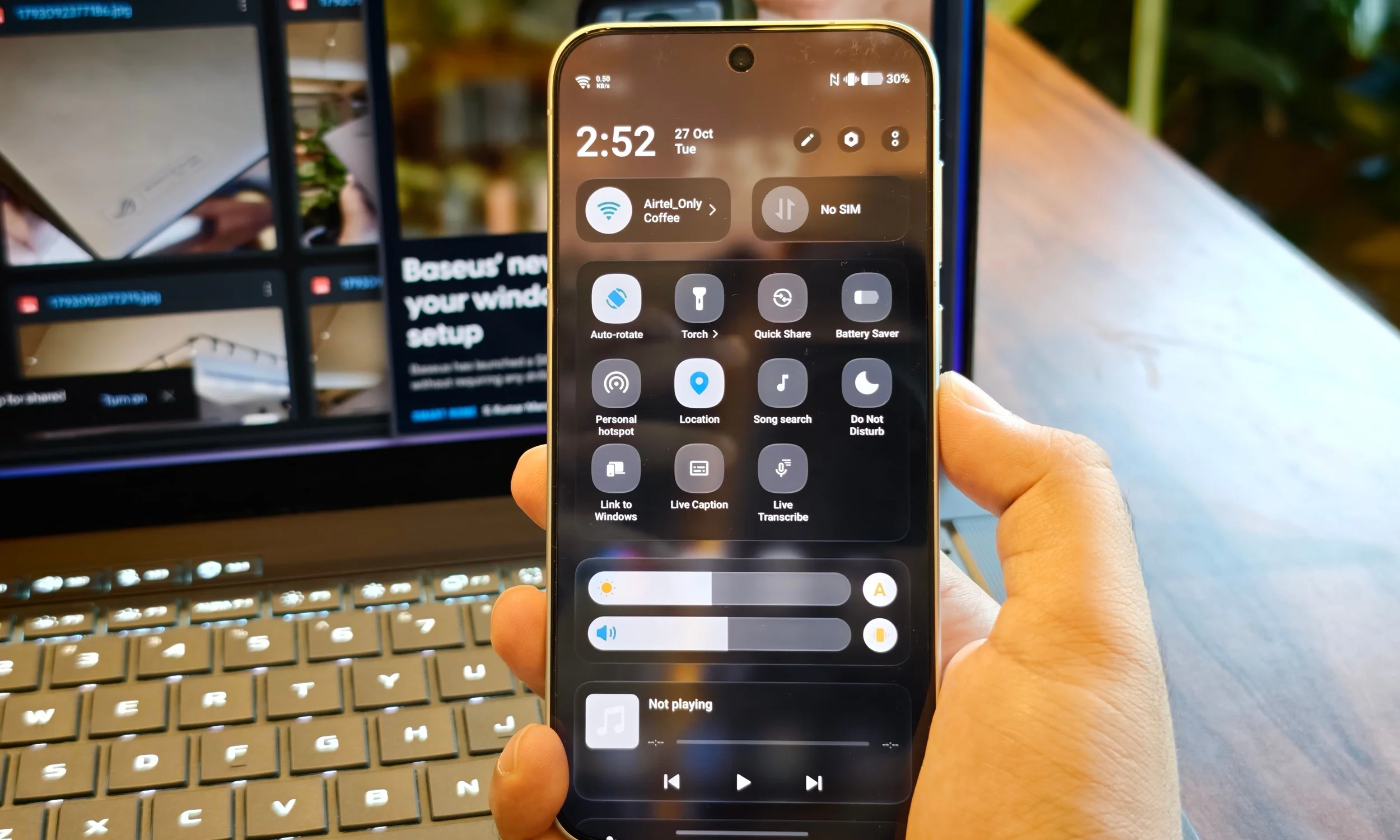
The camera gap looks larger on paper
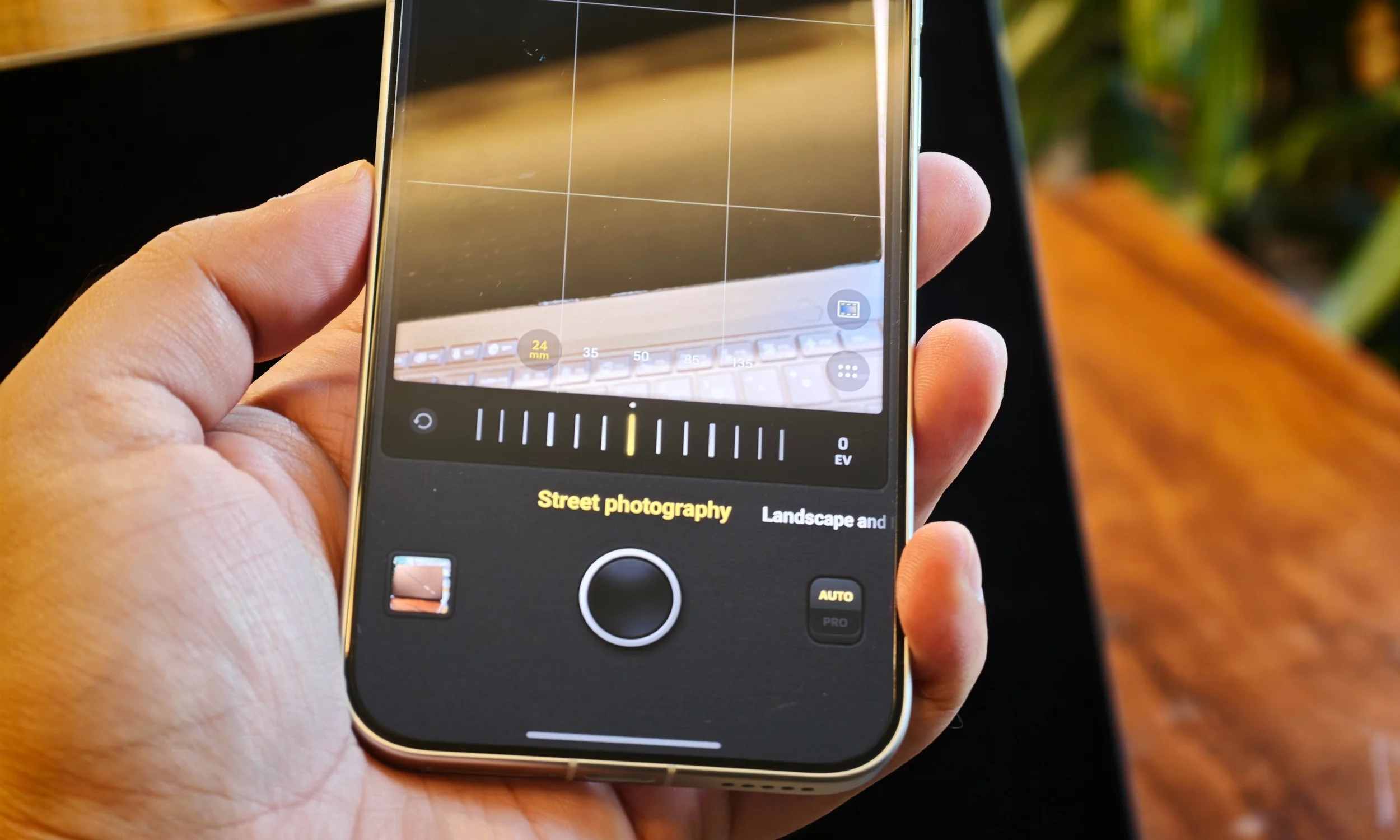
Vivo has built its flagship identity around photography, so the telephoto difference between the X500 Pro and Pro Max matters. The Max gets a 200MP ZEISS APO telephoto camera; the smaller Pro uses a 64MP periscope lens. Both have an 85mm-equivalent focal length, but the higher-resolution hardware gives the Max an advantage, especially for distant subjects. So far, that hasn’t made me miss the pricier phone every time I take a picture. The main camera has delivered the image quality I’d expect from a premium Vivo, and the periscope camera has been capable in my early use. I still need to test it more in difficult light and at longer distances. The hardware difference is real; how much it changes everyday results remains an open question.
Battery endurance is the surprise advantage
The battery story was the clearest contrast with my time using the Pixel 11 Pro. During an airport stop, I spent close to an hour on a call while the X500 Pro’s hotspot kept my laptop online. When I checked the battery afterward, it was still above 90%. That wasn’t a controlled test, and signal strength and other conditions can change the result, but it was an encouraging real-world sign. A 6,510mAh battery in a phone this size is striking. The X500 Pro also supports 90W wired charging and up to 40W wirelessly. For comparison, that wireless rate is faster than the wired charging on the compact Galaxy S26. If you’re used to more modest battery life and charging speeds, this is the sort of difference you’ll notice without running a benchmark.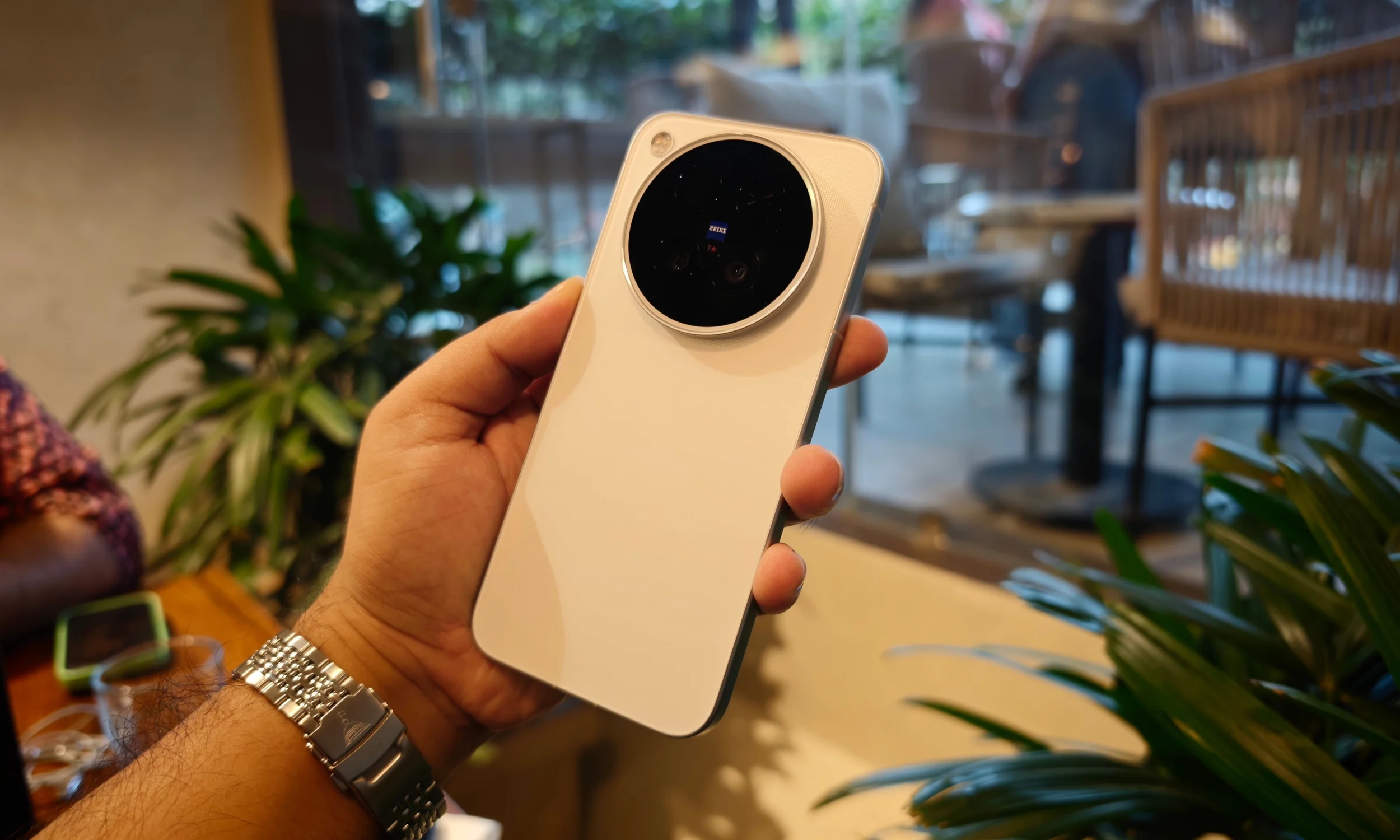
The X500 Pro’s biggest selling point may be the one you notice between everything else: its battery and fast charging make daily use feel less constrained. Pixels, Galaxies, and iPhones can last through a typical day, but spending time with a phone that charges faster and carries a larger battery makes that convenience hard to give up.
A compact flagship with a few unanswered questions
Vivo gives the X500 Pro the same MediaTek Dimensity 9600 Pro found in the larger Pro Max. So far, it’s kept everything I’ve tried feeling smooth and responsive, and early benchmarks suggest it’s in line with the bigger phone. That’s a promising start, but it doesn’t tell us how the chip will handle long gaming sessions or sustained workloads. Those tests will have to wait for the full review.
Price will shape how buyers judge those strengths. The X500 Pro starts at 6,499 yuan in China, and European pricing begins at €1,399—just over $1,500, putting it in the same conversation as the iPhone 18 Pros. At that level, a good first impression is only the start of the case Vivo needs to make.
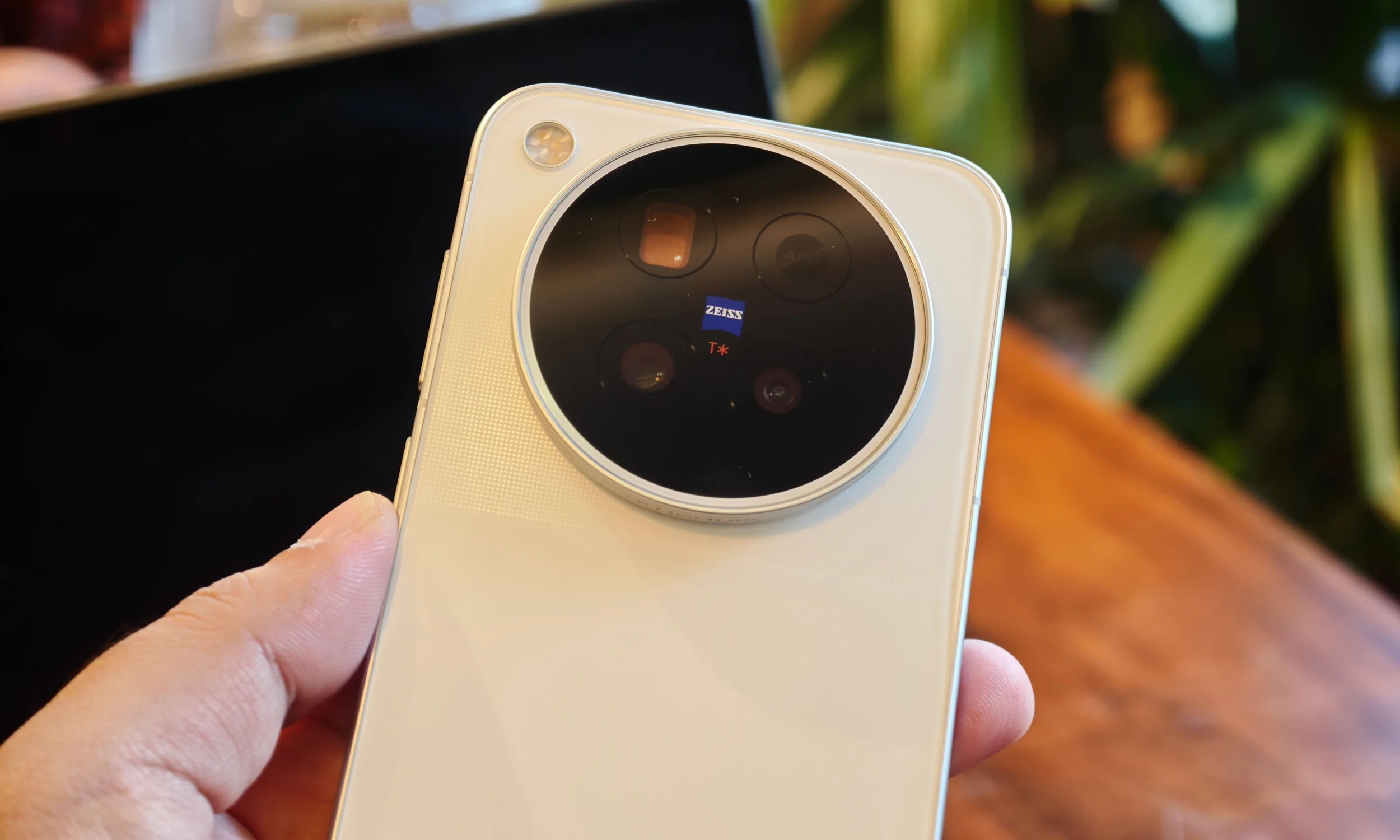
My early read is favorable. The display feels well-proportioned, the construction is excellent, and the software offers useful ways to customize the experience. Battery endurance has already stood out, too. For anyone weighing a smaller flagship, that combination is more persuasive than a spec sheet alone.
There’s still plenty to verify: camera performance, battery life over time, and how the Dimensity chip behaves under prolonged load. A few days can’t answer those questions. But the X500 Pro has made a strong opening case; the full review will show whether it can sustain it.