Reencle Essential Review: A More Affordable Food Composter With a Manual Lid
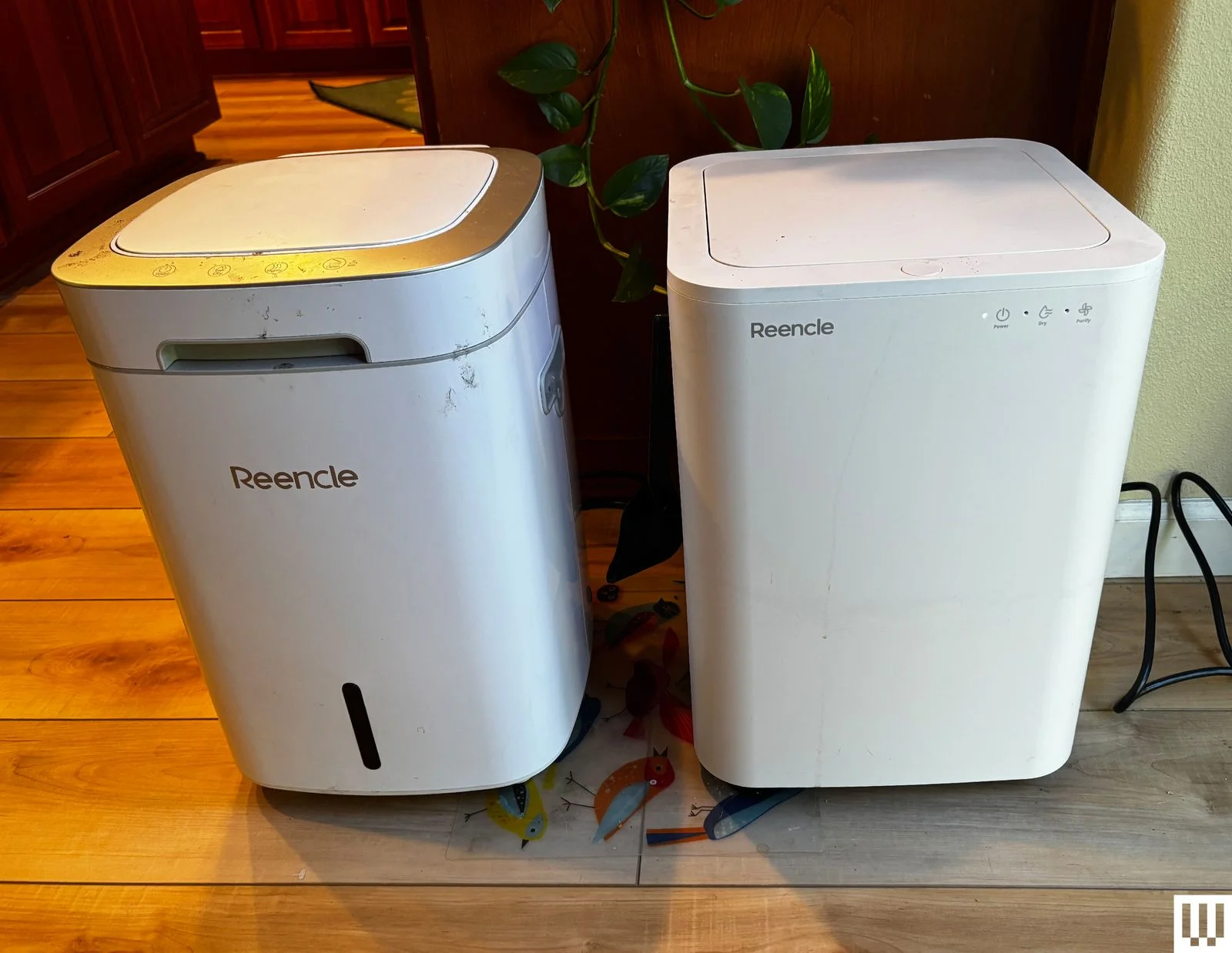
Reencle’s main distinction is that it relies on thermophilic bacteria, including Bacillus and Actinomycetes, to digest food scraps. The result is biologically active material, though it still needs curing before it’s ready to use. I’ve tested other machines that work this way, but they’re larger, more expensive, and noisier. A fan running around the clock can be a real nuisance in a small home. Reencle’s larger-capacity Gravity model is the only food recycler or composter I’ve tested that stays completely silent.
Before using the Essential’s output, let it cure for 30 days to balance its pH, then mix it with potting soil at a ratio of one part output to four parts soil. That’s a more practical proportion than some machines require. I’ve used Reencle material indoors and outdoors for nearly 18 months; when I follow the curing and mixing directions, I haven’t had trouble with odors, mold, or other problems. Reencle explains how to use the output.
Scrap Routine
The Essential works like a bin you can keep feeding throughout the day. There’s no batch cycle or separate collection bucket, and it can take the same range of scraps as the larger Reencle models: meat, dairy, eggs, cooked food, and small bones. The recommended daily limit is 1.5 to 2.2 pounds. You’ll have to estimate the weight yourself; the Gravity has a built-in scale, but the Essential and Prime don’t.
Setup is straightforward: remove the carbon filter’s stickers, fit the filter, add the included ReencleMicrobe mixture, pour in water, and switch the unit on. The microbes should rehydrate within 24 hours and be ready to process scraps.
My family needed about three weeks to fill the Essential to the line, which is about the same capacity as the Prime. At that point, sift the material and leave roughly one-third of it in the machine. Reencle doesn’t specify how much to remove. I sift the contents over a separate bin, then return scraps that need more time—often citrus and banana peels.
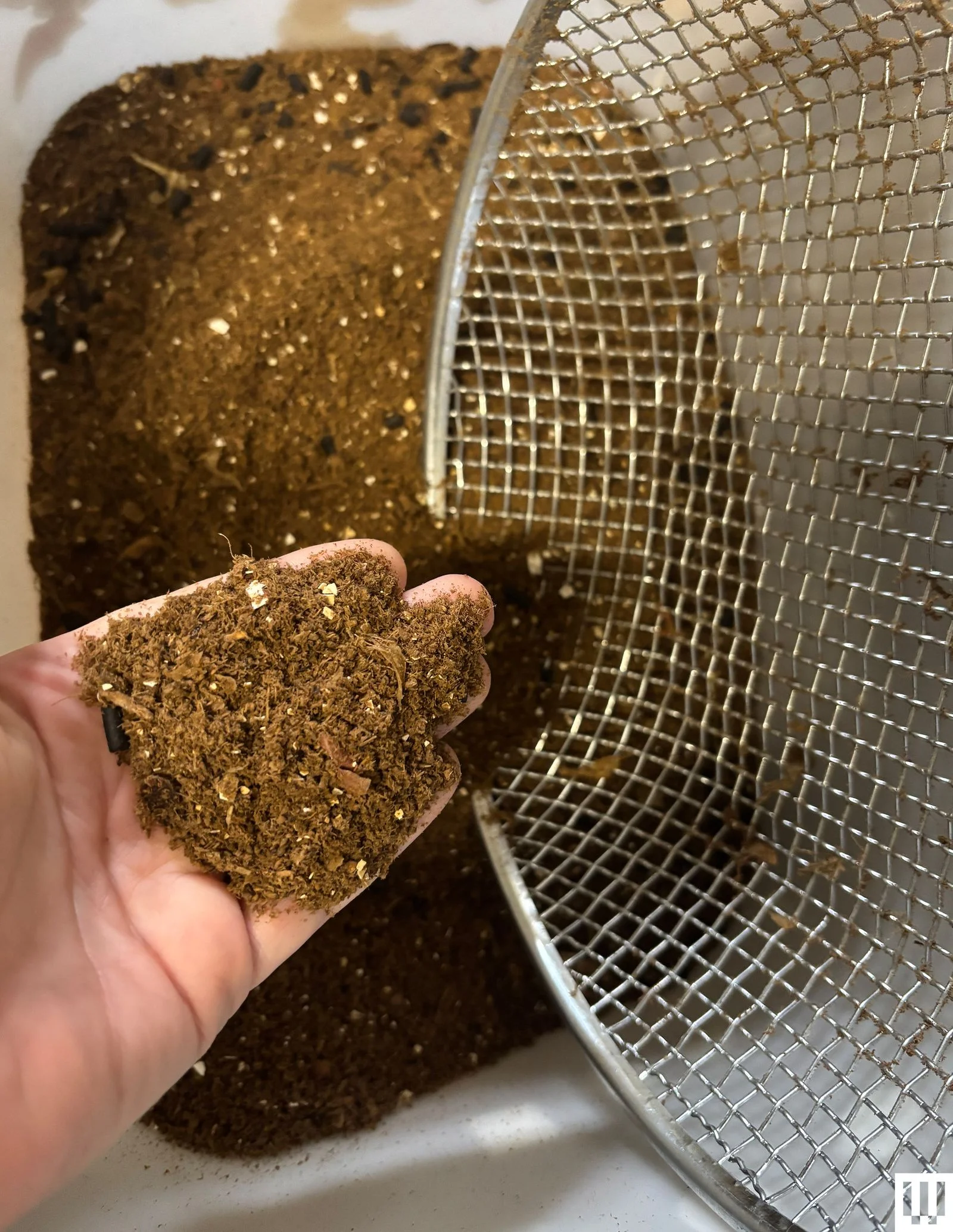
Sifting takes time, and it’s the least appealing part of the routine. You can put the removed material in an outdoor compost pile, use a municipal green-waste bin if your local program accepts it, or spread it over your lawn. The Essential can also sit unattended for up to four weeks while you’re away. In my tests, the Prime and Gravity looked much the same after I left them for as long as 10 days.
The microbes multiply inside the bin, so normal upkeep is limited unless the mixture goes off track—too much oil, for example. The main recurring expense is a carbon filter, about $12 once a year.
Essential or Prime?
| Specification | Reencle Essential | Reencle Prime |
|---|---|---|
| Price | $399 | $549 |
| Processing method | Microbial decomposition; continuous operation | Microbial decomposition; continuous operation |
| Maximum daily food waste | 1.5–2.2 lbs.; best for 1–2 people | 2.2 lbs.; best for 1–3 people |
| Dimensions | 13.3 × 12 × 17.2 inches | 12 × 13 × 18.4 inches |
| Weight | 19.6 lbs. | 20.1 lbs. |
| Lid | Manual | Automatic opening and closing; foot sensor |
| Noise level (as measured) | 28 decibels, though more noticeable | 28 decibels |
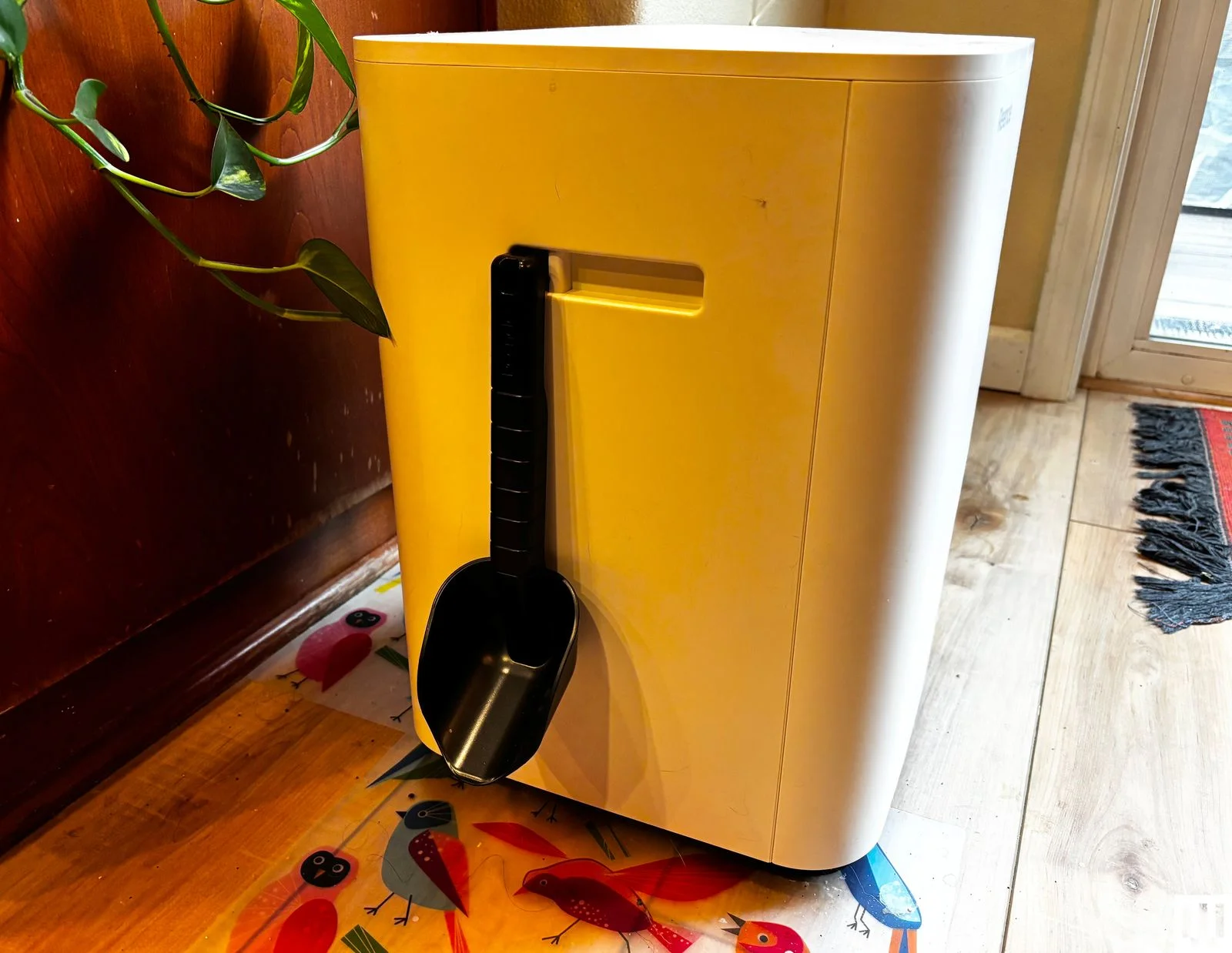
The Essential’s refreshed design is one of the clearer upgrades: it has a matte white or black finish, a more contemporary shape, and front-mounted buttons. Every Reencle includes a small shovel that hangs from a side hook; the Essential’s is longer than the usual child’s beach-bucket-sized scoop and reaches the bottom of the bin. That makes it easier to stir the contents—and to move scraps aside to inspect the paddles that keep everything aerated.
Keep those paddles clear. Wet grounds stuck to the wall or long banana-peel strings can tangle them, so cut up large or stringy scraps before adding them. They’re also fragile: a paddle on my Prime broke off after about 18 months, and I didn’t discover it until I scooped out the contents. Reencle has instructions for requesting and installing a replacement. Outside the two-year warranty, it costs $35.
Both units measured about 28 decibels on my meter, but the readings don’t capture the whole experience. The Essential makes a sharper “FFFFFFFF” sound that I notice more than the Prime’s softer “Shhhhhh.”
For most people, the Essential is the better buy. It costs $150 less, has similar size and capacity, looks more current, and comes with the longer shovel. The Prime’s automatic lid—with its foot sensor—is the real reason to pay extra. I still miss that convenience, but not enough to spend another $150.
Power up with unlimited access to WIRED. Get best-in-class reporting and exclusive subscriber content that's too important to ignore. Subscribe Today.