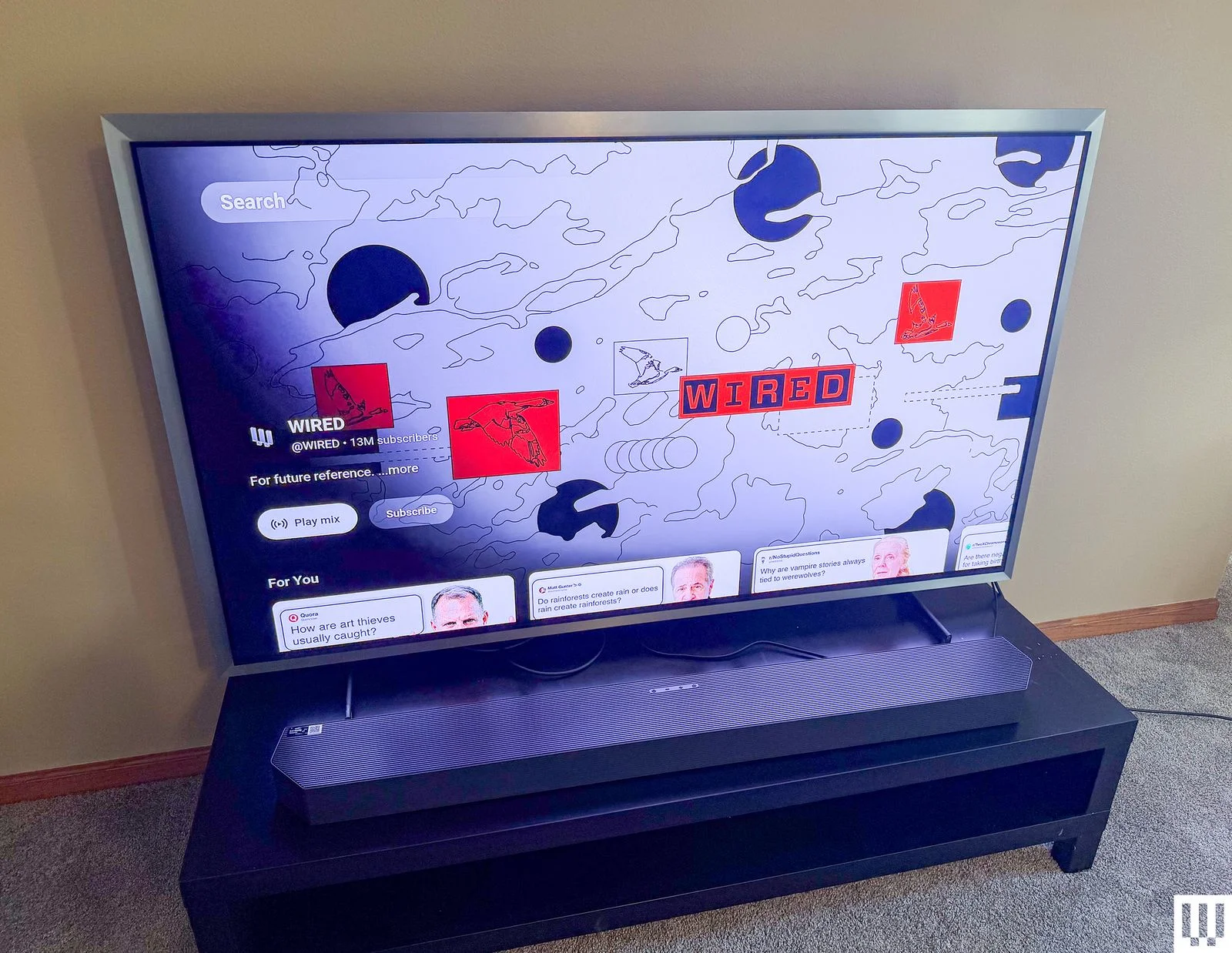
Samsung S95H OLED Review: Strong Picture Quality in a Crowded TV Market
Samsung’s OLED advantage is narrowing
The Samsung S95H earns an 8/10, and its strengths are familiar: accurate color, deep blacks, strong brightness, and rich detail. But the bigger story is that OLED no longer wins by default. The S95H is an excellent flagship, yet new RGB and art-focused TVs make the choice less automatic than it used to be.
If you’re shopping at the top end, the competition is already close in price. Samsung’s own RGB TV and Art TV options complicate the usual OLED recommendation. I was especially taken with the Samsung The Frame Pro 2026: its matte screen makes artwork look convincing on a wall. The LG Micro RGB Evo also delivered striking movies, shows, and games after I adjusted its settings. The S95H still makes a strong case, but rivals now give buyers real reasons to compare.
A new frame, and a simpler setup
The S95H replaces the Samsung S95F. It keeps that model’s anti-glare technology and improves picture quality and AI processing. Samsung has also changed the look: a silver bezel sits recessed behind the OLED panel, giving the screen the appearance of a metal picture frame. I like the effect. People in my family noticed it immediately, describing the thin black edge as if it floated in front of the frame.
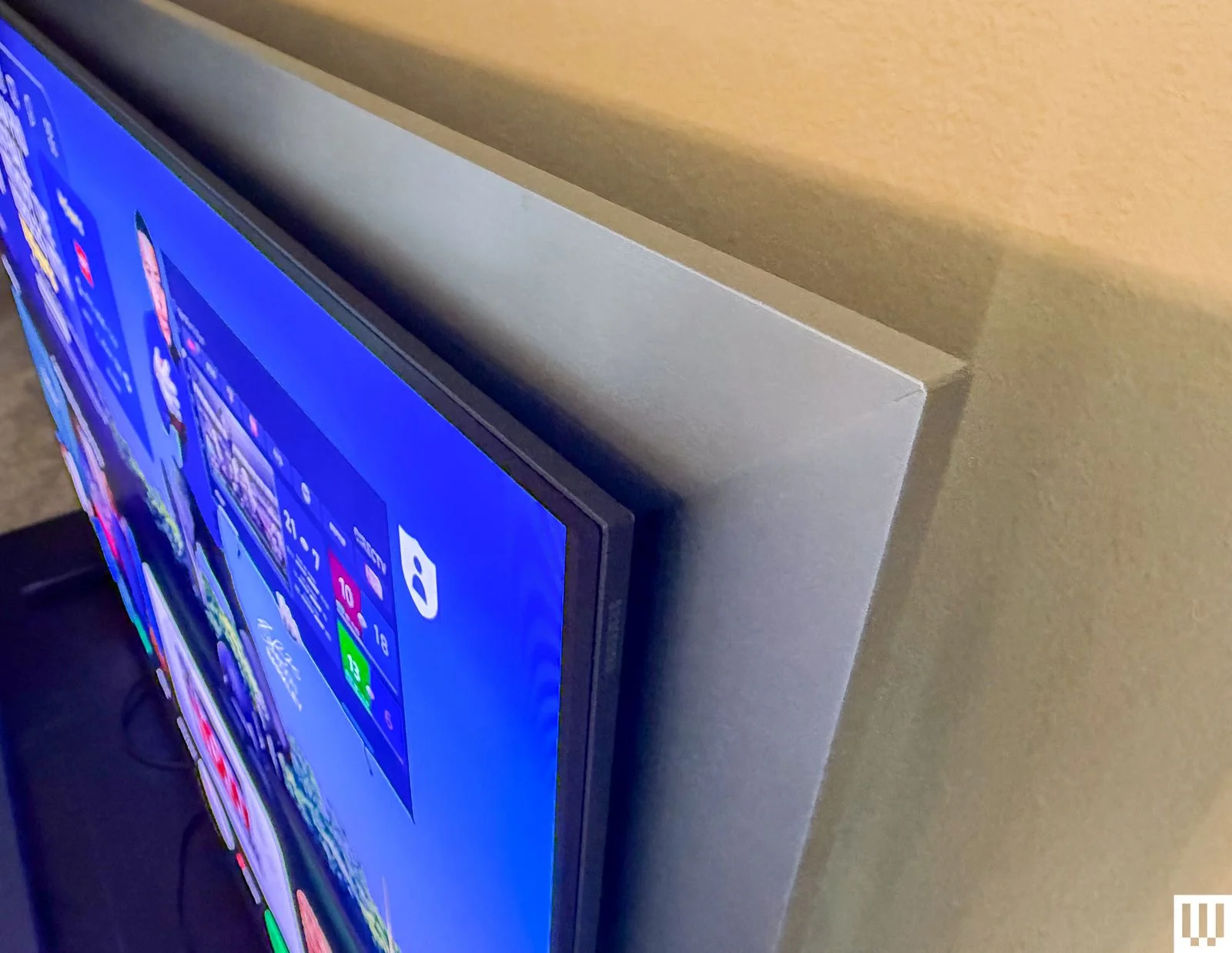
There’s another practical change. The S95H ships without Samsung’s One Connect breakout box, and it doesn’t require one. You’ll plug a console, streaming device, and other gear straight into the TV. That makes the set 1.04 inches thick, compared with 0.4 inches for the S95F. I found the direct connection less fussy: one fewer box to install and power. If you later want to reduce visible cables near the TV stand or wall, you can buy One Connect separately.
Strong OLED performance, with a few caveats
The S95H’s connections cover the basics well: four HDMI ports, including support for gaming at 165 Hz and eARC audio, plus Ethernet, optical audio, two USB ports and a headphone jack. Wi-Fi 6E is a step up from the Wi-Fi 5 in the S95F. The set can sit nearly flush against a wall, though the included pedestal stand was easy to attach. Tizen remains the part of the experience I like least. It works, but setting up apps and adjusting picture settings is more of a chore than on Google TV sets such as the [Sony Bravia 7 II](https://www.wired.com/review/sony-bravia-7-mark-ii/). I test Samsung TVs often enough to know my way around the interface; that doesn’t make it less maze-like. At least setup didn’t require Samsung’s SmartThings app. The remote is a better story: it keeps the buttons to a useful minimum. Most viewers need volume, mute, channel controls and a few app shortcuts, not a crowded keypad. Samsung doesn’t publish S95H figures for color gamut, peak brightness or contrast. Those numbers can shift with picture settings, room lighting and what’s on screen, so I judged the set through viewing tests instead. The result is a very good OLED, though the field has become competitive enough that a flagship price no longer makes the choice automatic.Color and contrast depend on the scene
The S95H’s best evidence came in difficult, dark material. In Awake, nighttime scenes with the lead character biking looked too dim in Filmmaker, Dynamic, Standard and Eco modes. AI Optimized mode brought out substantially more detail, and handled those scenes better than the [Samsung Micro RGB R95H](https://www.wired.com/review/samsung-micro-rgb-r95h/). That mode also gave the cliffs in The Creator visible texture and color where some OLED and RGB sets made them look flat. The S95H can hold deep blacks, contrast and fine detail together. That’s a meaningful strength of its OLED panel, although the viewing tests don’t explain exactly why the Micro RGB set fell short in those scenes. Color held up well in brighter material, too. Shirts in The End of Oak Street looked vivid and sharply separated, without visible bleeding. In The Super Mario Galaxy Movie, the set performed above average on color bloom; Filmmaker mode controlled the effect especially well, even though it had made other movies look too dark. Guardians of the Galaxy Vol. 2 showed strong shadow detail in a dark uniform. A familiar nighttime scene from Game of Thrones showed both the panel’s strength and its limits. AI Optimized mode revealed dragons that can disappear into the darkness on other settings. But a high-end projector such as the [AWOL Vision Aetherion](https://www.wired.com/review/review-awol-vision-aetherion-max-rgb-laser-ust-projector/) exposed faint trees behind a character that the S95H didn’t make as visible. The benchmark scenes were less decisive. Skin tones looked acceptable, but people in the same scene didn’t have as much color variation as on the LG Micro RGB Evo. In nature footage, the LG also rendered grass brighter and showed more clarity in mist above a snowy mountain. The S95H still preserved plenty of detail in dark forest trees. The broader pattern is clear: OLED has the edge in black and gray detail, while its color can compete with RGB and sometimes look more vivid. A yellow flower and red cactus in the demo reel appeared brighter than on the RGB sets I’d tested. In 4K Blade Runner 2049, reds and yellows looked unusually rich—more convincing than on several Sony, Hisense and Samsung RGB models.Fast gaming, uneven results
At 165 Hz, the S95H felt responsive, and Red Dead Redemption 2 showed off fine detail in the main character’s face during a ride beside a lake. But the first gaming test, a library scene in Resident Evil Requiem, looked short on texture and detail beside some RGB TVs and projectors. Other games surfaced more mixed results. The lead character’s face in Senua’s Saga: Hellblade II looked somewhat dark, even with AI Optimized mode on. In Crimson Desert on PC, fire from a pet dragon filled the screen with orange that looked too stark to me. The S95H is highly capable, but its picture modes don’t solve every scene. The built-in speakers are serviceable rather than impressive. A Samsung Q990H soundbar made a much stronger case for the TV’s audio: in Requiem, droning creatures seemed to screech from the side channels with convincing spatial placement. The S95H supports Dolby Atmos, though Samsung still omits Dolby Vision on most of its TVs. The anti-glare screen works very well, but it didn’t stand out in my testing; glare hasn’t been a major problem on many recent TVs I’ve reviewed. Artwork looked excellent on the S95H, thanks to the OLED panel and low-reflection screen. Access to most images in Samsung’s Art Store costs $5 per month, and the Samsung The Frame Pro 2026 remains the better choice if displaying art is the priority. The S95H is an excellent television, especially for deep blacks, contrast and vivid color. It isn’t the runaway winner in every comparison: the LG Micro RGB Evo did better with some skin tones and nature footage, while the AWOL projector revealed detail in one dark scene that the TV missed. Still, OLED’s handling of shadows and its ability to produce striking color make the S95H a standout across much of my real-world viewing.