Apple’s First Touchscreen MacBook Pro Signals a Product-Focused Era Under John Ternus
|
5 min read
Apple chose continuity, with a product person at the helm
John Ternus’s first MacBook Pro launch as Apple CEO made a quiet argument about the company’s priorities. He introduced its first touchscreen Mac, then sent journalists and creators off to try the laptop and watch musicians, filmmakers, photographers, and fashion designers demonstrate it. The moment that drew the loudest reaction was smaller: the Apple logo lights up again. That choice of emphasis matters. Apple is entering an era defined by AI, yet Ternus’s presentation put the hardware front and center. The 51-year-old CEO has held the job for less than two months, but after 25 years at Apple, he’s hardly an outsider. The message was that Apple doesn’t need a dramatic reinvention. The new MacBook Pro and its striking display made the case for products doing the talking.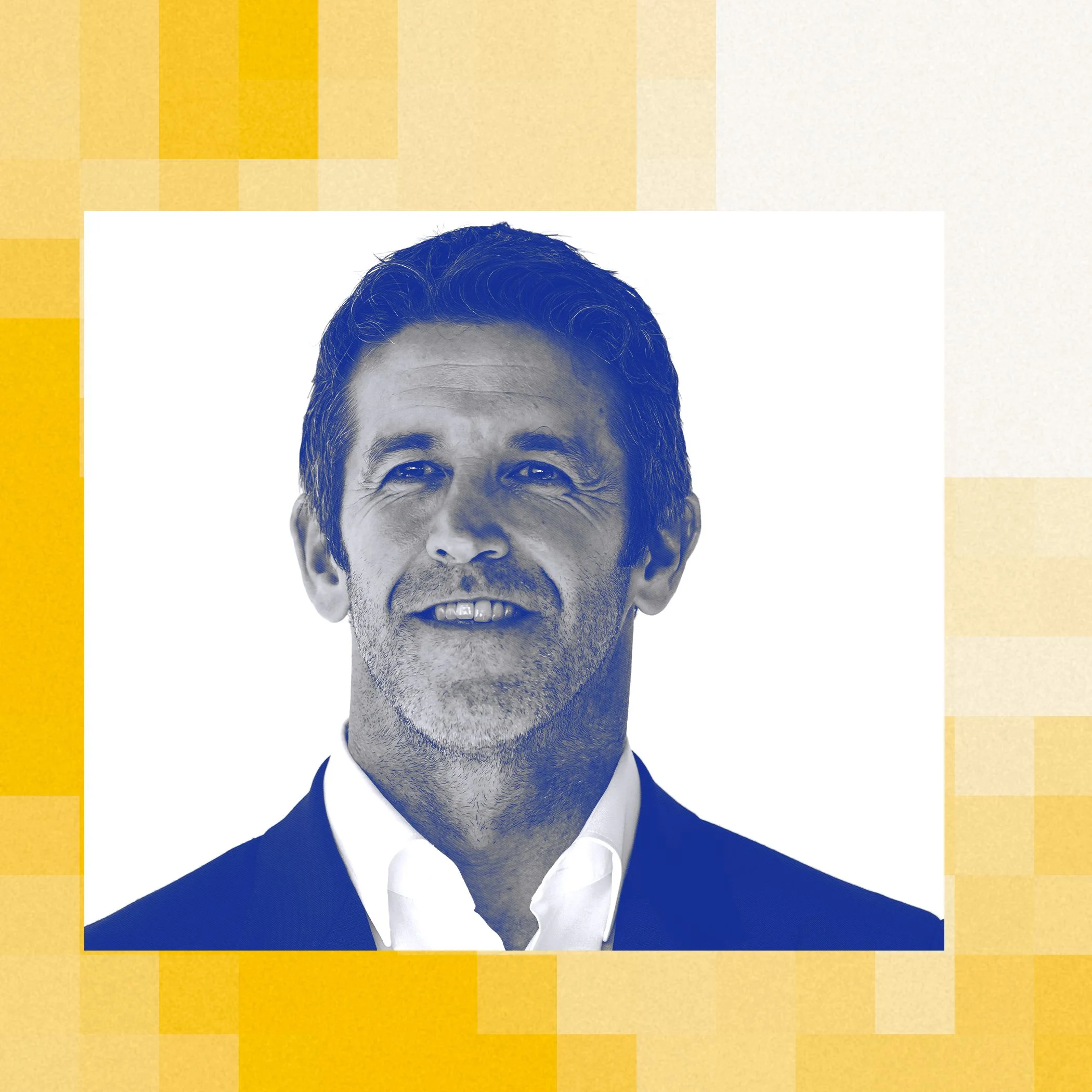
The job extends beyond products
Ternus’s closest partner may be Johny Srouji, who led Apple’s custom silicon work, a source of many of the company’s advances over the past decade. Apple has combined its hardware engineering and technology organizations under Srouji, who reports to Ternus. Srouji says their working relationship will deepen and describes Ternus as a product person who understands Apple’s culture. After 25 years inside the company, he said, Ternus isn’t arriving to change everything. Still, running Apple means more than choosing products. The company has a $100 billion services business, a large infrastructure, and the demands of a sprawling corporation. Ternus called the expanded brief a chance to learn, while making clear that product remains his passion. Politics is another part of the job. Reports say Cook, now executive chair, will continue handling some senior policy work, including the kind of presidential diplomacy captured in WIRED’s image of gold-plated binkies. Ternus says Cook is available when asked and brings relationships built over years. Ternus is building his own. He has not yet met Donald Trump.AI is the test he can’t sidestep
The harder question is whether continuity can hold during a technological shift that may reshape Apple’s business. I asked whether Ternus’s tenure will be judged by his handling of AI. The debate around Apple is familiar: Siri has left the company looking behind, while a more measured strategy—adding AI to products and emphasizing privacy—could avoid the cost of building frontier models and pay off over time. Ternus said he likes Apple’s position. He wants AI to make products better, not to become a product goal in itself. If the company gets it right, he argued, people shouldn’t need to distinguish AI from conventional software; they should simply value what the product does. That’s a clear product philosophy. It doesn’t settle whether Apple’s current pace is enough. There’s also a bigger disagreement about what AI will do to software. One view sees it becoming a normal feature in familiar devices. Another imagines AI agents replacing apps, assembled from prompts or acting on their own. Ternus rejects that future as the dominant frame, arguing that making products is a deeply human activity. It’s a defense of Apple’s existing model, though the technology’s direction remains uncertain. On regulation, he offered less. Ternus pointed to the security risks posed by capable models and said Apple’s focus is protecting its products and users’ information. That answer leaves his policy views unclear. It may also be the sort of careful response a CEO needs when the subject touches both technology and government. For all the questions about AI, politics, and a company valued at $4 trillion, Ternus’s identity seems settled: he’s a product-focused CEO. As our conversation ended, he asked me what I thought of the logo.This is an edition of Steven Levy’s and Lauren Goode's Backchannel newsletter. Read previous newsletters here.