OLED Touchscreen MacBook Pro Could Start at $2,899 With Redesigned Cooling
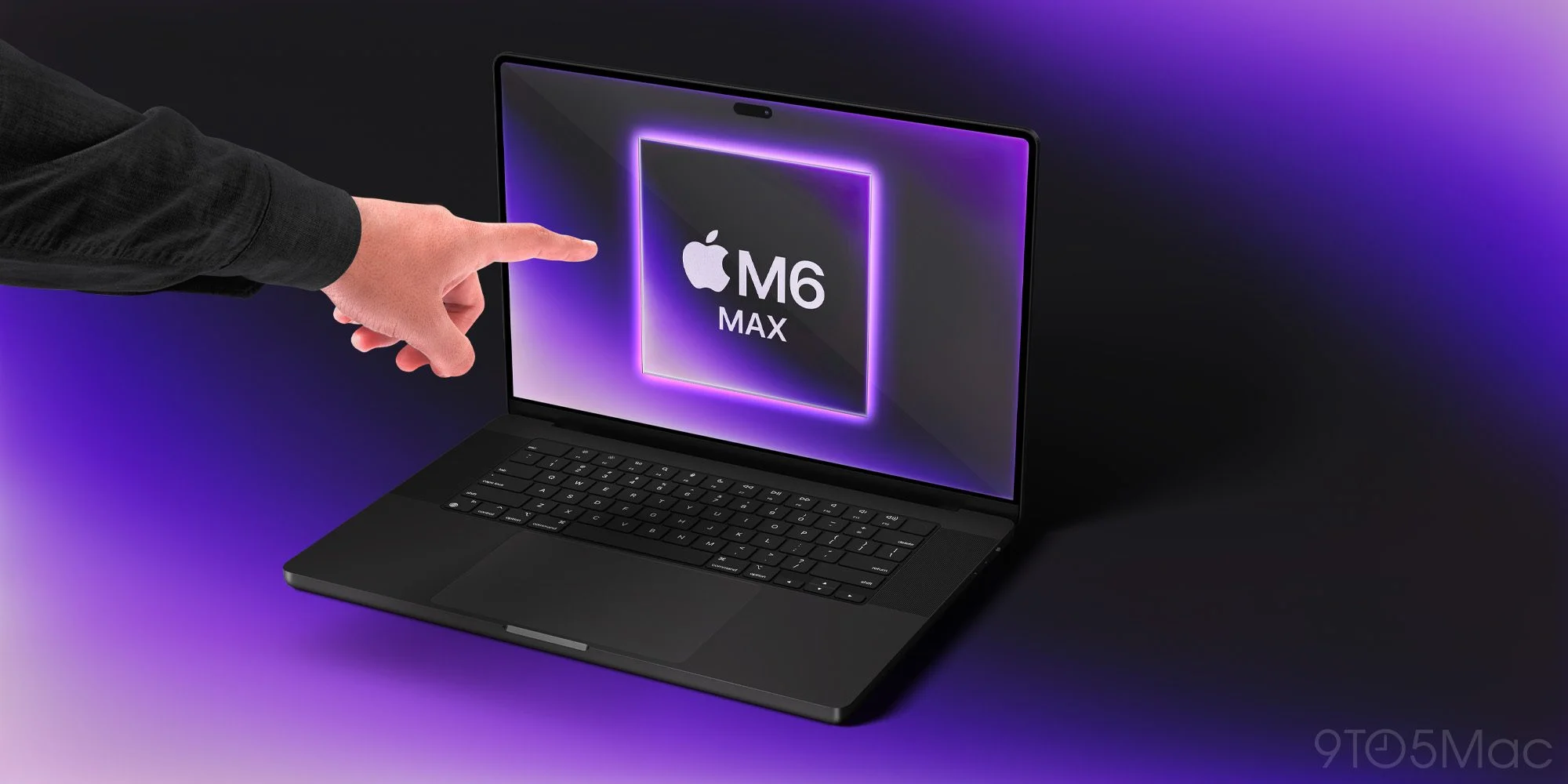
Apple’s first touchscreen MacBook Pro appears set to bring a notable hardware rethink, but the reported entry price may define the upgrade as much as the new OLED panel does. Bloomberg’s Mark Gurman says Apple has discussed a $2,899 starting price for the 14-inch M5 Pro configuration, with the redesigned machines positioned above existing MacBook Pro models. That pricing would make touch part of a premium tier, rather than a feature added across the MacBook Pro range. The distinction matters: customers could soon choose between familiar non-touch machines and a redesigned model whose headline changes arrive bundled together.
Touchscreen hardware at a premium
For the 16-inch version, the report points to a price of at least $3,399, assuming Apple carries over the $400 gap between the current 14- and 16-inch models. Those figures would be at least $700 above the respective $2,199 and $2,699 starting prices for M5 Pro MacBook Pros before Apple’s June price increases. The comparison makes the size of the reported premium clear, though it also depends on using those earlier prices as a baseline. Buyers will need to judge the redesigned hardware against what Apple actually charges for the models available alongside it.
Gurman says Apple intends to keep non-touch MacBook Pros in its lineup. In a post on X, he wrote that he didn’t expect the current 14-inch models at $2,499 and 16-inch models at $2,999 to leave stores on announcement day; retail locations were still stocked with them. That would give customers a choice between the current design and the more expensive OLED models, at least initially. The new machines would occupy a higher tier, though customers seeking the redesigned chassis may have to pay for touch whether they want the feature or not. That’s a meaningful trade-off: the price premium appears tied to the whole redesign, not to a separately optional screen upgrade.
At $2,899, the 14-inch model would exceed the $2,799 launch price of Apple’s 17-inch MacBook Pro from 2006, making it the company’s most expensive starting configuration for a new MacBook Pro, according to the report. That would place it among the priciest touchscreen laptops, in the same broad category as premium OLED systems from Dell Technologies. This is more significant than it looks: a high starting price can shape how customers interpret every other feature, from the screen to the thinner body. For a professional laptop, the question isn’t only whether the new components are desirable, but whether they improve the work people already use the MacBook Pro to do.
A thinner build with airflow changes
The expected redesign combines an OLED touchscreen, Dynamic Island, thinner bezels and a slimmer, lighter body. Apple has also reportedly changed the hinge to keep the display steady during touch input. A further detail in Gurman’s report is a reworked cooling system that directs airflow through the hinge while helping reduce the laptop’s weight. These elements point to changes that interact: a touch display introduces physical input at the screen, while the hinge and cooling system have to support the new form without compromising the computer’s other demands.
Those changes suggest Apple is adapting the MacBook Pro’s structure around a display people can touch, rather than simply adding touch capability to the existing design. The hinge and cooling work will be practical tests of whether the new interaction model fits a laptop built for sustained professional workloads. Similar systems typically have to balance screen movement, heat management and portability, and the report suggests Apple is addressing those constraints in the chassis itself. The details that matter most may be less visible than OLED: whether the screen stays stable during use and whether the thinner body can still handle demanding tasks.
Apple’s decision to bring touch to Mac
Gurman’s sources say Tim Cook approved the touchscreen MacBook Pro project about four years ago, partly because customers had repeatedly asked for the feature. One person familiar with the decision recalled Cook saying, “He said we should just do it.” That account frames the project as a response to persistent demand, but customer interest alone doesn’t establish how useful touch will be on a Mac. The execution has to make sense for people who work primarily with a keyboard and trackpad, as well as those who want direct interaction with the display.
John Ternus oversaw development. The report says he argued internally that Apple had fallen behind and that touchscreens had become standard expectations for laptops. The product’s arrival would mark a shift in Apple’s Mac strategy after years of keeping touch interaction on the iPad side of the product line. Here’s the thing: bringing touch to Mac changes the boundary between two product categories Apple has kept distinct. (And this is the part most people overlook.) A touchscreen may attract attention, but its value will depend on how well it fits the software and the habits users have built around a laptop.
What the premium means for buyers
Apple is expected to open preorders on October 28, with availability potentially beginning November 6. The timing would put the touchscreen models alongside new M6-powered Macs announced the day before. If you’re working in this space, the overlap makes the product lineup especially important: customers may be weighing the new screen and chassis against other new Macs, while the non-touch MacBook Pros remain available. The reported dates and configurations still leave room for details to change, so the final lineup will determine how clean that comparison is.
For buyers, the central issue is whether the OLED display and reworked chassis justify a substantial premium over the non-touch systems Apple plans to keep available. Touch could be a welcome addition for some workflows and an incidental feature for others. A thinner body may appeal broadly, but it will have to coexist with the cooling needs of a professional machine. The new MacBook Pro’s case will rest on how those changes work together in daily use—and whether Apple gives customers a convincing reason to pay more for the redesign.