Samsung Galaxy Z Fold 8 vs. iPhone Duo: Why the Passport-Style Foldable Works
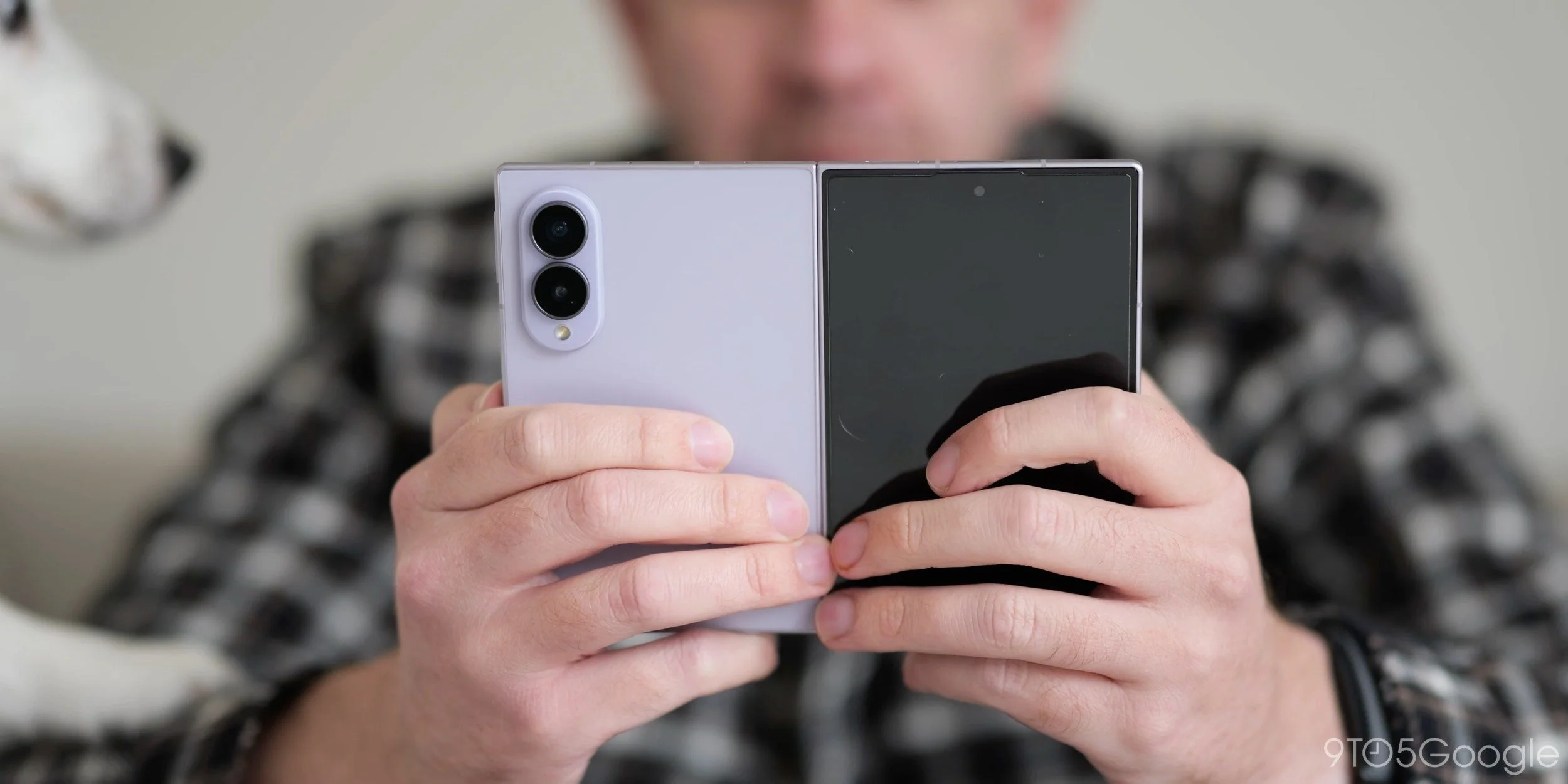
The iPhone Duo gives Samsung’s Galaxy Z Fold 8 a real rival, but its arrival also makes the Fold’s appeal easier to see. Samsung’s early bet on a passport-shaped foldable looks well judged. Apple’s design doesn’t make it obsolete; it puts two different ideas of what a folding phone should be side by side. And I’ve found myself preferring Samsung’s.
The Duo doesn’t render Samsung’s design obsolete. That’s the more useful way to read this matchup. The question is less which company has made the definitive foldable and more which shape fits the way you use a phone. I’m not convinced Samsung has pushed the format forward dramatically. It may have found a practical balance that many people already understand.
For more video content, subscribe to 9to5Google on YouTube.
A passport-sized foldable gives you a usable phone on the outside and a larger workspace when you open it. The cover screen is compact enough to keep things manageable, while the inner panel gives you room for content and multitasking. You can reach what you need on the outside; when that stops being enough, the bigger screen is right there.
There are compromises. Some interface controls feel crowded on the outer display, and I’ve had to change the keyboard’s height to make typing comfortable. But Android lets you adapt the experience. The Duo, from what I’ve seen, seems more fixed in its approach, and that flexibility matters when one device has to work at two very different sizes.
Foldable buyers tend to want one of two things: a small tablet that folds down, or a phone that opens into a more capable multitasking device. The Fold 8 leans toward the second idea while still offering a generous inner screen. I find that combination more convincing than either label suggests.
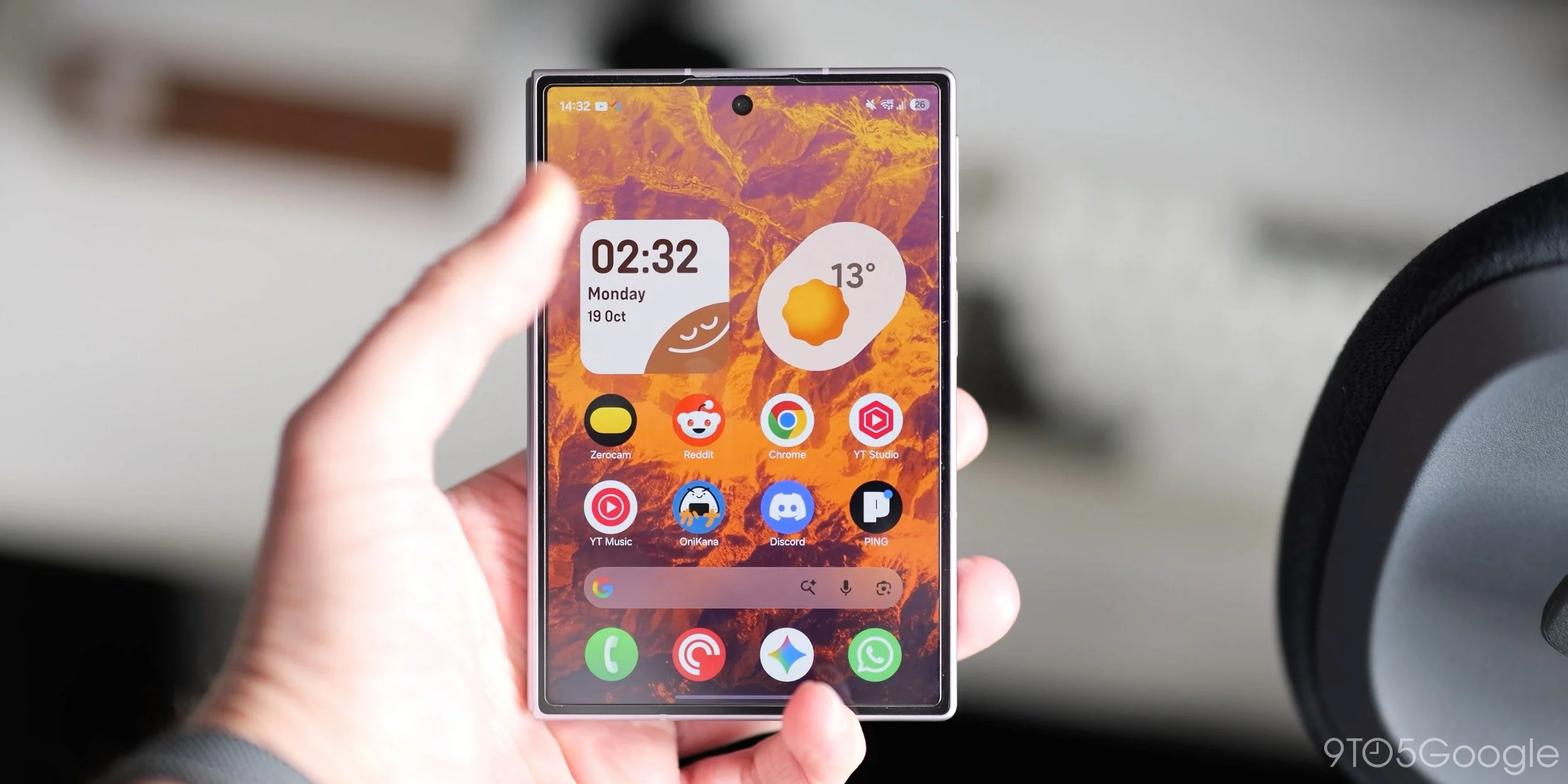
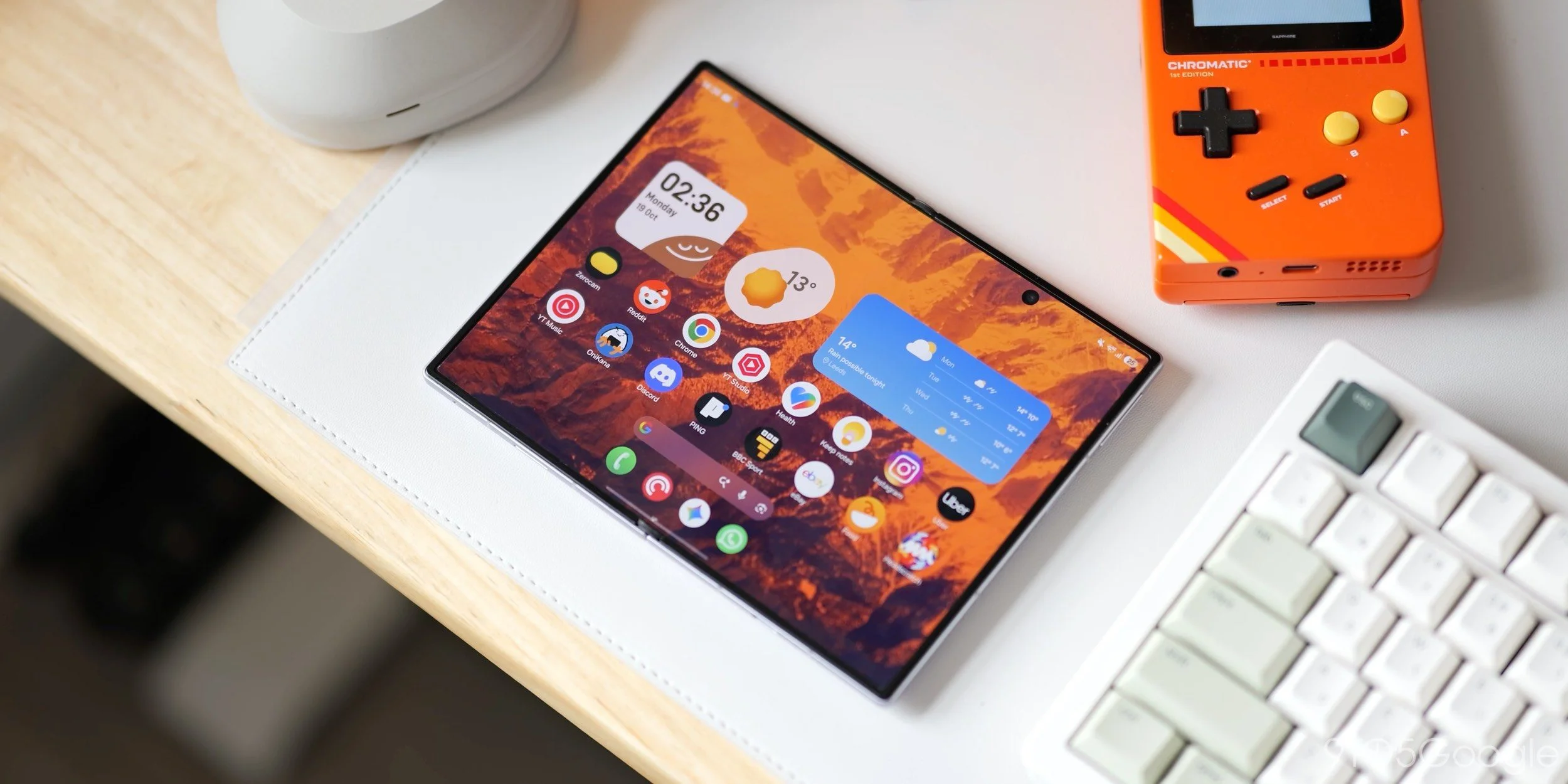
In day-to-day use, the Fold 8 has become my most-used phone of 2026, alongside the Pixel 10 Pro earlier in the year and the Pixel 11 Pro now. I keep a backup SIM in it. That means fewer notifications competing for my attention, and its free roaming makes it a handy travel phone. It’s also where I play Balatro.
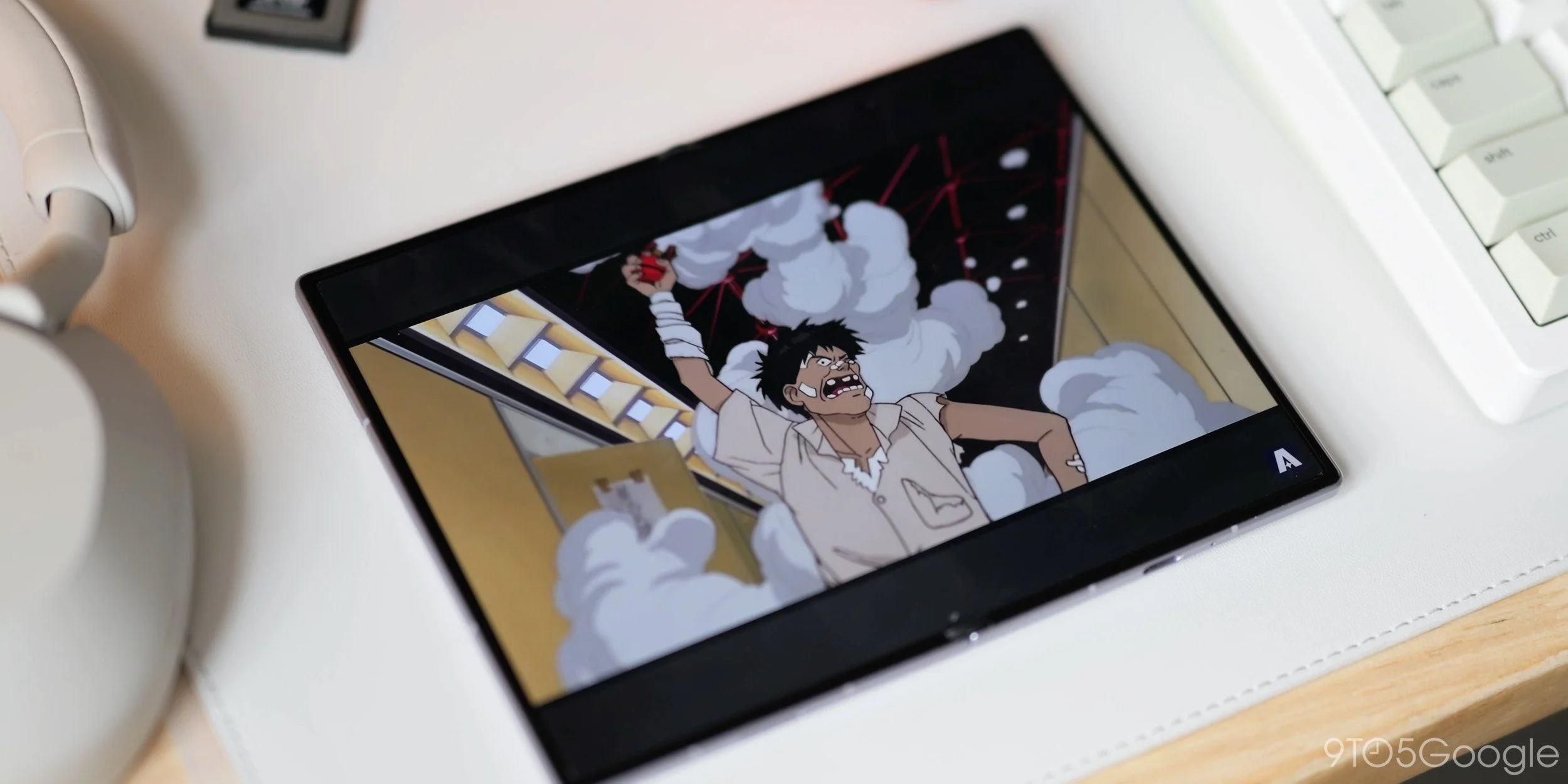
Travel is where the format clicks. Each week I download a few films and shows before a flight or train ride, then carry the Fold in a side bag or jacket pocket. It works like a small tablet without the bulk I’d expect from one. It’s lighter than most phones I use, and I barely notice it in my bag. That still feels unusual.
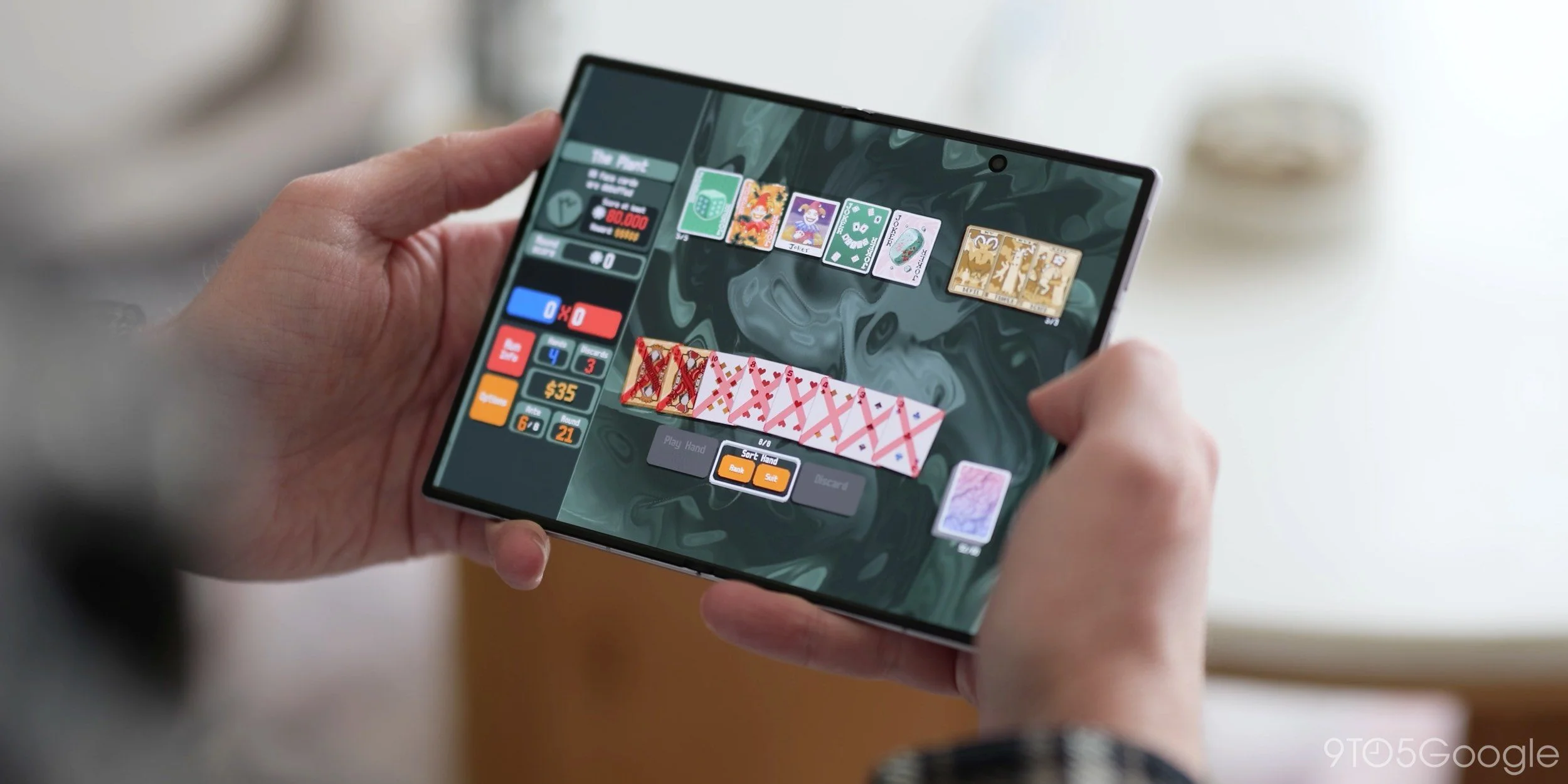
I haven’t treated it like a fragile showpiece. There’s a protector on the outer screen, but the phone has spent a couple of days at the beach as an e-reader and has picked up only one small ding on the top frame. I still haven’t found a case I like. The Fold is so thin and light that a bulky cover would take away part of its appeal. It feels like the closest Samsung has come to a Flip with the proportions I’d actually want.
The inner display is harder to defend on paper. The gloss and visible crease draw complaints, and I understand why people want Samsung to improve both. Apple’s Duo reportedly pairs a near-invisible crease with an effective anti-reflective coating, which raises expectations for Samsung, a company known for its displays. I don’t find the crease or reflections disruptive once I’m using the screen, but that’s a personal tolerance, not a reason to dismiss the criticism.
I tried a matte screen protector from Amazon. It cuts some glare and fingerprints, though it’s less matte than the listing suggests. I’d still like to try something closer to the Duo’s display coating. Adding a protector to the inner screen carries some risk: Samsung doesn’t fully recommend it, and a poor fit can leave bubbles. Mine took several attempts to get right.
Software makes the two-screen idea work
One UI is a major part of why I keep reaching for the Fold. I still prefer Google’s Material 3 Expressive, but Samsung has kept building foldable-specific controls into One UI. I liked the Pixel 9 Pro Fold and Pixel 10 Pro Fold, yet Google’s software felt less playful and less tailored to the shift between screens.
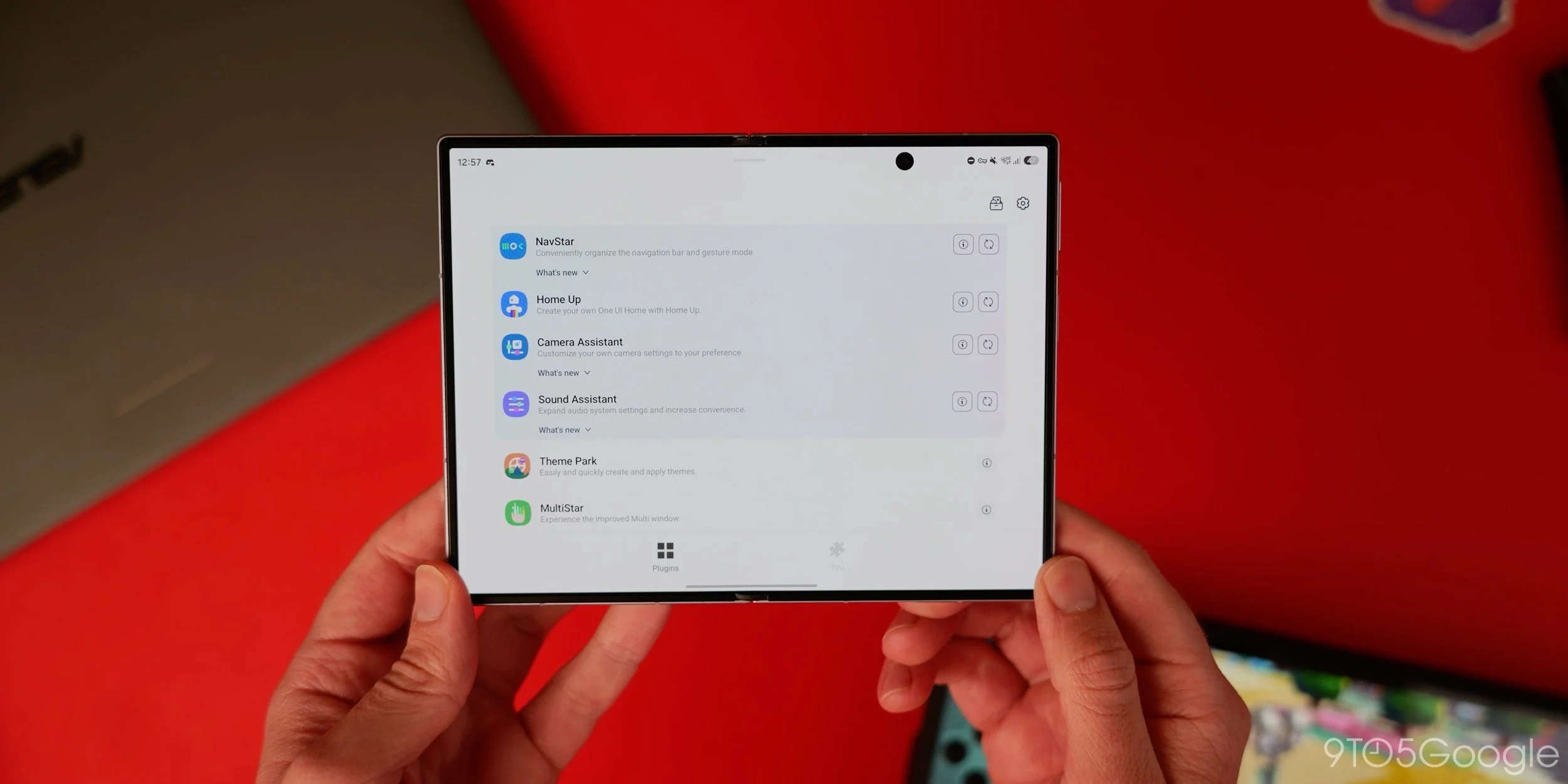
Samsung’s Home Up and Good Lock add-ons take some setup, but they let me tune details such as the volume panel and icon layout. Those small choices matter on a phone that changes character when you unfold it. The bottom dock feels sensibly positioned, and the physical volume buttons are easy to find. Apple’s right-side dock on the Duo looks less natural to me.
Most major apps make good use of the inner display. Instagram, for instance, can show the feed and comments together, giving it the feel of a tablet app. Two apps side by side work well enough, though some windows need resizing. I stop at two: a third turns the available space into a squeeze.
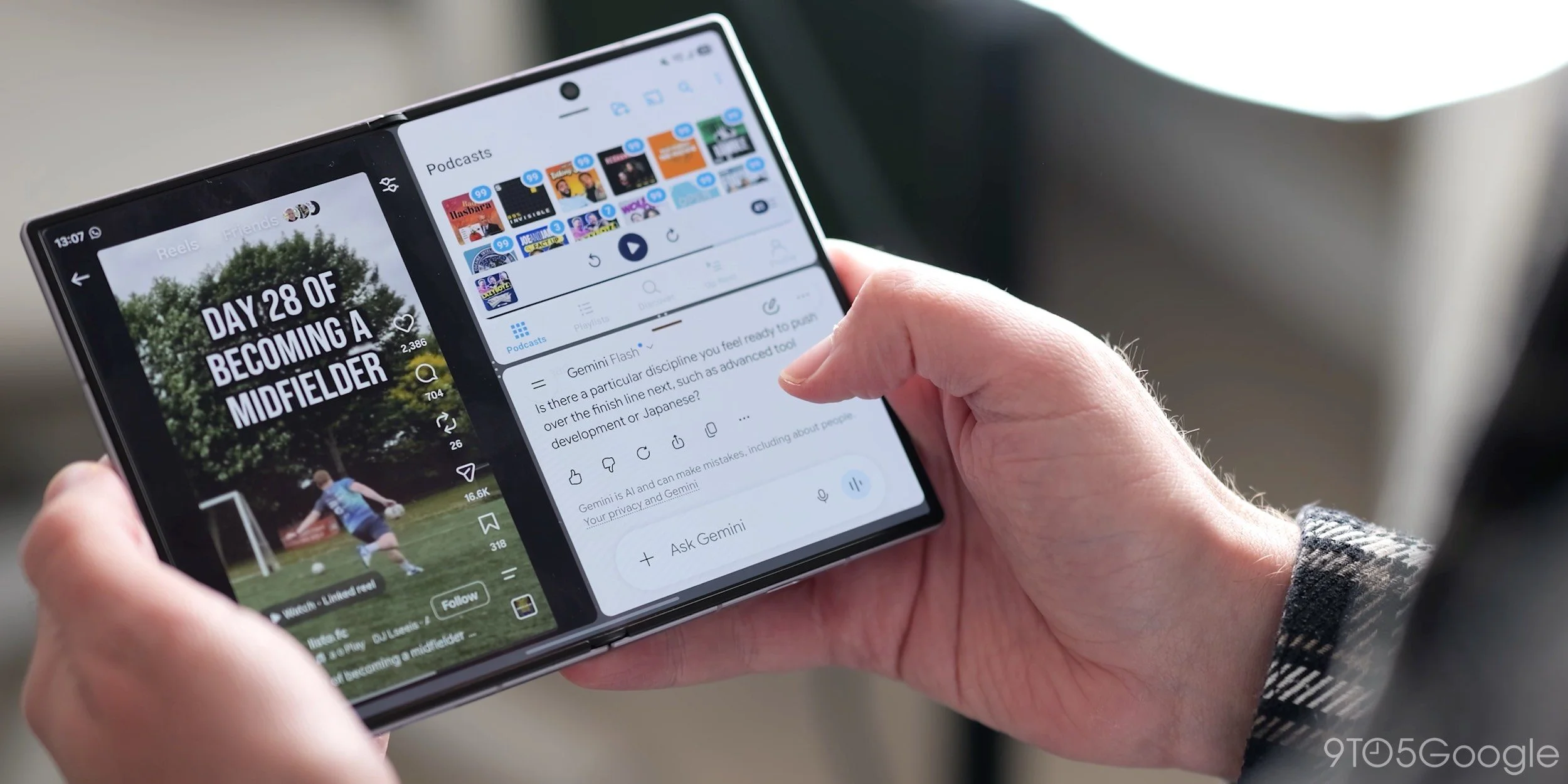
Apple’s arrival could help solve one of foldables’ persistent weaknesses: app support. The Fold 8 already has a few apps tuned for its outer screen, and there’s room for improvement. Most Android apps scale adequately, but occasional controls still feel cramped. If major developers put more effort into large and small foldable layouts, the next few years could be a strong period for the category. AI-assisted porting may help, though it’s too early to know how much that will improve the actual experience.
Where the compromises show
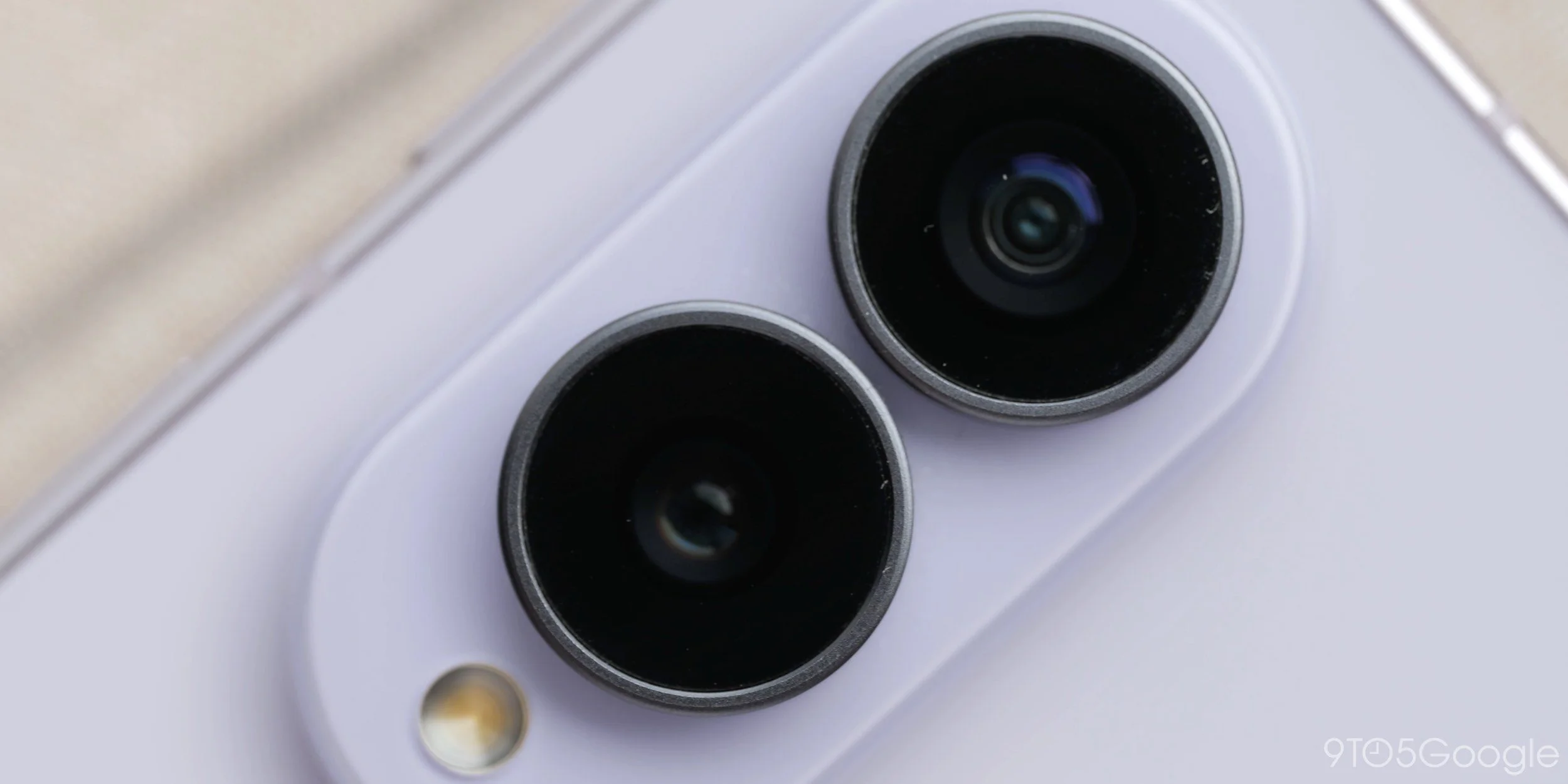
The camera is below the best phones available. Sometimes it’s merely serviceable, and I’ve learned to work around its limits to get a clean shot. That would be a bigger problem if I didn’t also carry a Pixel 11 Pro for photography. Plenty of buyers won’t have that option, which makes the camera a fair criticism, alongside the price.
Battery life is another compromise. It handles ordinary use for many people, but a phone priced near £2,000 or $2,000 should make it through a full day. Foldables often give up battery capacity, and the Fold 8 can still manage long stretches of video playback: I watched several episodes of Widow’s Bay on flights without draining it quickly, provided I used flight mode.
When I’m not constantly using the screen, battery life is better than I expected, though it isn’t exceptional. I carry a slim Anker power bank for long flights and can charge while watching, then unplug when I arrive.
My enthusiasm comes with a caveat: this is a luxury phone, and its price puts it out of reach for most people. Still, the Fold 8 is the most distinctive phone I’ve used this year. It isn’t the best at any single task. Maybe that’s precisely why it stands out in a market where so many releases feel incremental.
A foldable that earns its novelty
The Z Fold 8’s appeal is hard to capture in a spec sheet. It’s the first phone in a while that makes me want to pick it up just to open it and use it. That’s a slightly uncomfortable admission after 18 months spent trying to rein in my phone habit, but the Fold feels different: less like another handset and more like a small, pocketable toolkit. It can serve as a tablet, a gaming display, an e-reader, or a roomy browser, then fold down to a shape that fits in a pocket or side bag. That range is the point. The Fold doesn’t feel confined to the usual phone routine, which helps explain why it’s winning over people like me. And if Apple is willing to bring this kind of device to a wider audience, Samsung’s decision to keep pushing the format looks well judged. If your current phone feels stale, the Z Fold 8 deserves a look. The catch is its price. Deals are already appearing, and Apple’s arrival alongside the approaching Black Friday sales could bring more discounts in the weeks ahead. More related stories: - Galaxy Z Fold 8 is still $200 off as iPhone Duo displays crack - iPhone Duo’s software restricts an already-small display; Galaxy Z Fold 8 doesn’tThe best current deals on the Fold 8: - $1,699 ($200 off) at Amazon - $1,599 ($300 off) at Google Fi - $1,699 ($200 off) at Best BuyFTC: We use income earning auto affiliate links. More.