XREAL Aura Brings 150 Spatial Apps and Games to Android XR Glasses
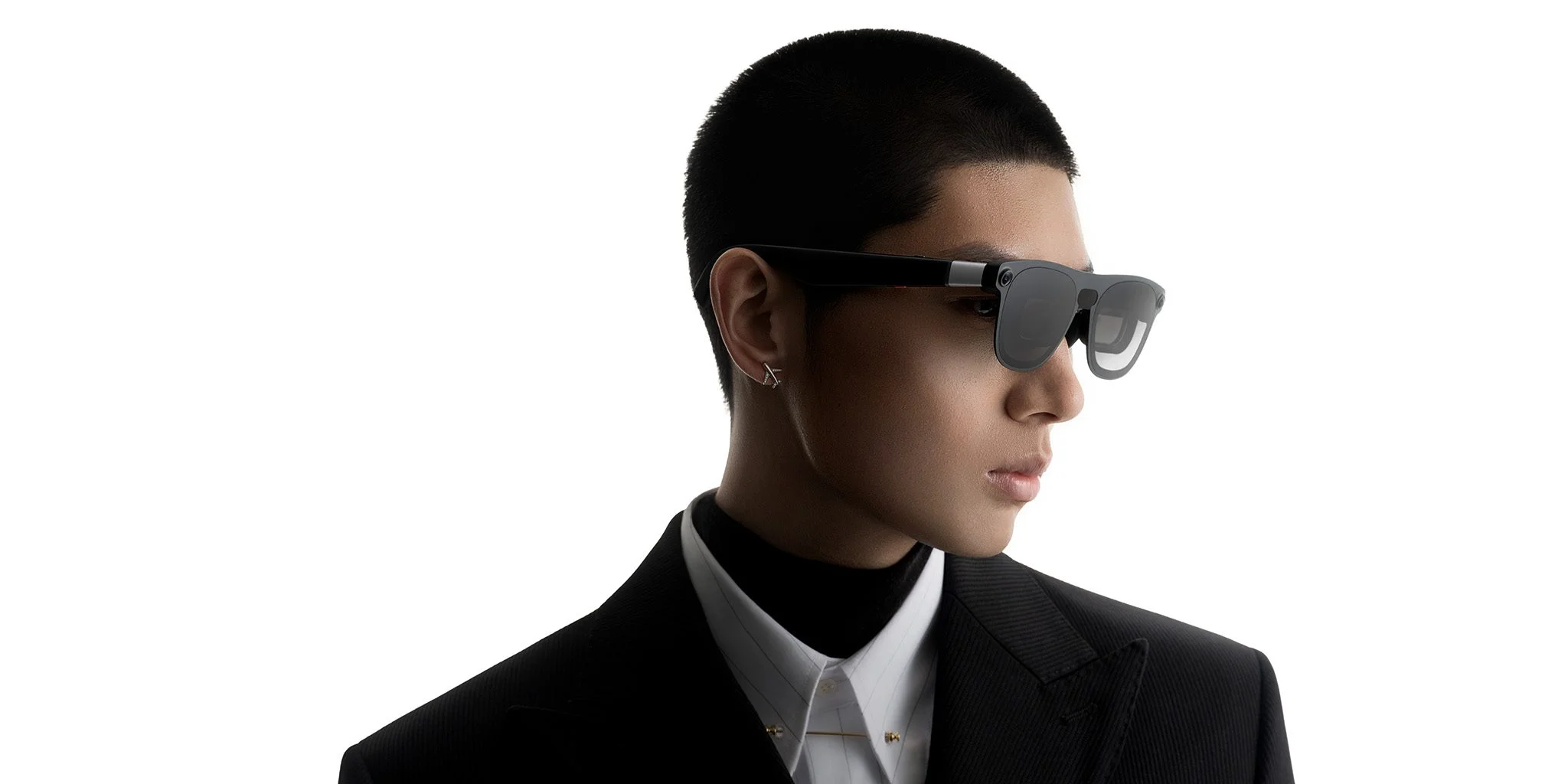
XREAL Aura’s strongest launch argument may be what happens when an app uses the room around you. Google’s Android XR platform brings more than 150 experiences to the glasses, combining familiar Android apps with software designed for spatial computing. That count gives Aura a sizable starting catalog, but the number alone says little about how often people will want to use these experiences. The more useful question is whether an app gains something from being placed in the room.
Sports that occupy the room
The NBA app offers a clear example. In its tabletop mode, a coffee table becomes a miniature basketball court, with player models moving in real time. You can change your viewing distance and inspect game statistics alongside the action, which turns a standard sports feed into something you can study from different angles. The experience shown in the video below was captured on Apple Vision Pro, but the account describes a similar version on XREAL Aura.
That kind of spatial presentation gives a familiar app a different role: the glasses become a personal viewing surface where the game can sit in your space. The appeal depends on more than the novelty of seeing a miniature court. Being able to move closer or pull back, while keeping statistics nearby, could make the experience useful for viewers who want to follow both the play and its details. But a tabletop view has to remain comfortable and clear over time; a clever demonstration won't carry an app if watching a full game feels awkward.
Android XR’s broad app support also brings names such as NASCAR, the San Francisco Ballet Company, Hulu, Netflix and Disney+ to Aura, with some services offering experiences tailored for XR. Those names signal range, though the presence of a streaming service doesn't automatically mean its XR version changes how people watch. Here's the thing: familiar content may help people understand why they'd put on the glasses, while purpose-built features will have to show why the glasses improve the experience.
New stories and strategy games
The launch slate reaches beyond existing apps. Fallout: Factions is a two-player strategy game that brings units from the series into a tabletop format. That format fits the social nature of a two-player game: the board can occupy a shared surface, while the glasses add digital pieces and activity to it. The concept also puts a practical burden on the interface. Players need to read the state of the game and make decisions without the spatial presentation getting in the way.
Project Hail Mary: Journey Among the Stars is an original mixed reality story set during the weeks Rocky and Ryland Grace spend trying to survive in space on their way to Eridani, filling in a stretch of the novel and film’s journey. That gives the experience a clear connection to an existing story while asking it to work in a different medium. The room can become part of the storytelling, but the result will depend on whether that added presence deepens the journey rather than simply placing more objects around the viewer.
Actor and director Andy Serkis is involved in Nevatars, an Android XR exclusive about a character artist’s abandoned digital creations. It will be free for its first six months. That introductory period lowers the barrier to trying it, but the longer-term value will depend on whether the story gives people a reason to return after the free window. An exclusive can give a platform a distinctive title; it can also limit where that title can be experienced.
Director Doug Liman’s Asteroid takes another route, blending cinematic storytelling with interactive play and live conversation powered by Gemini. The experience is exclusive to Android XR and free for XREAL Aura owners. This mix suggests an attempt to make a story responsive to the person watching, rather than treating the headset as a screen for a fixed film. And yet, live conversation is a demanding feature: it has to feel connected to the story, or it risks distracting from it.
Resolution Games adds two more recognizable names to the lineup. Demeo, the studio’s D&D-like strategy game, is getting a new port, bringing an established tabletop format to Android XR. Holochess turns chess into a real-time battle between Clankers and Xenoswarm on the tabletop in front of the player. The Android XR exclusive supports two players and is free to play; an additional faction costs $2.99. Holochess is also available on the Play Store.
That pricing and availability make Holochess easier to assess than some of the more elaborate story experiences: players can try the core game, with an optional faction available for a stated price. The game’s central idea is also easy to grasp. Chess already happens across a board; XR adds the spectacle of units fighting on it. This is more significant than it looks, because a strong spatial game needs to make its use of space legible as well as entertaining.
Spatial tools beyond entertainment
Simply Piano XR connects physical instruments with virtual ones, giving players a real-time way to practice while wearing the glasses. The pairing points to a practical strength of spatial interfaces: instructions and visual feedback can appear near the instrument, where a player can use them while keeping attention on the keys. If you're working in this space, that combination of physical action and digital guidance is a more revealing test of XR than another floating video window.
It also shows why a useful XR app doesn't need to replace a familiar activity. Piano practice already involves an instrument and a learner; the glasses can add guidance to that routine. The challenge is making the extra layer easy to follow without pulling attention away from the task. A helpful overlay. A distraction if it isn't.
What the launch catalog needs to prove
The range matters as much as the headline titles. Sports viewing, familiar streaming services, tabletop games, interactive fiction and music practice give developers several established formats to adapt for XR. With more than 150 experiences at launch, Aura’s early appeal will depend on whether these apps make the glasses feel like a practical new screen rather than a novelty. The catalog count is a starting point; the quality of the experiences, and whether people keep using them, will matter more.
That said, the lineup does offer a useful test of Android XR’s ambitions. Some apps place familiar content in a new setting, while others build interactions around a shared table, a physical instrument or a story that responds to the viewer. The difference matters: adding spatial effects to an existing app may attract attention, but apps that solve a clear viewing, playing or learning problem have a better case for becoming part of a routine.
What this means for you depends on how you expect to use the glasses. If you mainly want entertainment, the sports and streaming options will be the most relevant; if you want to play or practice, the tabletop games and piano app make a stronger case. Aura’s launch collection gives people several ways to find out. Whether those experiences justify wearing the glasses regularly is still the question the launch has to answer.
More on Android XR:
- XREAL Aura is coming in November with a $200 launch discount.
- Samsung reportedly confirms November launch for first Android XR glasses
- XREAL has set the perfect stage for Android XR
Follow Nick: YouTube, X (Twitter), Threads, Instagram