Instagram Tests 90-Minute Videos to Keep Creators and Viewers on the Platform
Instagram’s 90-minute video test is a bid to keep creators’ audiences—and the longer viewing sessions that can support advertising—inside its own apps. The feature, called “Features,” could give Instagram a stronger role in creators’ publishing plans, though Meta hasn’t committed to a YouTube-style revenue share.
A longer format, with no clear payout model yet
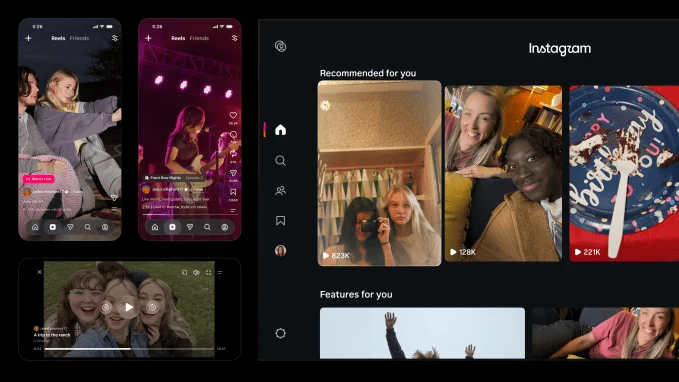
Instagram announced Monday that it’s testing uploads of videos up to 90 minutes long. The move gives the platform room for formats that short Reels can’t easily accommodate, after years of social platforms racing to make vertical clips the center of their video strategies.
That shift matters because Instagram’s creator earnings still depend largely on brands and fans. In an interview on the Colin and Samir Show, Instagram head Adam Mosseri said the platform has a small performance-based payment program, but it spends far more on that program than it earns back. In his words, “it doesn’t really make sense to scale up because we’re just burning capital.”
YouTube offers a more established model: creators in its Partner Program receive 55% of the ad revenue generated by their videos. The platform said it paid more than $100 billion to creators, artists, and media companies over the previous four years. Instagram and TikTok have struggled to match that approach with short videos, where limited space makes ad placement harder. For many creators, short-form accounts serve mainly to send viewers to longer work elsewhere.
Meta hasn’t said whether it will place ads in Features or share the resulting revenue with creators. A spokesperson told TechCrunch the company is exploring ways for creators to earn from brands, fans, and Instagram, including performance-based incentives. The answer leaves the central question open: whether longer videos will bring a dependable platform payout, or simply offer more room for sponsorships and fan support.
Reels remain the entry point
Instagram is pairing the new format with a way to turn excerpts into Reels. The “Clips as Reels” test lets creators make short clips from long videos; those Reels link back to the full video. Viewers can also save a longer video to watch through the Instagram app on a TV.
The design reflects Instagram’s practical aim: let Reels drive discovery while giving interested viewers a path to deeper content without leaving the service. Mosseri said he had resisted long-form video because short clips generate more shares and direct messages. Instagram VP of Product Tessa Lyons argued that viewers should be able to spend more time with creators they already follow. She helped persuade him to try the format again.
Instagram has tried long-form video before. It launched IGTV eight years ago, then shut the standalone product down. This test folds longer uploads into Instagram’s existing experience, alongside Reels and the TV app. Whether that makes the format useful to creators will depend on audience discovery and a workable way to earn from the extra viewing time.
Testing expands beyond video length
Features and Clips as Reels are being tested in Brazil, with a small U.S. test set to follow. Instagram is also developing better discovery for Live video and a creator-profile hub for episodic Reels: connected clips organized into a series, similar to TikTok playlists.
Mosseri described the goal as making short and long video “symbiotic,” with support across mobile and TV. The platform’s bet is that creators can use brief clips to reach viewers, then keep the most interested watching longer. For now, Instagram has laid out the viewing experience and its ambitions, but not the payment structure. That detail will determine whether Features become a meaningful publishing option or another way to promote work that creators monetize elsewhere.
Instagram’s test signals a broader product shift: short video may remain the discovery engine, while longer uploads give audiences a reason to stay. The next measure of progress won’t be video length alone; it’ll be whether creators can build audiences and earnings around both formats.