Google Fitbit Edge Review: A Repairable Fitness Tracker With Advanced Health Tracking
Review: Google Fitbit Edge
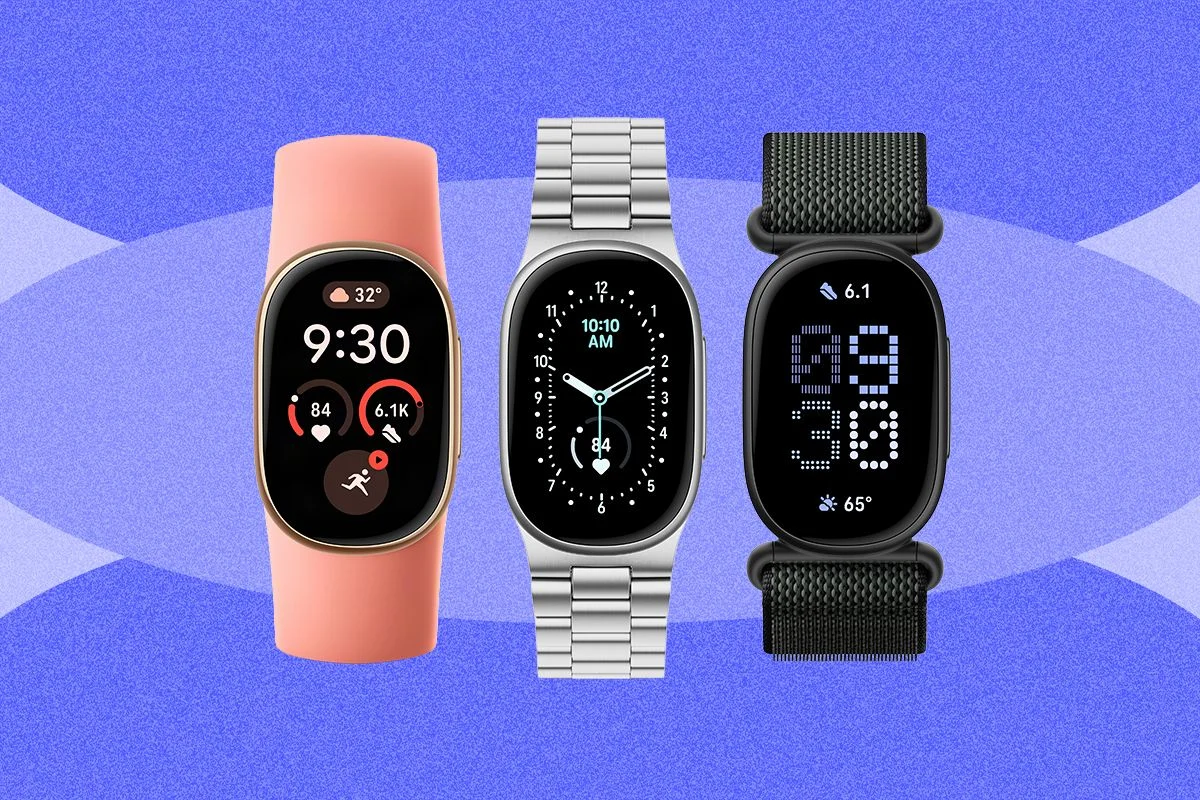
Google’s new Fitbit Edge fills a gap in the company’s screen-equipped trackers. It adds newer health and workout tracking, a brighter display with adjustable brightness, and a more durable, repairable design. After 12 days with it, I can see why Fitbit owners might want the upgrade. I’m still keeping my screenless Fitbit Air.
By Boutayna Chokrane · Gear · October 26, 2026, 2:49 PM
Rating: 7/10
WIRED: Google’s first repairable tracker; a larger screen with adjustable brightness; more advanced health metrics and workout tracking.
TIRED: The band can be fiddly to fasten; auto-pause can trigger too easily; there’s no Google Wallet.
A screen still has its perks
Earlier this year, the Google Fitbit Air changed how I think about wearing a fitness tracker. I’d assumed I wanted a display; after trying the Air, I started questioning that assumption. But plenty of people still want a screen, especially if their wearable also serves as an everyday smartwatch. Going screenless is a bigger adjustment than it might sound, and not everyone wants to make it.
Fitbit hadn’t released a new screen-equipped tracker since 2023. That left newcomers choosing between a screenless band and aging models whose hardware and health features were beginning to lag. The Edge matters because it gives those buyers a current option. That’s more significant than it looks: a tracker’s screen can make it easier to check information at a glance, even if you don’t need one for every workout.
At $180, the Edge sits between several Google wearables. It costs $20 more than the Fitbit Charge 6 ($160), $80 above the screenless Fitbit Air ($100), and well below the Google Pixel Watch 5 ($400). After testing the Edge, I’d recommend it to Fitbit owners ready to upgrade. For me, though, its improvements haven’t yet outweighed what I like about the Air.
A More Comfortable Fit, With Some Band Caveats
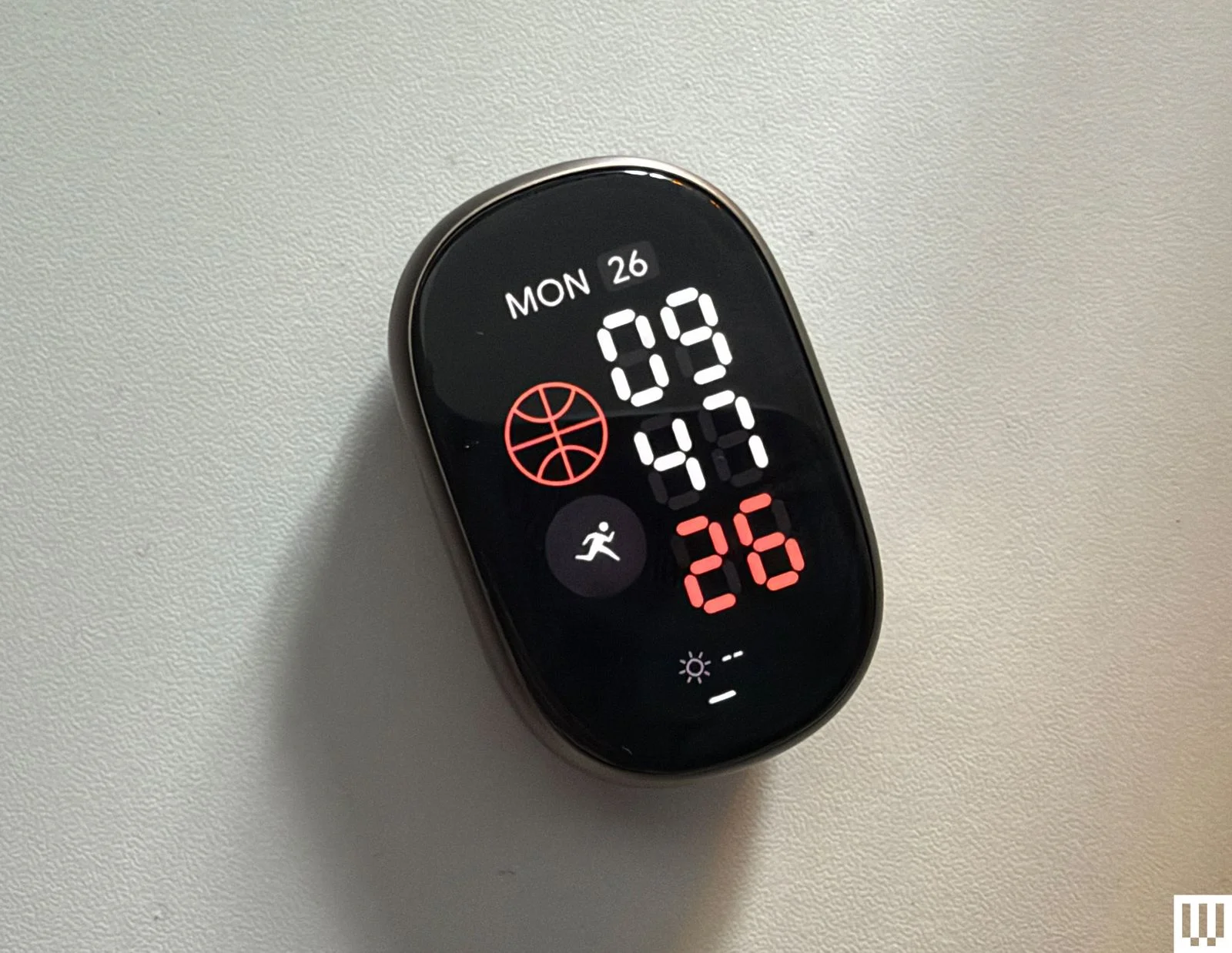
The Edge’s capsule shape makes more difference than its modest size increase suggests. At 39.2 x 25.5 x 11.5 mm, it’s slightly bigger than the Charge 6, which measures 36.73 x 23.09 x 11.20 mm, yet it sat more naturally on my wrist than the older tracker’s rectangular case. I could wear it all day and sleep in it comfortably. If you have slimmer wrists—or find a Pixel Watch or Apple Watch too bulky overnight—the Edge is an appealing fit.
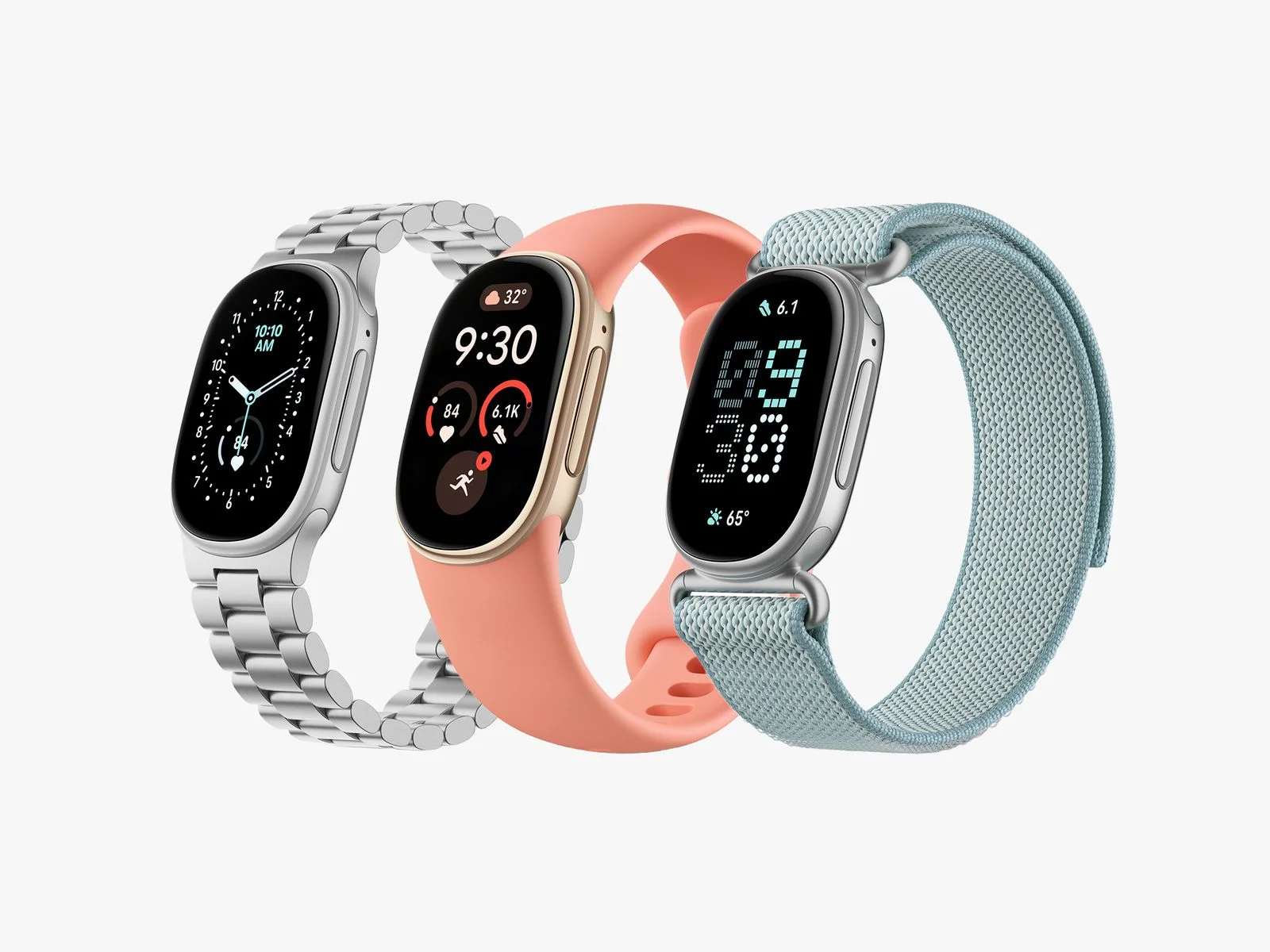
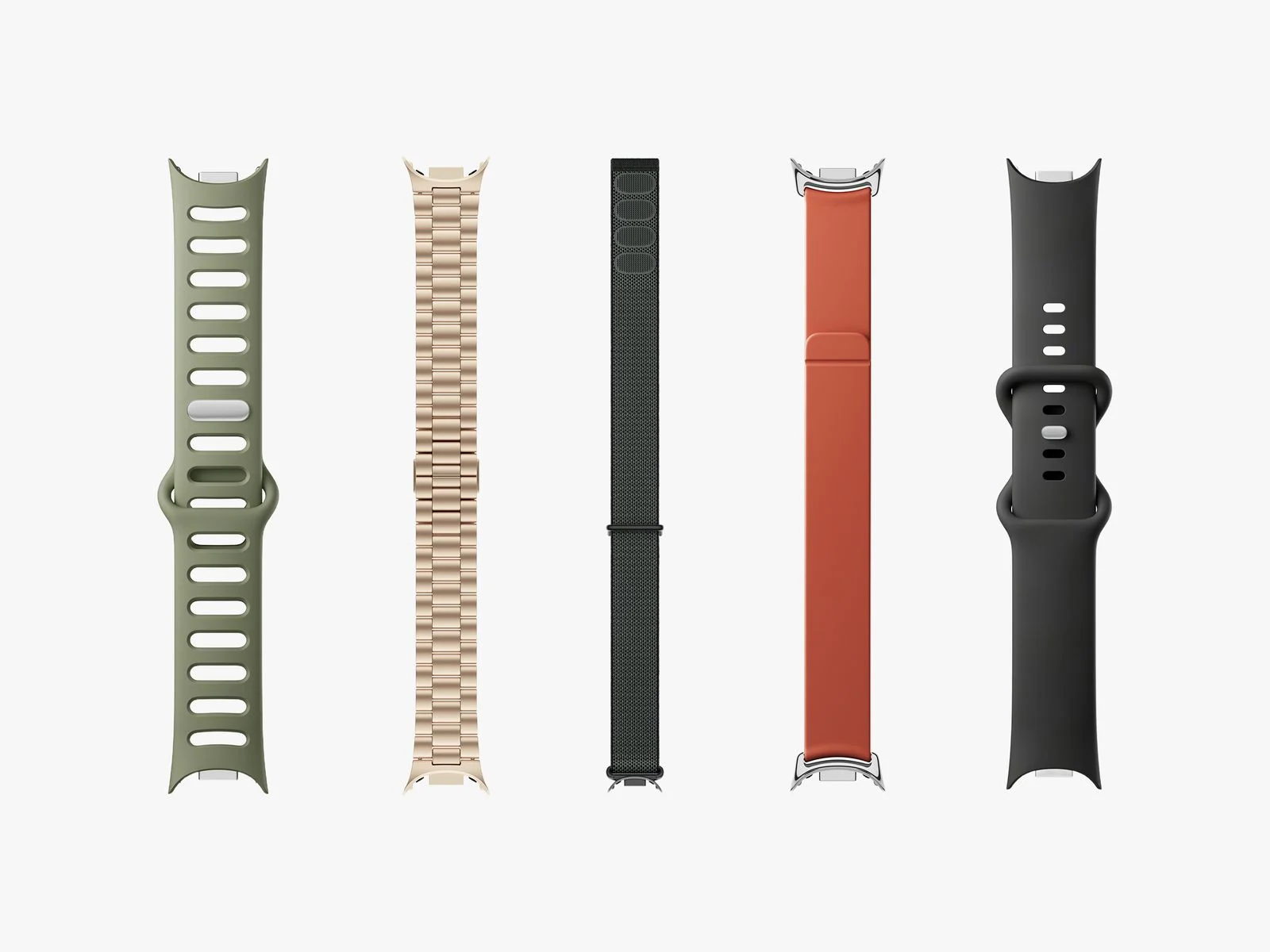
Band choice changes the experience. Google includes its Active Band, which worked well for workouts but wasn’t my preferred option. The alternatives are the HNBR Active Sport, made from high-performance synthetic elastomer; the breathable Performance Loop; the silicone Magnet band; and Metal Links. I gravitated toward Metal Links for evenings and more formal clothes, and the Performance Loop for daily wear.
The Loop’s fine adjustments make a precise fit easy to achieve, but the clasp gave me reason to pay attention. It sometimes came loose while I was adjusting it, though one side remained attached. I later found the locking button had jammed and had to work the mechanism free. That may have been a one-off defect, but a band fastening problem is hard to dismiss on a tracker you’ll wear during exercise and sleep.
A Useful Screen, and a Subscription Trade-Off
The Edge’s 1.34-inch display is its clearest advantage over the screenless Air. During runs, I could glance at workout stats and change music without breaking stride. It’s about twice as bright as the Charge’s maximum, which helped in direct sun, and Google Maps turn-by-turn directions let me keep a route on my wrist while running or cycling.
Fitbit’s watch faces look basic beside the more colorful Wear OS interface. The payoff is battery life: Google says the Edge lasts up to seven days, something the Pixel Watch can’t match. It also works with iOS as well as Android. And, for the first time in a Fitbit tracker, its modular design includes a replaceable battery, in line with the Pixel Watch. That’s likely connected to European Union battery rules taking effect February 18, 2027, which require removable and replaceable batteries in devices including smartphones and smartwatches.
There’s a catch in the software. Google Health Premium costs $10 a month or $100 a year, and many of the Edge’s deeper analysis tools and AI coaching sit behind it. Core metrics and scores remain available without paying, and new device buyers get a three-month trial, but the membership is central to the full experience. If you’re comparing the upfront price, factor in that recurring cost.
More Health Data, One Familiar Frustration
For health and fitness tracking, the Edge advances well beyond the Charge 6. It adds monthly blood pressure and insulin resistance trends, as do the Pixel Watch 5 and Air. SpO2 now includes nightly averages, ranges, and changes over time; other features include continuous heart rate tracking, cardio load metrics, and an updated ECG app that detects atrial fibrillation (AFib). Users who log nutrition and wear a continuous glucose monitor (CGM) can also see glucose insights.
Google has filled in some hardware gaps, too. The altimeter tracks elevation changes and floors climbed, and the Edge now carries an IP68 dust and water resistance rating. The screen can show live workout data and visual guidance. A new gyroscope improves automatic activity recognition, although my runs exposed a calibration problem: auto-pause and resume sometimes reacted to a single step when I was catching my breath. It’s manageable, but I had to correct the tracker’s judgment.
The Missing Feature That Holds It Back
The Edge drops contactless payments, a feature the Charge 6 had. That omission is a real step backward for anyone who wants a tracker to handle basic smartwatch tasks. I didn’t miss NFC much because I usually carry my phone, but there’s no clear reason for it to disappear.
Charge 6 owners will find plenty to like in the Edge’s larger screen, expanded health tools, and upgraded hardware. For newcomers, the case is less compelling: the Fitbit Air remains Google’s better value, while the Edge asks you to accept a subscription and the loss of NFC. It’s a capable fitness tracker, but those compromises make it harder to recommend as an all-purpose smartwatch.
| Specs | |
|---|---|
| Display | 1.34-inch AMOLED color display, with adjustable brightness |
| Battery | 65 mAh; up to seven days |
| Durability | 5 ATM and IP68 |
| Sensors | Altimeter, accelerometer, gyroscope; red and infrared sensors for oxygen saturation (SpO2), multipurpose electrical sensors compatible with ECG app, photoplethysmography (PPG) optical heart rate sensor, ambient light sensor, two dedicated temperature sensors (bottom wrist thermistor + display thermistor) |