Apple Publishes iPhone Duo Repair Manuals at Launch, but Parts Aren’t Ready
Apple’s decision to publish repair manuals for the iPhone Duo on launch day is a real change in posture. It’s also a change with limits: the instructions are public, but the genuine parts needed to follow them aren’t available yet.
That distinction matters because Apple spent years making independent repair difficult. It paired components to specific devices, kept repair tools within its authorized network, and fought right-to-repair legislation. The company’s history on repair makes a launch-day manual more than a routine support update.
I’ve covered enough of these fights to know a policy shift when I see one. The manuals appeared in October 2026, the same day the iPhone Duo went on sale. Apple has published instructions for roughly 20 to 22 components, including the displays, batteries, logic board, cameras and USB-C connector.

Detailed instructions are a meaningful change
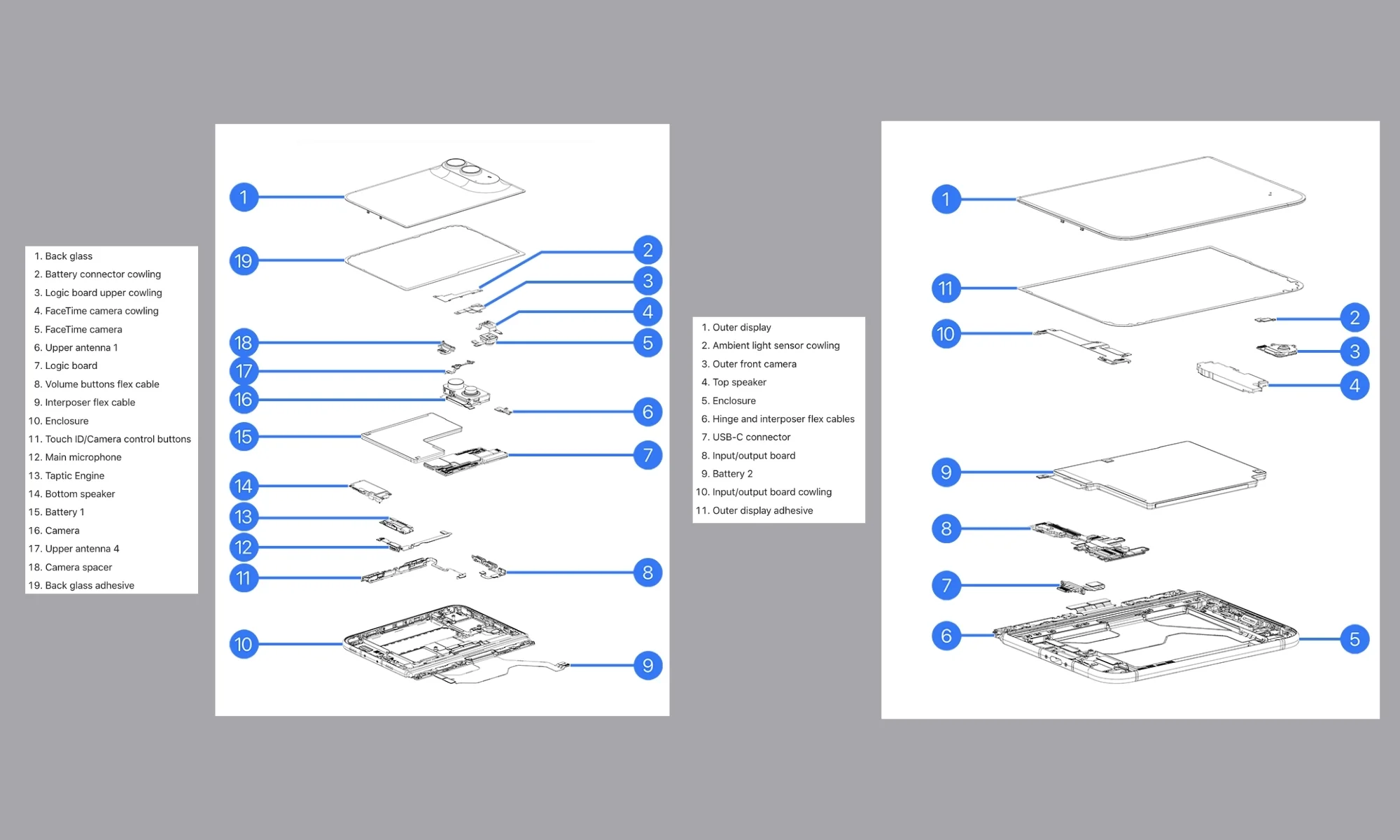
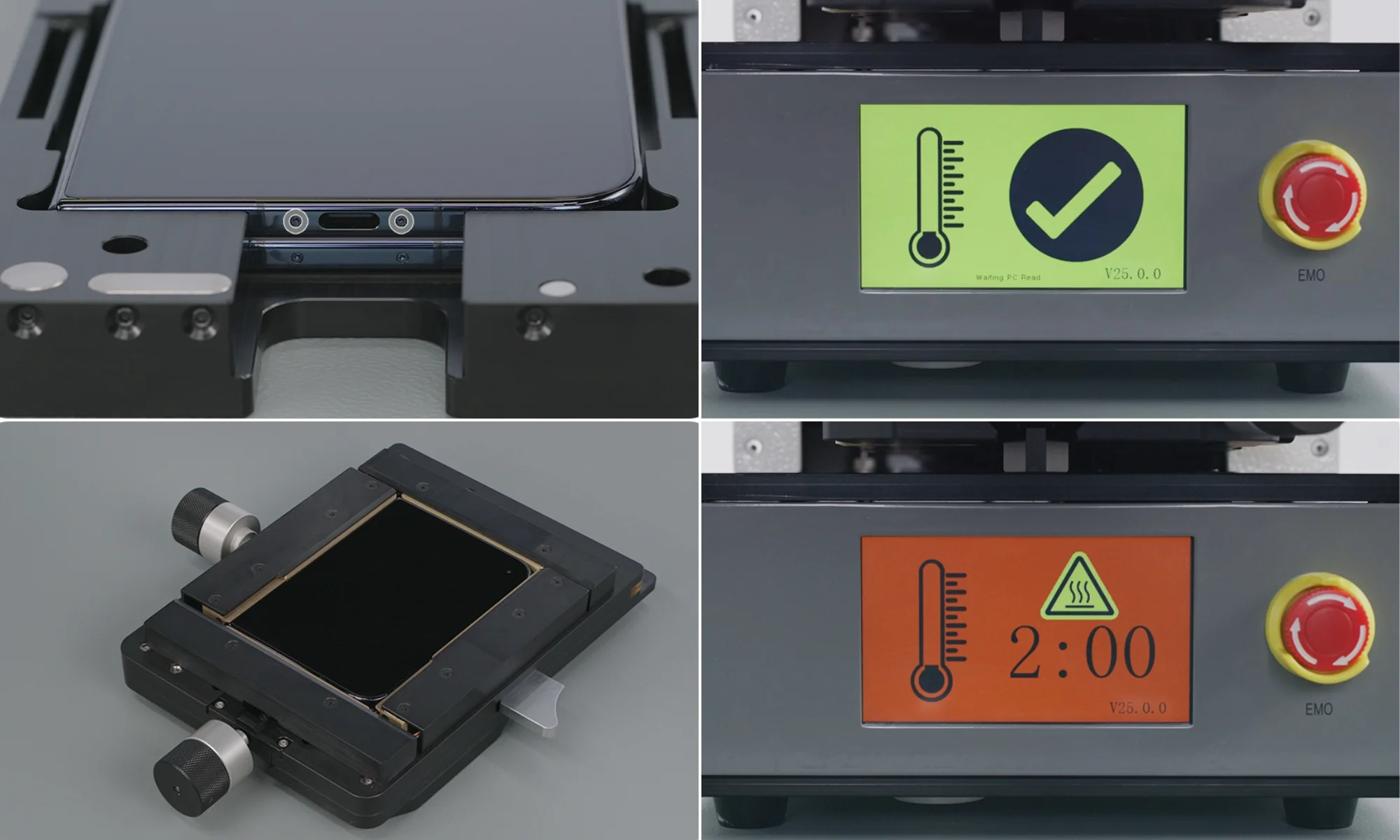
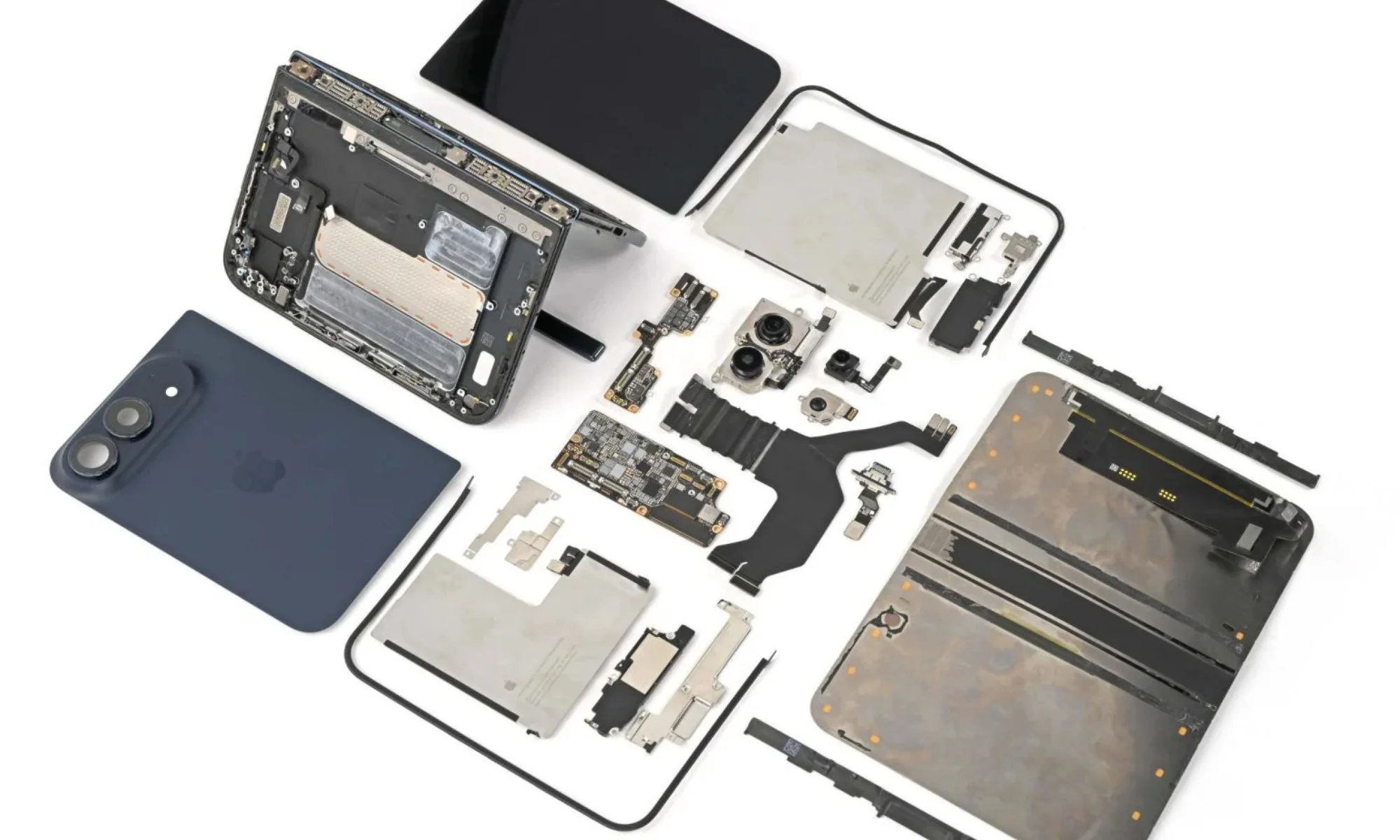
These aren’t just broad safety notes. The manuals include tool lists, diagrams, safety steps and videos covering jobs such as handling broken glass and working with the Duo’s dual-battery design. That’s useful information for a technician who doesn’t have access to Apple’s internal service network, as well as for an owner willing to attempt a difficult repair. Apple also says the manuals apply to the phone’s new dual-battery setup.
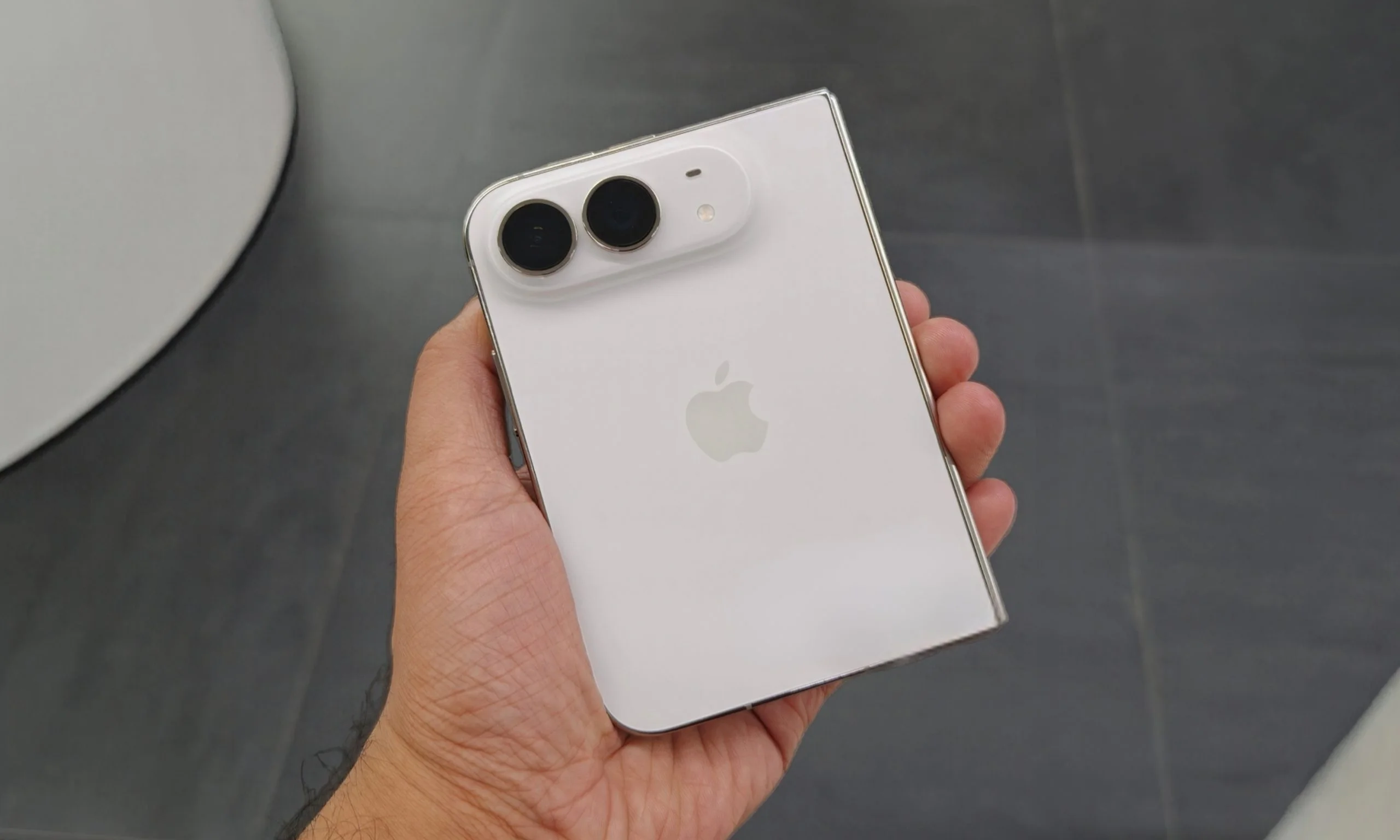
Here’s the thing: publishing instructions on launch day makes repair part of the product’s launch, rather than documentation that turns up later. That’s more significant than it may sound. The iPhone Duo is an unusually intricate foldable, with two displays, two batteries and a hinge made from more than a hundred precision parts.

The Duo’s repair problem is unusually costly
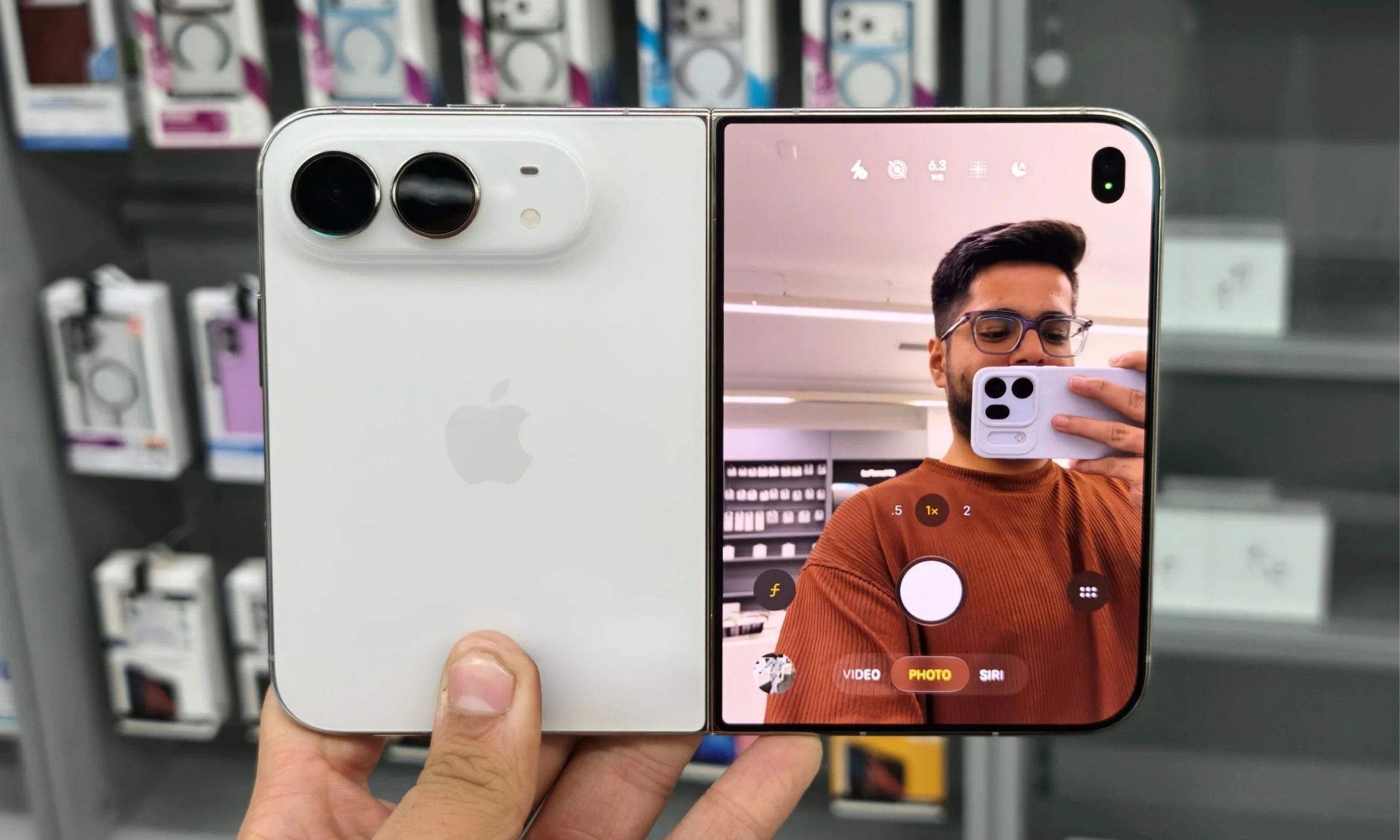
Early reports make the documentation more than a symbolic gesture. Several owners said the inner display cracked along the hinge after fewer than 20 folds; in one verified case in Australia, the failure came after six hours. Apple Stores replaced some phones under warranty. For an out-of-warranty inner-display repair, the listed cost is $999.
Official instructions could help independent technicians and determined owners tackle a repair that would otherwise be daunting. By self-repair, I mean both customers doing the work themselves and independent repair shops outside Apple’s authorized network—businesses that have historically struggled to obtain genuine parts.


The manuals arrived before the parts
That gap may be deliberate. When Apple launched the iPhone 18 Pro, self-repair parts showed up about a month later and became available through the Self Service Repair Store. The Duo’s parts haven’t appeared yet.
There’s a practical reason instructions can come first. Apple’s service engineers already produce repair documents for authorized technicians, so making those files public is comparatively quick and inexpensive. Genuine parts take more work: Apple has to manufacture them at scale, serialize them, stock them and distribute them across regions.
Regulation is part of the context. EU ecodesign rules, in force since June 2025, require repair information and parts to remain available for seven years after a product stops being sold. Member states were required to adopt the Right to Repair Directive by July 31, 2026.
I can’t establish that regulatory pressure prompted Apple’s move. Publishing manuals does let the company show progress while the parts are still out of reach, though, and that distinction deserves scrutiny. If the iPhone 18 Pro’s schedule is a guide, Duo parts might arrive around November 2026. That’s a forecast, not a confirmed date.
Apple has opened the repair door, but it still holds the keys
Apple’s move toward self-service repair matters, but it doesn’t hand customers control. The company still sets the prices, decides which parts it will sell, and requires repairs to pass its authentication process. Apple controls parts availability, pricing, and repair requirements—and the iPhone Duo shows how much that control shapes a repair.

The Duo’s hinge isn’t available on its own. If it’s damaged, the repair means replacing the full inner display assembly. Displays, batteries, and cameras also require serial-number pairing and Apple’s Repair Assistant steps; skip those and you may lose features or see warnings.
Parts catalogs don’t tell the whole repair story
Google has published repair manuals for its Pixel 11 family: the Pixel 11, Pixel 11 Pro, and Pixel 11 Pro Fold. iFixit sells genuine Google parts and tools, and provides free repair guides and software calibration tools.
Samsung also sells parts and publishes manuals for recent Galaxy S and Z Fold phones through its Self-Repair program and partners such as Encompass. Its Galaxy S26 parts catalog includes screens, back covers, speakers, charging ports, and buttons, with availability in multiple regions.
Still, a catalog doesn’t make a foldable easy to fix. iFixit gave the Galaxy Z Fold 8 and Pixel 11 Pro Fold provisional repairability scores of 4 out of 10. Both hinges pose major challenges, though the Pixel is easier to open.
During reporting for this feature, iFixit published a provisional score for the iPhone Duo: 5 out of 10. That puts it ahead of those two rivals and makes it, in iFixit’s assessment, the “most repairable foldable.” The lead is modest, but it strengthens the case for Apple to make genuine parts easier for more people to obtain.
Repair rights have spread well beyond phones
The shift reaches across consumer electronics. Roughly seven to nine major brands now offer some mix of repair parts, tools, or documentation in the U.S.: Apple, Google, Samsung, HP, Microsoft, Dell, Lenovo, and Asus.
And the policy fight has moved into agriculture. In July 2026, the FTC and several states required John Deere to provide farmers and independent technicians the diagnostic software and tools available to authorized dealers. Deere had also paid $99 million in an earlier class-action settlement. Regulators are increasingly treating software locks as antitrust concerns.
That progress didn’t arrive by corporate generosity alone. Right-to-repair laws in New York, California, Minnesota, Oregon, Colorado, Washington, Connecticut, and Texas have helped push manufacturers toward repair programs.
The fight has changed; it hasn’t ended
The striking part of Apple’s repair guides may be how little surprise they caused. What once took years of organizing, lawsuits, and legislative battles is starting to look like ordinary product support. That change says more about the movement’s progress than any single manual does.
Here’s the remaining problem: access still depends on affordable parts, usable repair and calibration tools, and whether manufacturers will sell the specific modules that fail. Apple has largely stopped arguing against repair in public, yet it retains control over cost, availability, and the parts customers can buy. The battle has moved from whether repairs are allowed to who gets access, at what price, and on whose terms.

RELATED COVERAGE:
- iPhone Duo is here. Let’s take a moment to appreciate the Galaxy Z Fold 8 and all the things it didn’t break
- Vivo X500 Pro Max first impressions: Vivo came to play, and the competition should be nervous
- The Oppo Find X10 is ridiculously stacked, and I haven’t even got to the cameras yet
- Two weeks with the iPhone 18 Pro convinced me these 9 accessories are worth buying