Apple May Bring OLED Touchscreens to the MacBook Pro

Apple’s rumored move to put a touchscreen on the MacBook Pro matters less as a spec-sheet upgrade than as a reversal of a long-held position. Touch laptops have been commonplace for years, but Apple has kept the feature off its Macs. The company has generally shown little interest in the touchscreen MacBook idea. Now, an October showcase could mark a change of heart.
The event is scheduled for October 28, 2026, at 10 a.m. PT (1 p.m. ET) in Los Angeles. Apple’s invitation calls it “Pro and Tell,” but this won’t be a conventional keynote or livestream: the company is inviting a small group of press and creators to try products in person. That format resembles Apple’s event for the MacBook Neo earlier this year. The announcement was covered in Apple’s event invite.
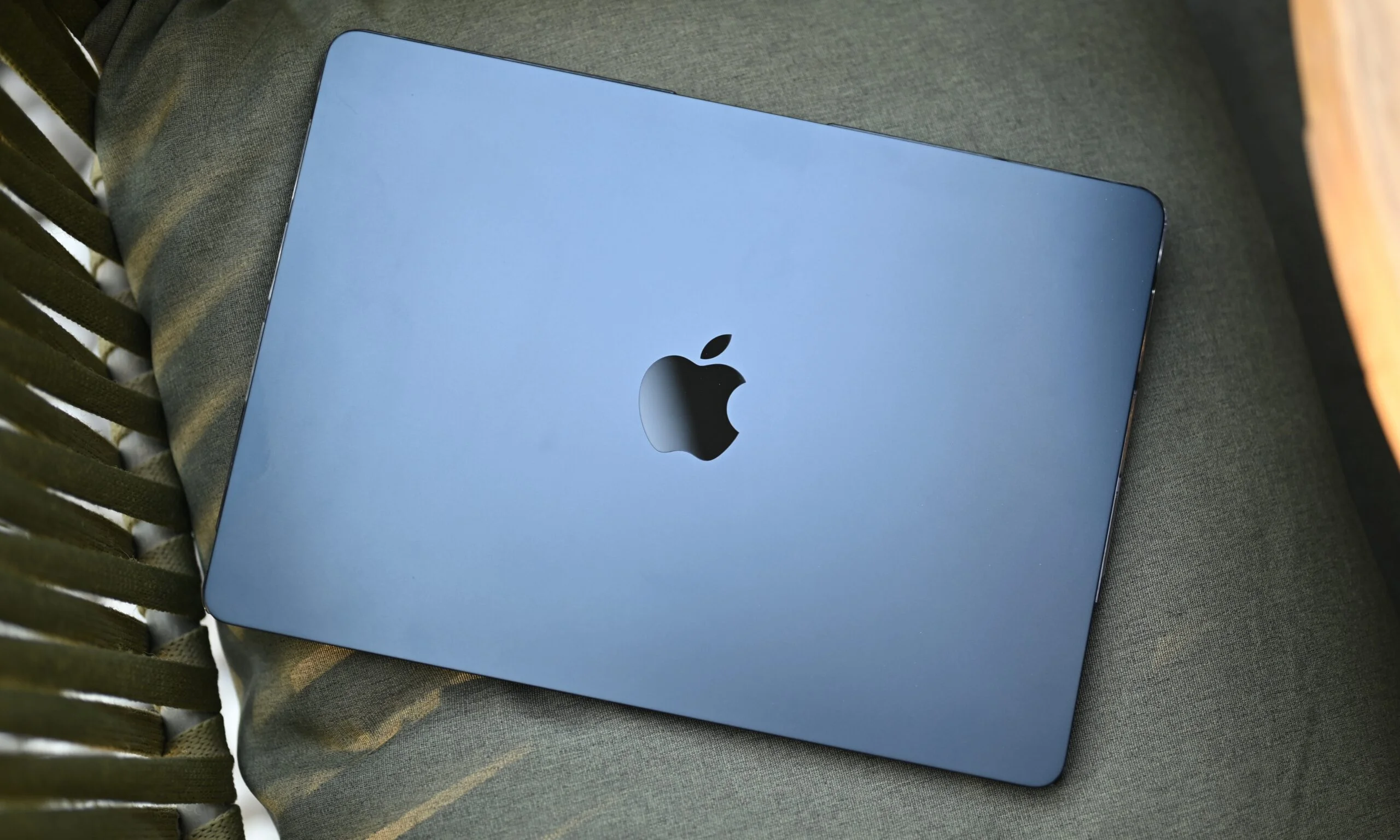
That distinction matters: Apple is expected to publish the product details through press releases rather than present them in a public live event. The company’s newsroom will be the place to check for official specifications. Until then, the product list is still a matter of reports and rumors. Here’s the most plausible picture based on what’s circulating, including reporting from established sources.
What may be announced on October 28
| Possible product | Reported or expected details | Estimated price |
| 14-inch touchscreen MacBook Pro | OLED touch display, possibly Dynamic Island, M5 Pro chip | $2,800–$3,000 |
| 16-inch touchscreen MacBook Pro | Larger OLED touch display, possibly Dynamic Island, M5 Max chip | $3,300–$3,500 |
| 14-inch entry-level MacBook Pro | M6 chip; current design, without OLED or touch | Around $1,999 or more |
| 24-inch iMac | M6 chip, new colors, Wi-Fi 7 and Bluetooth 6 | Unknown |
| iPad mini (8th generation) | Already announced: OLED screen, A20 Pro chip, Acoustic Display speakers and IP67 rating | $699 Wi-Fi; $849 cellular |
The headline product: a touchscreen MacBook Pro
14- and 16-inch models
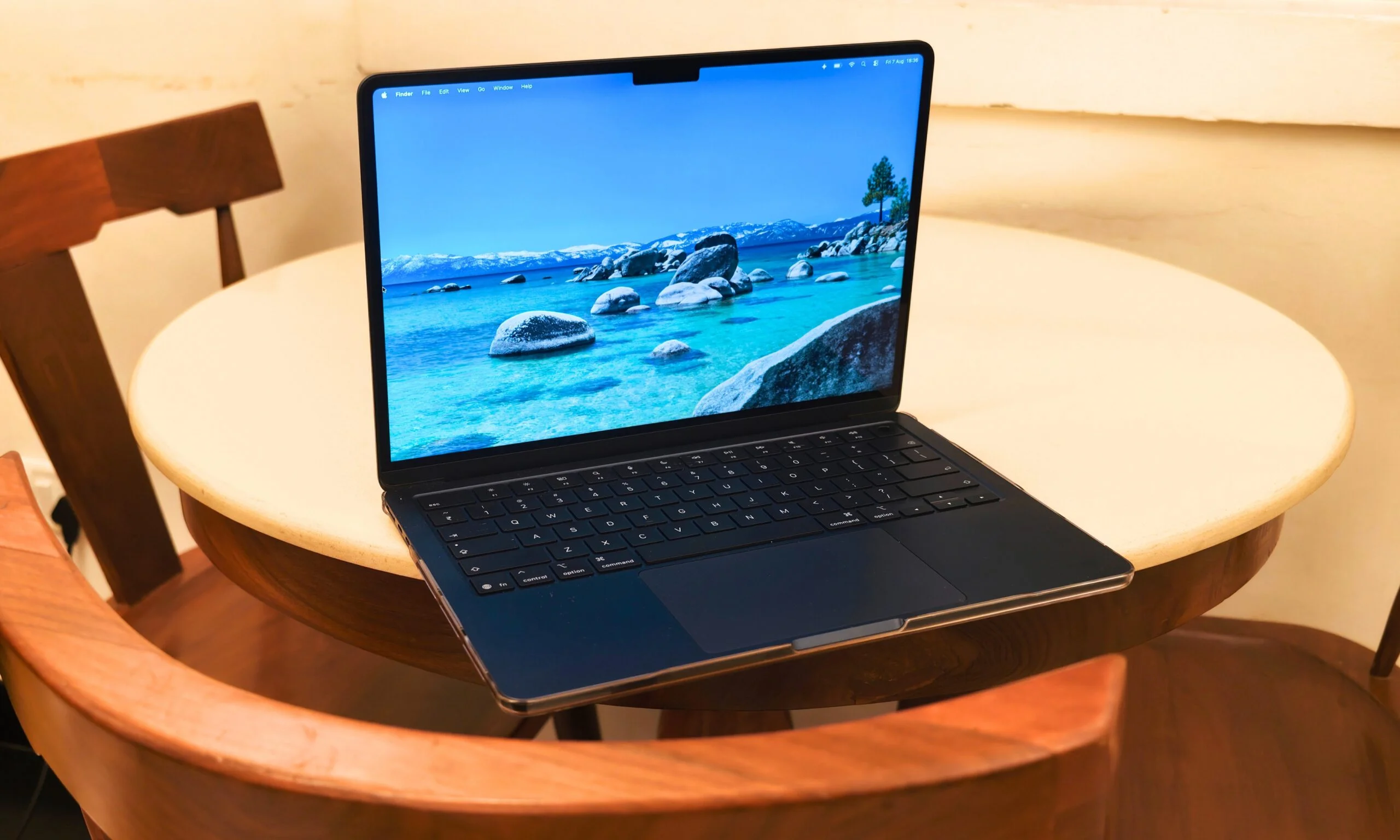
The touchscreen MacBook Pro is the story to watch. Bloomberg’s Mark Gurman, writing in his Power On newsletter, reports that Apple is preparing 14- and 16-inch models with OLED panels and touch input. That would make these the first Macs with either an OLED display or a touchscreen. OLED’s deep blacks and strong contrast would be a notable display upgrade; the touch layer would be the more consequential change to how people use a Mac.
The expected MacBook Pro update could also replace the familiar notch with a Dynamic Island, the pill-shaped feature used on recent iPhones, potentially bringing live activity and alert information to the laptop. Reports also point to thinner, lighter machines. That part sounds more believable than some of the more ambitious speculation, though none of it is confirmed.
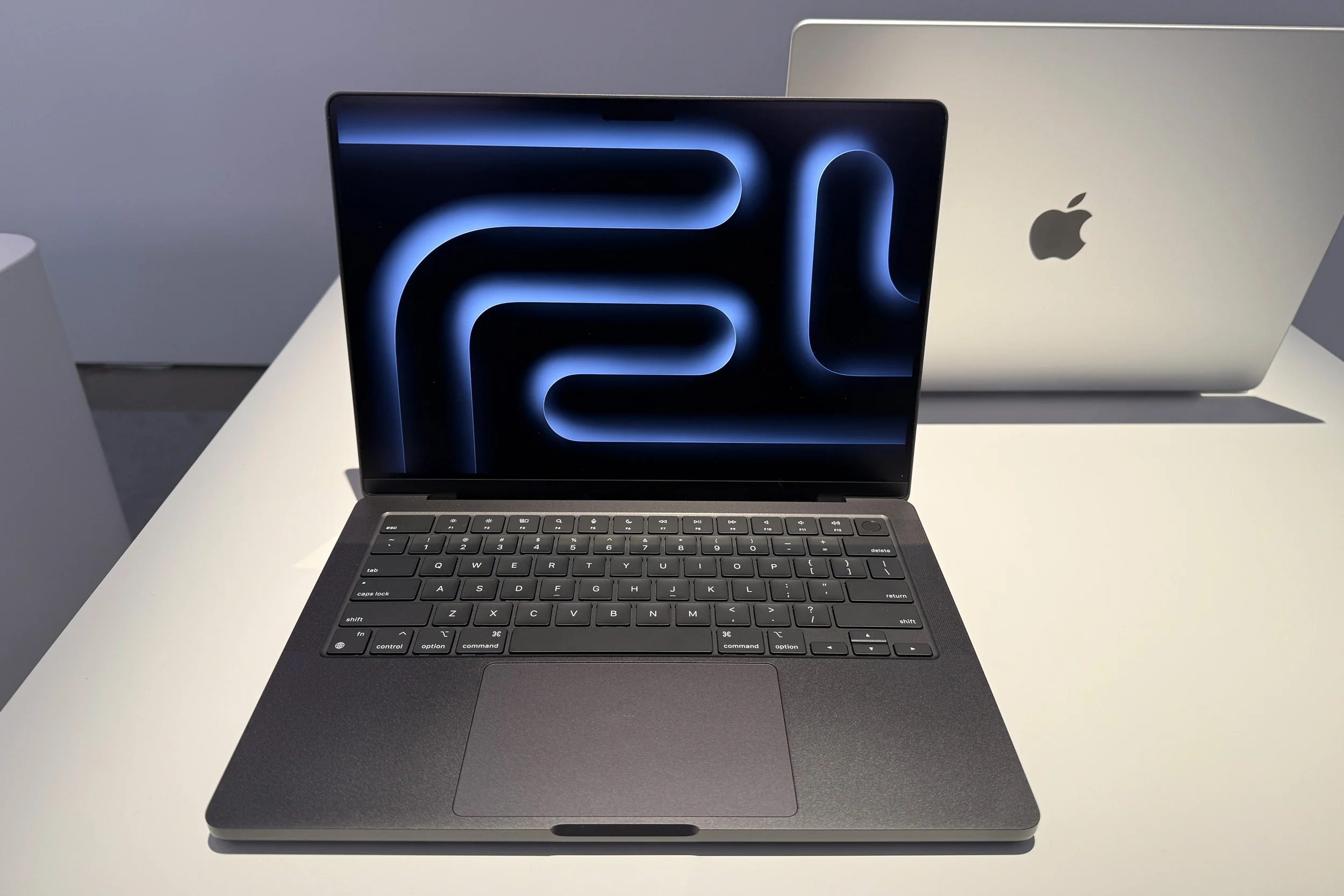
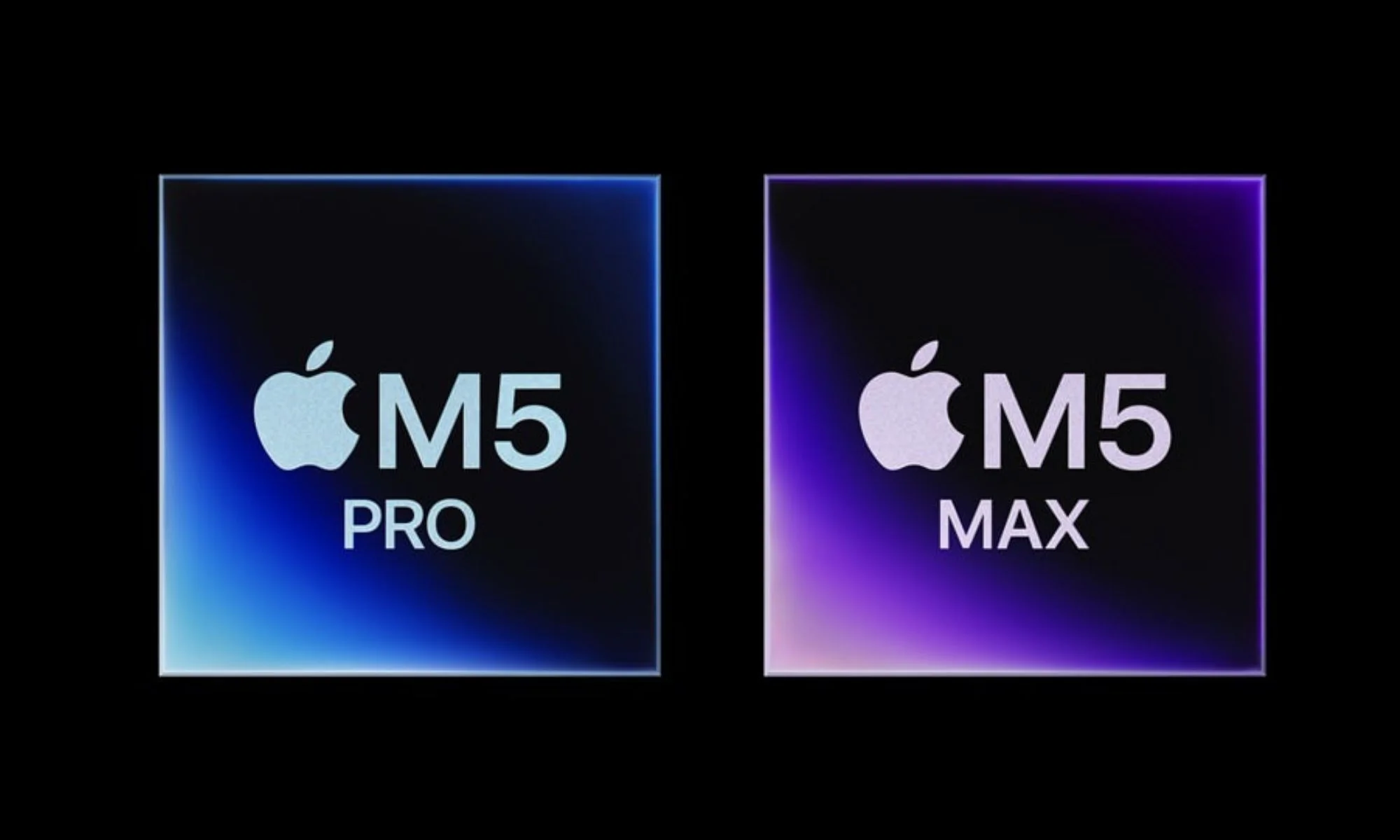
There’s a less exciting wrinkle on the processor front. Apple is reportedly holding back the M6 Pro and M6 Max for a later launch, which would leave these higher-end laptops with the M5 Pro and M5 Max chips introduced in March 2026. In other words, the main draw may be the display and design, not a new performance tier. The existing M5 Pro and M5 Max MacBook Pro models already offer the relevant chips.
The likely price premium is hard to ignore. Apple’s 14-inch M5 MacBook Pro, configured with 16GB of unified memory and 1TB of storage, starts at $2,499; the 16-inch M5 Pro model with 24GB of unified memory and 1TB costs $2,999. Rumors suggest touch versions could add $300 to $500, putting the smaller model around $2,800–$3,000 and the larger one at $3,300–$3,500. Those figures remain estimates, but the premium seems likely.
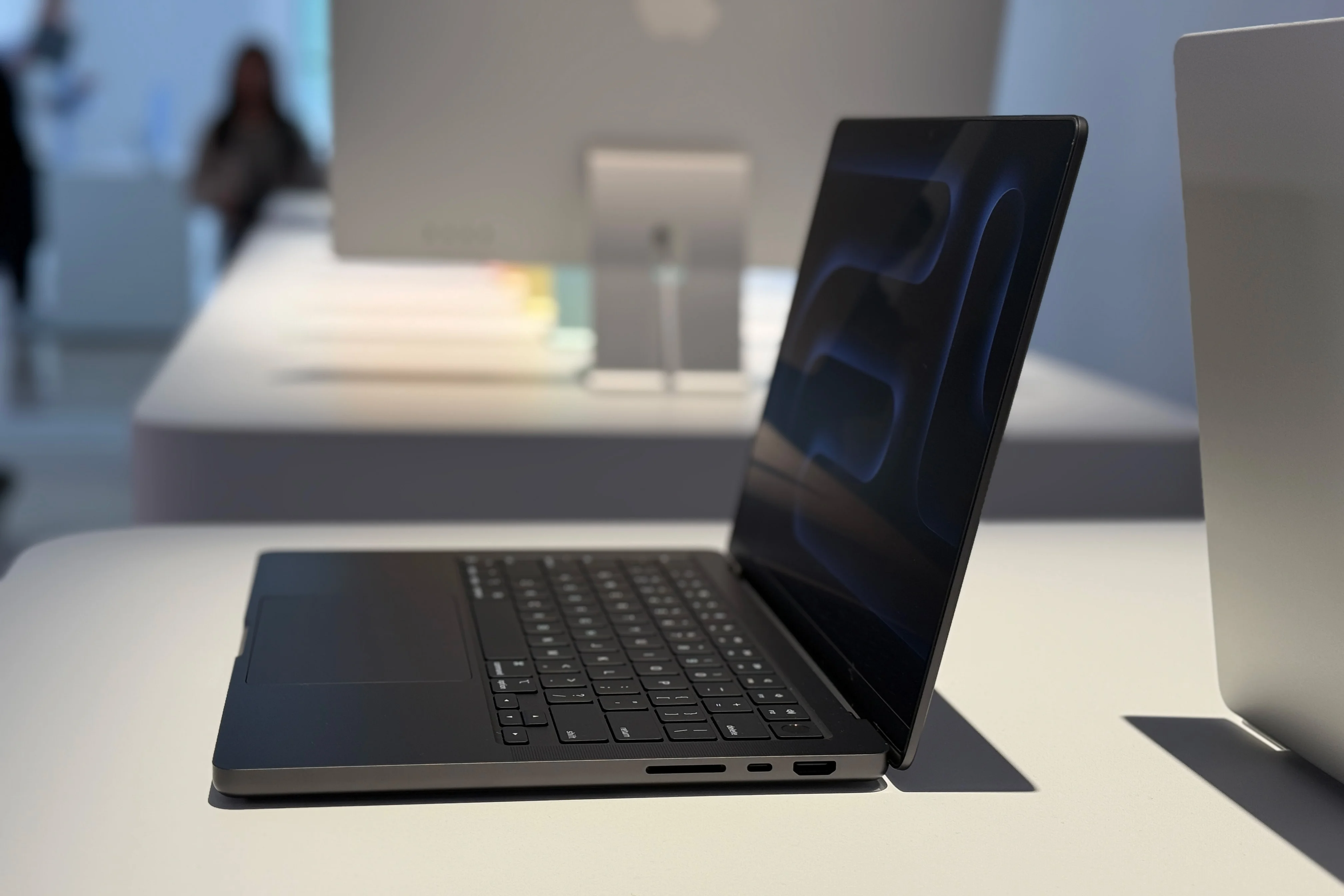
For buyers, the bigger question is how Apple packages the touch display. Will it be an option across processor and storage configurations, or reserved for expensive top-tier machines? The difference could push the real entry price well above the rumored estimates. And there’s an internal story behind the product, too: Gurman says CEO Tim Cook and John Ternus support touchscreen MacBooks, while Apple’s industrial design team has opposed them. It’s not entirely clear what changed, but that reported divide hints at a significant shift in the company’s thinking.
A more affordable MacBook Pro may get the M6
Not every MacBook Pro buyer wants a touch display—or a price approaching $3,000. Apple may also refresh the entry-level 14-inch model, keeping its current design and leaving out both OLED and touch while upgrading it to the M6 chip, according to reports about the baseline MacBook Pro.
Apple put the M6 chip in the Mac mini in September 2026. A MacBook Pro would therefore be the first laptop to use it. That’s a practical upgrade, but beside OLED touchscreens and a possible redesign on the premium models, it could feel like the quietest announcement of the bunch.
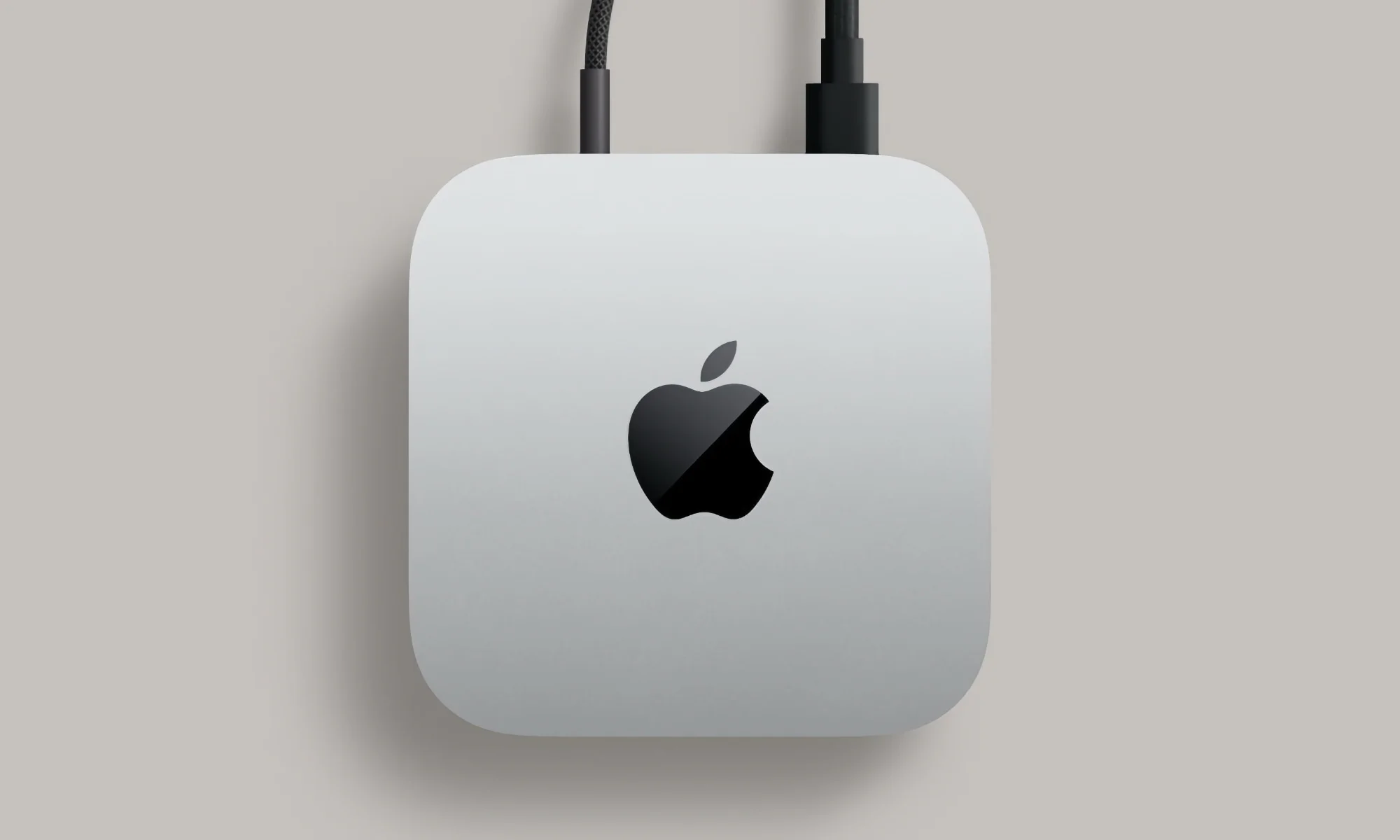
The most revealing thing about Apple’s October 28 event may be how ordinary its Mac updates look. That could be exactly what buyers want: a practical refresh with no need to chase a dramatic redesign. Apple may announce the model on Tuesday, October 27, 2026, leaving Wednesday’s spotlight for the touchscreen MacBook Pros. Pre-orders are expected to open after the announcement, with sales starting November 6 alongside the rest of the lineup.
Price is where a routine chip upgrade could get complicated. Apple’s 14-inch MacBook Pro with the base M5, 16GB of unified memory and 1TB of storage now costs $1,999, following a $300 increase in June 2026. The M6 version could hold at that price, or Apple could raise it again. The announcement will settle the question; until then, the numbers offer little reason to assume the upgrade will be cheaper. Apple raised the price of its products by hundreds of dollars.
A chip refresh for the iMac, with familiar limits
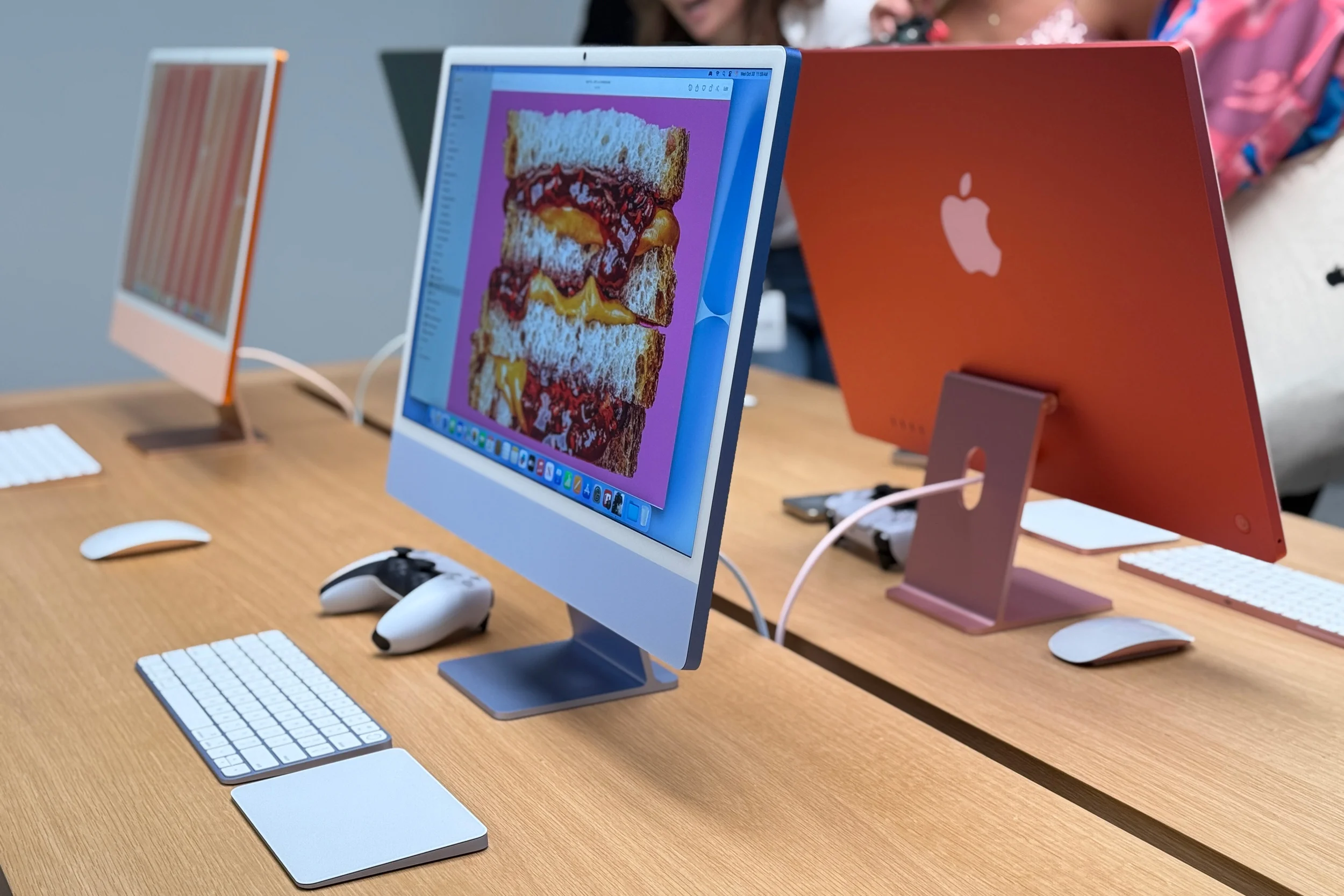
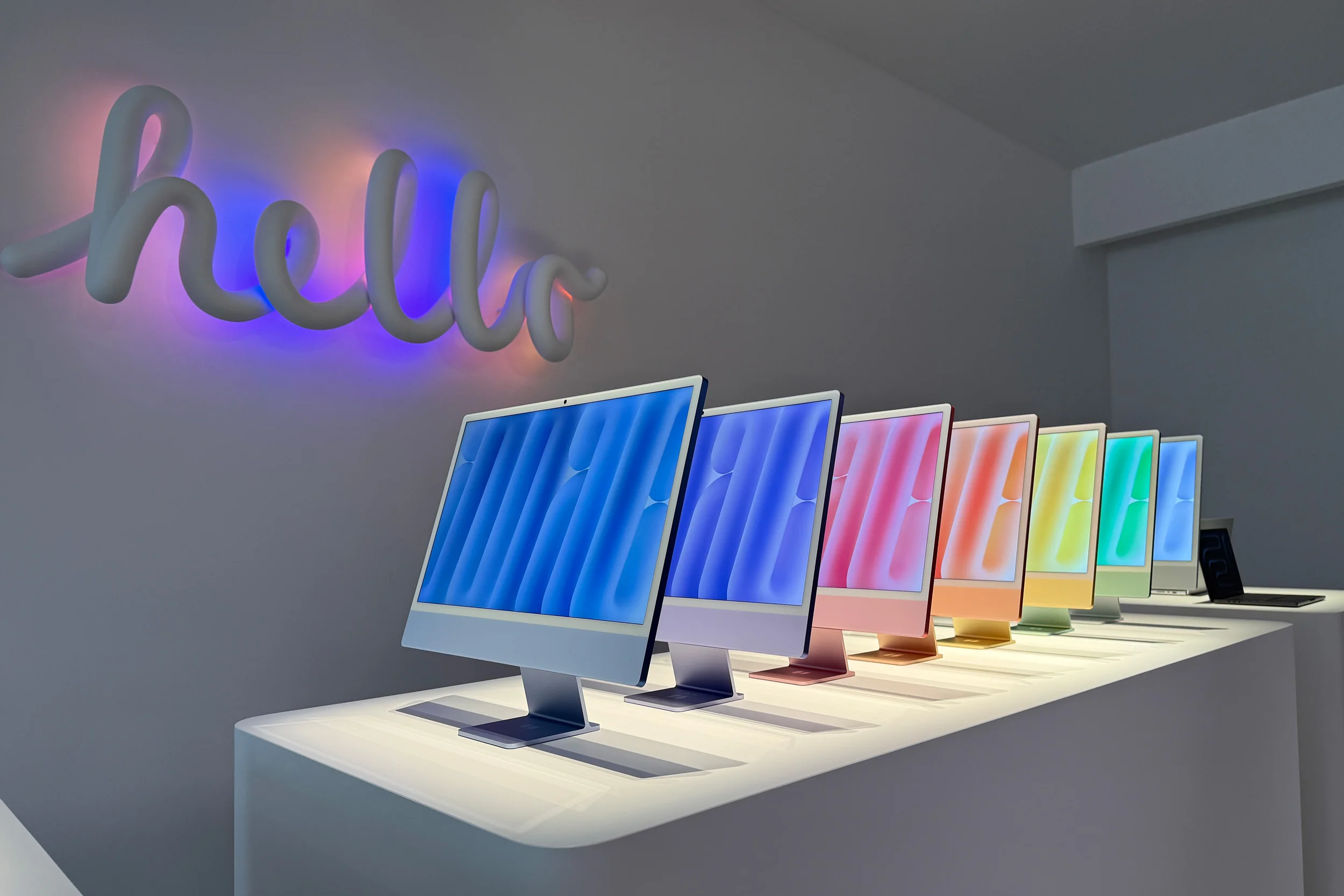
The iMac has gone without an update since Apple brought out the M4 version in 2024. The rumored 2026 model is expected to keep its 24-inch design and add an M6 chip, with new colors as the visible change. Apple already sells the iMac in seven shades, so fresh options may amount to different tones rather than a wider palette. Think of the darker-to-lighter color shifts Apple used between the iPhone 16 and iPhone 17.
The connectivity could be a more meaningful addition: the new iMac may support Wi-Fi 7 and Bluetooth 6. But don't expect the screen itself to change much. An OLED iMac is reportedly still years from shipping, so anyone waiting for a better display may be waiting a while. Apple raised the M4 iMac’s price in June, and there’s little here to suggest the M6 model will undo that.
Apple’s M4 iMac arrived in 2024.
The iPad mini has already taken its turn
There was room for a new iPad mini in this roundup until Apple made it official on Monday, October 26, 2026. The eighth-generation model is the biggest overhaul the small tablet has had in recent generations. Apple has replaced its LCD with a larger OLED panel, though it tops out at 60Hz, and swapped the edge-mounted speaker vents for Acoustic Display speakers built into the screen. The new iPad mini brings speakers into its screen, an A20 Pro chip and IP67 protection.
The tablet runs Apple’s A20 Pro. There’s a catch in the chip lineup: the six-core version is limited to the 512GB model. The 6-core A20 Pro is available only with 512GB of storage.
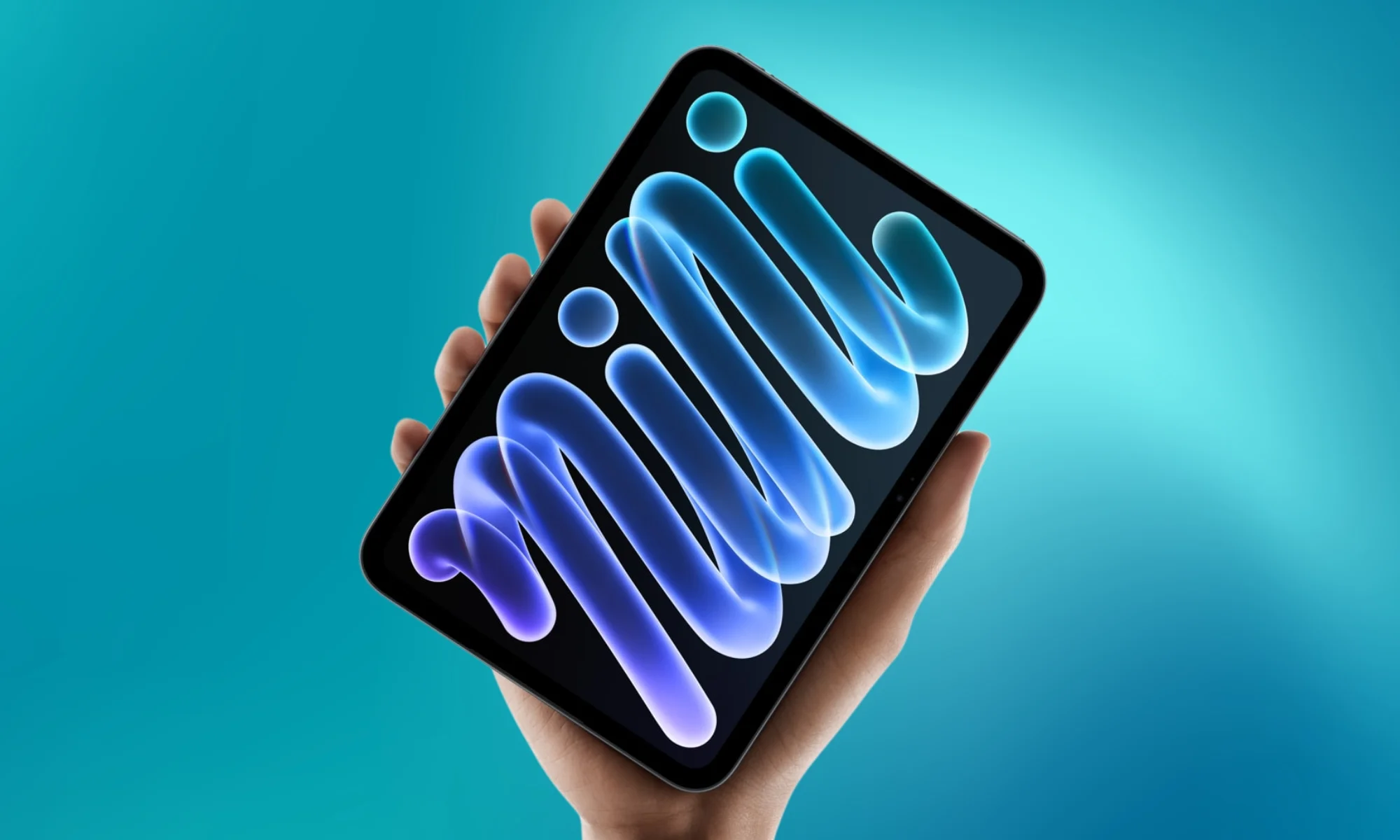
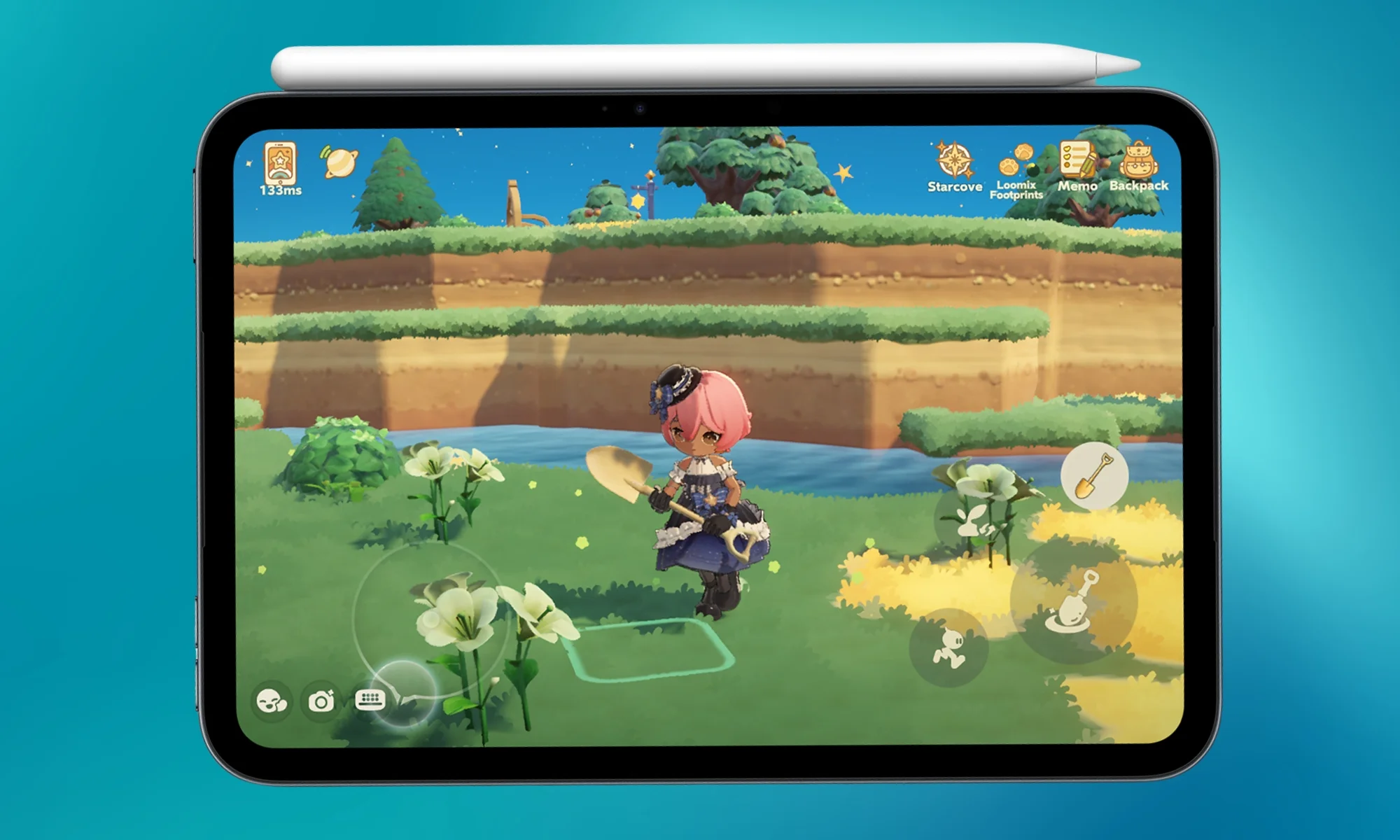
There’s more: the mini gets a landscape camera, Apple’s N1 chip with Wi-Fi 7 and Bluetooth 6, support for Apple Pencil Pro, and an optional nano-texture etched glass surface to reduce glare. It also becomes the first iPad with an official IP67 rating.
The price is the harder part to swallow. Wi-Fi starts at $699, while cellular costs $849. That’s up from $599 earlier in 2026 and $499 when the previous model launched in 2024.
What Wednesday probably won’t bring
Apple’s September launch already introduced the iPhone 18 Pro, the iPhone Duo, new Apple Watches and AirPods. Then the October 13 “Welcome Home” event turned to smart home products: the HomeView hub, HomePod mini 2 and a new Apple TV 4K.
Some tablet updates appear to be waiting until next year: a new base iPad, an OLED iPad Air and a new iPad Pro. That leaves Wednesday’s Mac announcements with a fairly clear shape. Expect familiar machines with faster chips, perhaps one genuinely unusual idea in a touchscreen MacBook Pro, and prices that may keep climbing.
If you’re shopping for a MacBook Pro, wait to see Apple’s actual pricing before deciding. Anyone buying for raw speed should also compare the new models with today’s M5 Pro and M5 Max machines, which are expected to offer much the same performance for less.
RELATED COVERAGE:
- Apple quietly hopes to end the gizmo right-to-repair war. The iPhone Duo is the latest specimen.
- iPhone Duo is here. Let’s take a moment to appreciate the Galaxy Z Fold 8 and all the things it didn’t break
- The iPhone Duo has developers going wild, and I’m loving their creations
- The next MacBook Air could arrive early next year, but OLED will have to wait