Founders shouldn't have to learn the hardest lessons the hardest way. TechCrunch Founder Summit is designed to make the challenges of starting a company easier and the highs that much greater.
AI models are increasingly taking on work that extends far beyond a single prompt: building a feature across a codebase, investigating a complex issue, synthesizing hundreds of pages of information, o...
Anthropic has released its latest AI model with Claude Opus 5.5. The new version arrives about two months after the previous Opus model upgrade, matching Anthropic’s previous upgrade cadence. more…
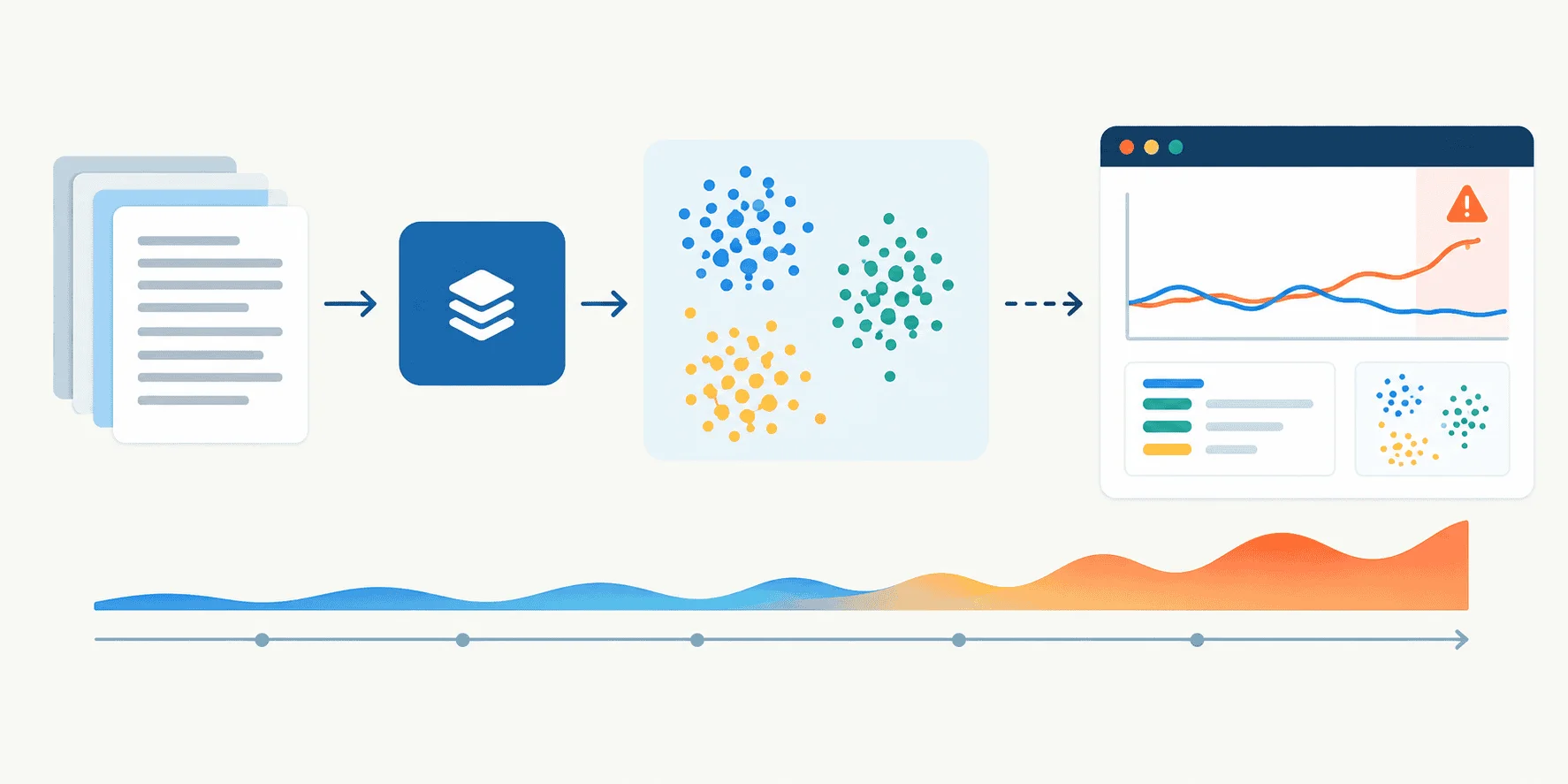
In this article, you will learn what embedding drift is, why it matters for production large language models, and how to implement two practical techniques...
In April, I wrote about what I called the Cyber AI Parity Window. This is the rare period in which defenders and adversaries gained access to the same transformative technology at roughly the same mom...
At the end of August, we announced our first Maintainers in Residence, Rust Project contributors who are funded for their upstream contributions and maintenance work from the Rust Foundation Maintaine...
Two separate reports of security flaws in OpenAI systems highlight how even a company spending billions on developing its own AI-powered cybersecurity testing tools remains vulnerable. In one incident...
The surge in AI development has created unprecedented demand for compute capacity around the globe. This can have negative implications for data processing and pipelines with Apache Spark. Whether you...
When running modern AI workloads, there’s often a conflict between performance and cost. Workloads like large language models (LLMs) load massive files, and may serve thousands of AI agents that need ...
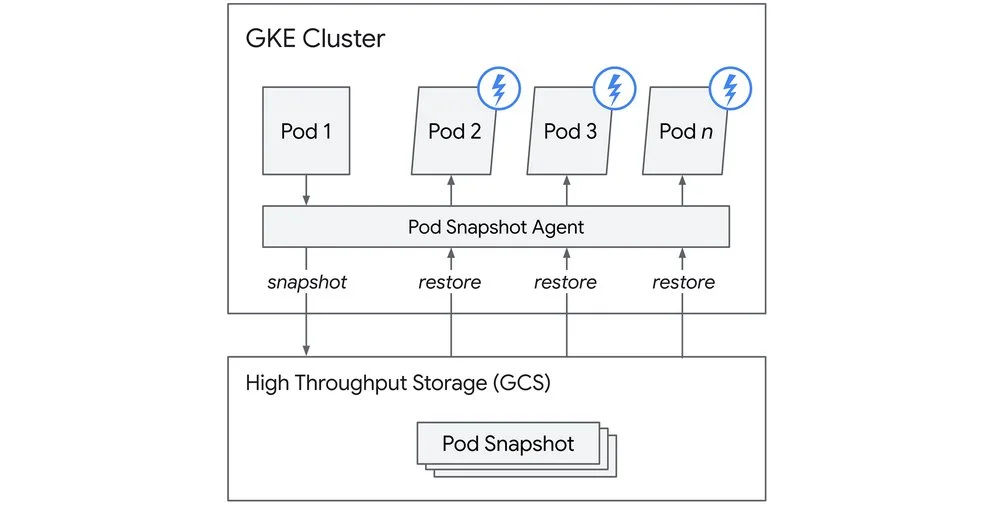
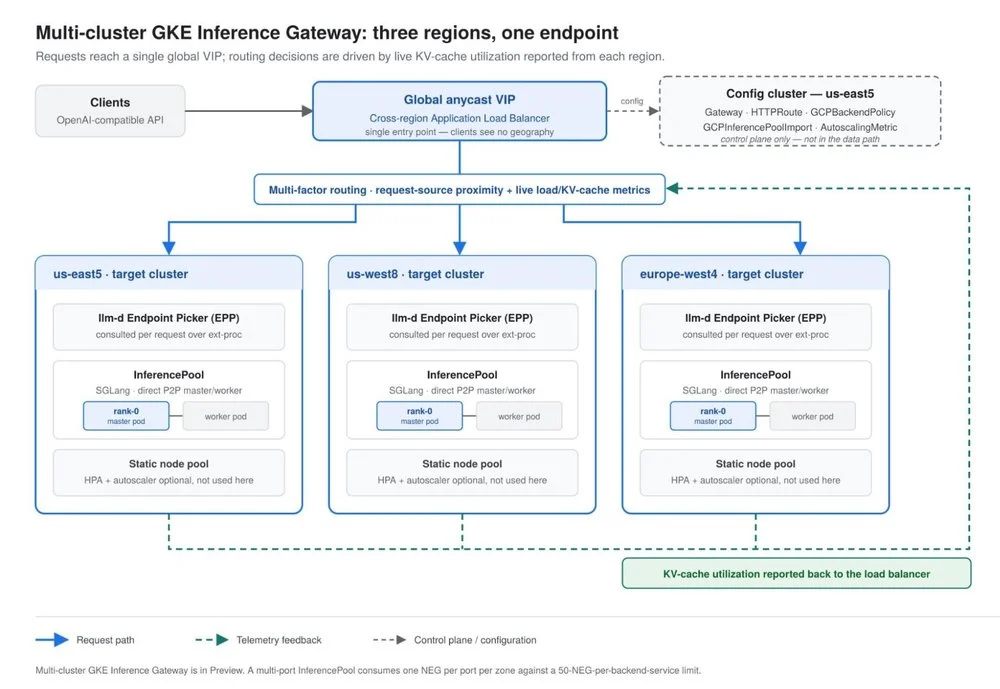
Demand for AI infrastructure is at an all-time high. Global accelerator shortages mean engineering teams can rarely get all the compute they need from just one data center — capacity comes a cluster h...
Multi-agent AI systems are taking over supply chain execution as enterprise networks face diminishing returns from static dashboards, pushing logistics directors towards autonomous execution. Predicti...
We spent 15 years filling our phones with apps. AI could make almost all of them invisible... and the death of apps may already be closer than anyone realizes.
Readiness tagging for AI, always-on observability, and coordinated kill switches at the application layer give enterprises a defensible route to scaling agents while keeping authority in human hands. ...
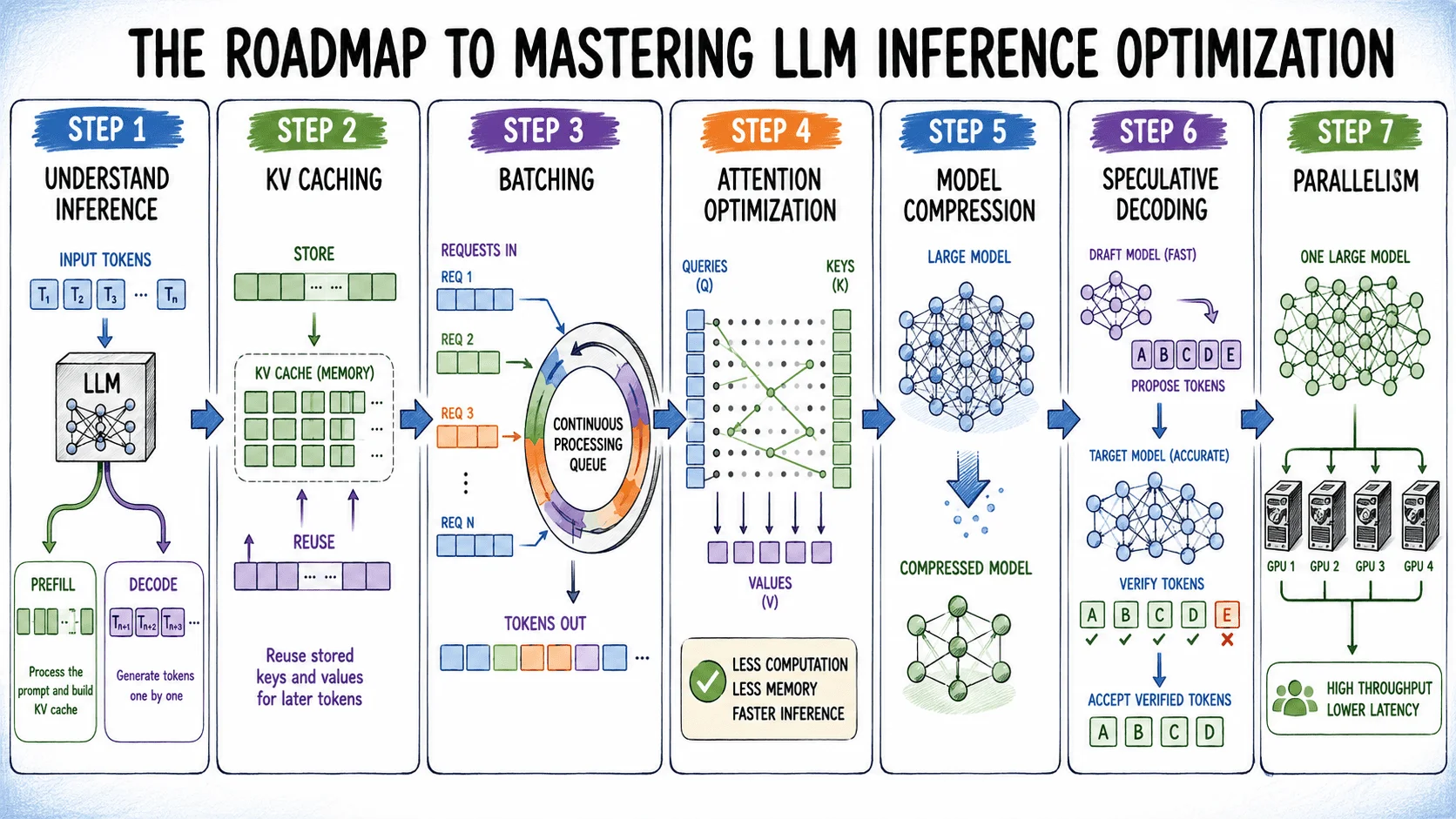
In this article, you will learn how LLM inference optimization works and which techniques to apply to make language models faster, cheaper, and more reliable...
Every identity-compromise runbook I have written, read or inherited has the same step near the top: revoke the tokens. Reset the password, kill the sessions, invalidate the refresh tokens, then go hun...
AI adoption has outpaced AI governance across enterprise environments, creating a fundamental security problem. Organisations cannot protect what they cannot see, and visibility has become the prerequ...
The Rust Security Response Team was notified that Miri stores all environment variables to target/, allowing secrets to persist in caches. While not necessary a vulnerability in and of itself, when pa...








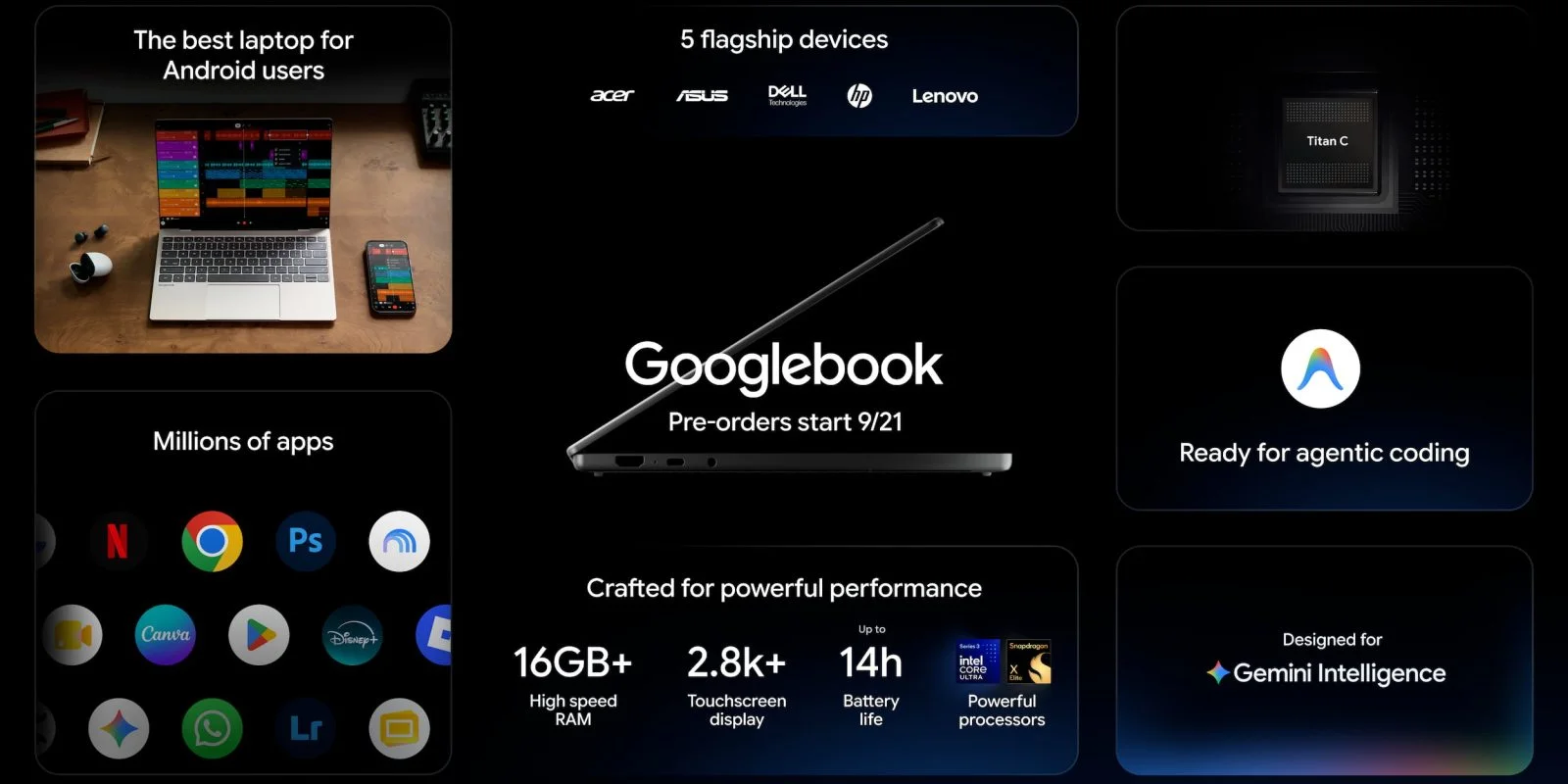
![Googlebook hands-on: What makes a laptop, a laptop? [Video]](https://news.magicgamehub.com/articles/7795/HBSNOZQxl3YXpzPhrNjrrih7rPERdrdT.webp)