Enhancing Risk Management through Effective Secret Detection
In an environment where data breaches are rampant and secrets are frequently mishandled, the ability to manage sensitive information effectively is no longer optional; it’s imperative. Recently, HashiCorp's Vault Radar has emerged to refine how organizations not only detect secret exposures but mitigate associated risks through an improved remediation process. This evolution signifies a crucial shift in how companies can operationalize security findings and drive accountability in their workflows.
The Challenge of Secret Management
As organizations expand their digital footprints — often across various code repositories and cloud platforms — the task of managing secrets becomes complex. Detection alone, while necessary, falls short of addressing the real risks that arise from exposed secrets. The essence of the challenge lies in translating discovery into action: validating the relevance of a secret, understanding whether it requires attention, and determining the necessary remediation steps. This process seldom resides within a single team; it cuts across security, development, and operational groups, making cohesive action difficult. In this context, Vault Radar aims to facilitate a seamless connection between the identification of secrets and the subsequent management efforts.
Correlating Findings for Actionable Insights
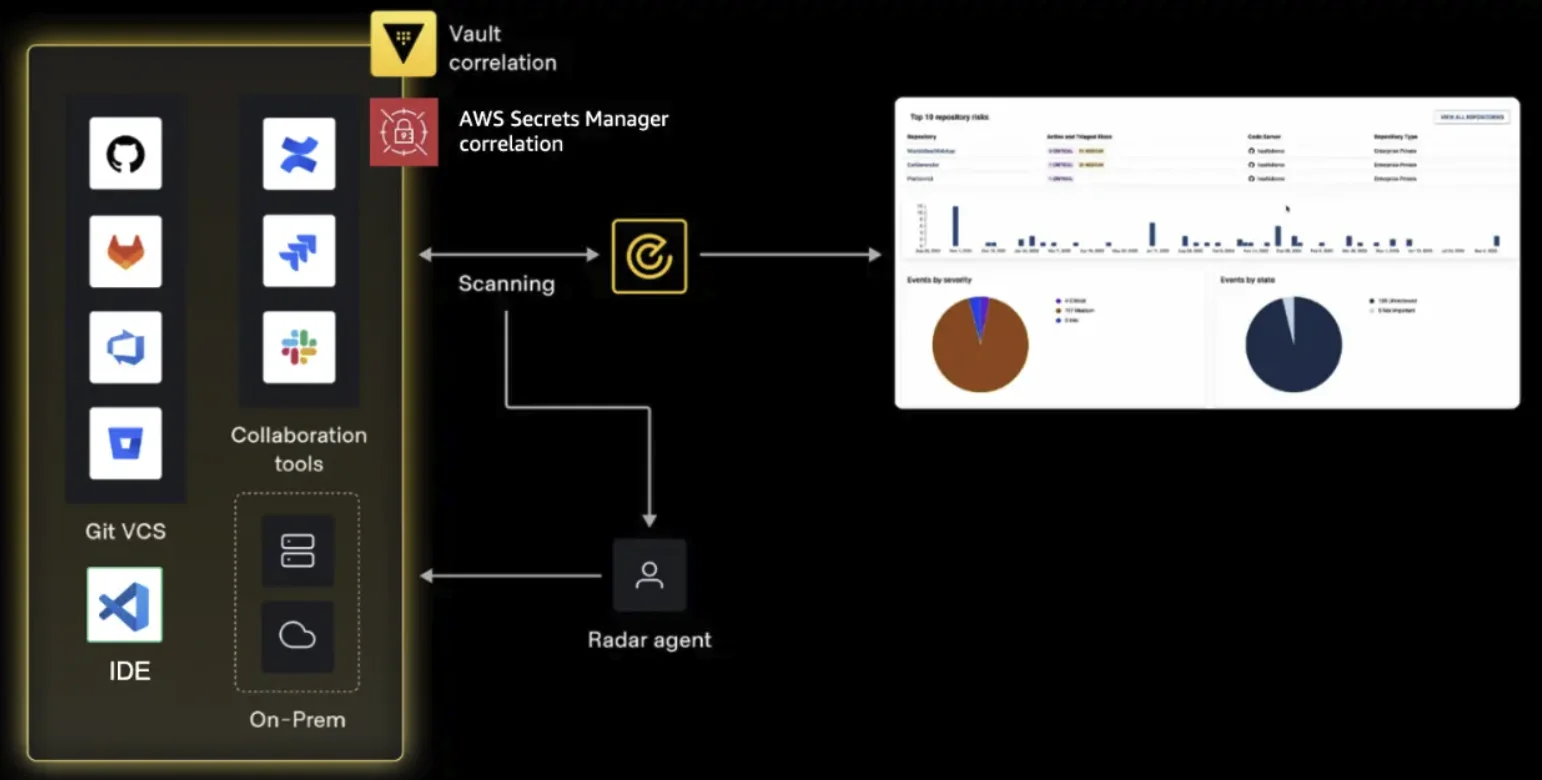
The real breakthrough with Vault Radar comes from its ability to correlate detected secrets with centralized management systems, such as HashiCorp Vault and AWS Secrets Manager. This capability elevates the mere act of detection into a strategic command center that delivers context. Security teams can discern whether a finding points to unmanaged exposure or a secret currently under control, allowing for tailored remediation efforts. For instance, a secret already in Vault may need rotating due to exposure, but the response is grounded in detailed knowledge of ownership and lifecycle management. Meanwhile, undiscriminated findings could indicate a broader failure in governance practices.
Streamlining Workflows with Webhooks
Vault Radar doesn’t stop at detection; it seamlessly integrates with existing organizational workflows. Its support for webhooks allows exposure findings to funnel directly into ticketing systems, collaboration tools, or internal automation processes. This real-time connection is vital for ensuring that the right stakeholders are alerted without delay. Consequently, organizations can reduce the operational lag between discovery and remediation. When secret exposures tie directly into the tools teams already use, the overall remediation becomes less cumbersome and can scale effectively.
Visibility and Accountability Through Reporting
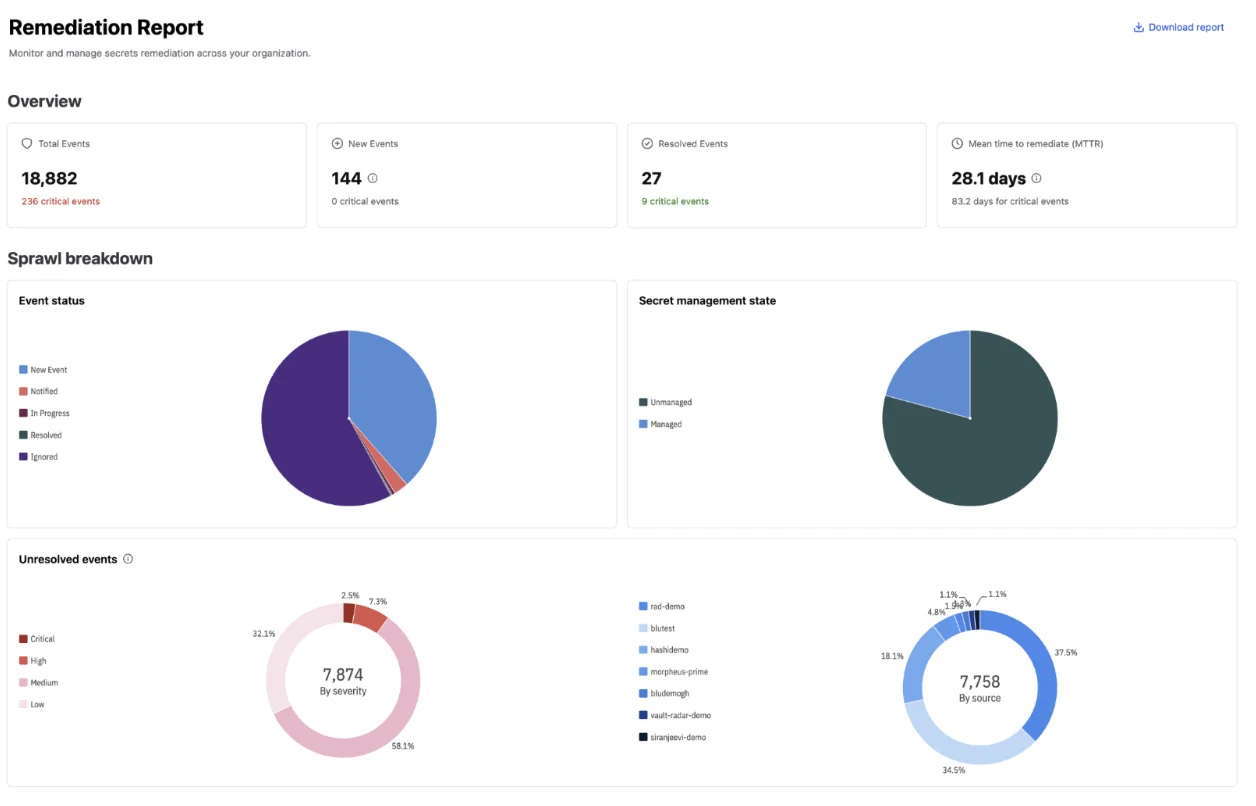
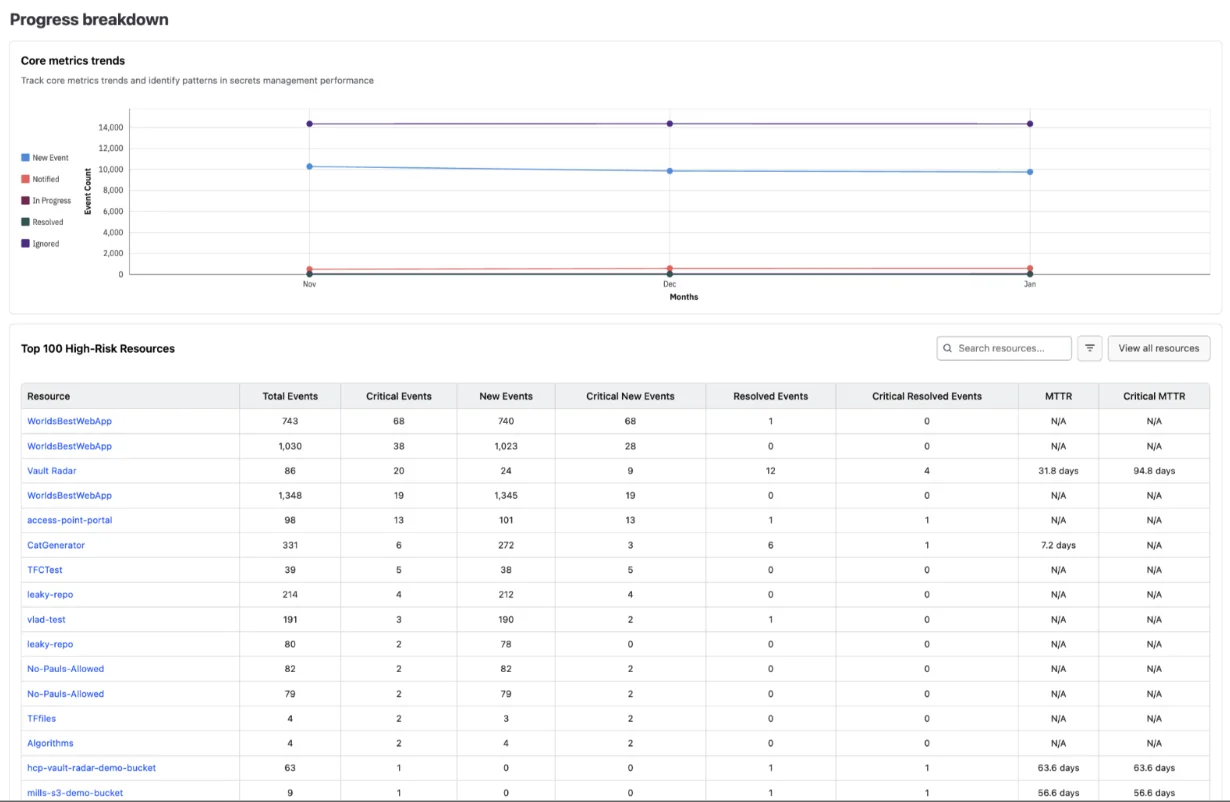
With enhanced detection comes the need for improved visibility into remediation efforts. Vault Radar provides robust reporting capabilities that let teams track not just the number of secrets discovered, but also the progress of remediation efforts. Metrics such as how many secrets are resolved versus still open and the time taken for remediation become actionable insights. This data enables security leaders to identify bottlenecks, assess the effectiveness of their processes, and iterate on their defensive strategies over time. The transition from merely counting exposed secrets to understanding the efficacy of responses sheds light on the evolving security posture of the organization.
Traceability: A Stronger Foundation for Security Initiatives
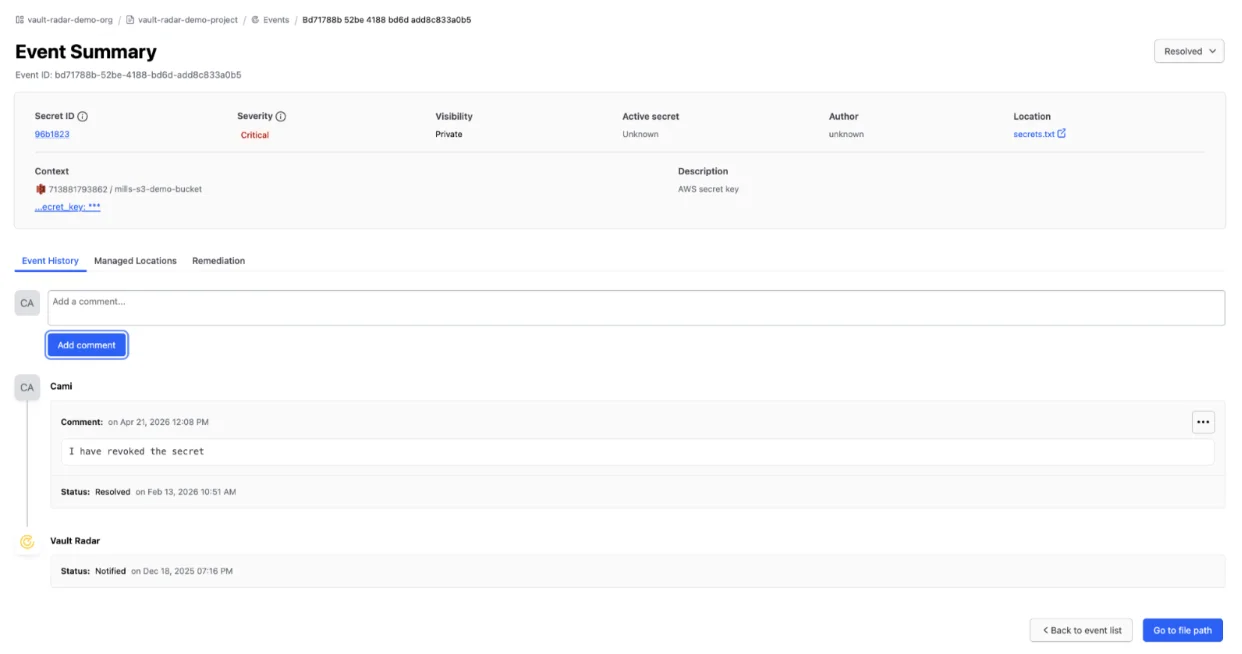
A major advantage of Vault Radar lies in its traceability, offering a comprehensive view of secret lifecycle events from discovery through resolution. This historical record adds depth to incident responses and compliance audits, enhancing overall forensic capabilities. Teams gain a shared understanding of the status of each secret, fostering enhanced coordination among security, development, and platform teams. With every step documented — from when a secret was identified to when it was acknowledged and resolved — organizations can improve their processes and address recurring weaknesses.
Driving Measurable Security Outcomes
Ultimately, the performance of any secret detection initiative hinges on the organization’s ability to transform findings into reduced risk. Vault Radar’s capabilities align detection with remediation in such a way that teams build maturity in their practices over time. This means moving from merely identifying exposed secrets to knowing precisely how those exposures can be mitigated effectively and efficiently.
This newfound maturity in secret management doesn’t just bolster security postures; it cultivates a culture of accountability. When organizations are equipped to track and manage secrets in a structured manner, an environment is created where risk can be proactively managed rather than reactively addressed. Ultimately, Vault Radar doesn’t just pinpoint problems; it lays the groundwork for creating stronger long-term security approaches and better aligns teams against their collective goals.
As organizations strive for stronger security frameworks in increasingly complex digital environments, tools like Vault Radar exemplify a necessary evolution in secret management techniques. Looking ahead, the ability to link detection and remediation not only promises better security outcomes but also creates a foundation for more adaptive security measures that can evolve alongside emerging threats.