Enhancing Identity Security for AI and Non-Human Workloads with SPIFFE
The rise of agentic artificial intelligence demands an overhaul in how we think about identity and trust within technology ecosystems. As AI systems develop the capacity to act independently, the need to ensure their trustworthiness and secure, verifiable identities is no longer a supplementary concern; it’s a necessity. This shift highlights the limitations of traditional identity management frameworks designed with human users in mind. Enter SPIFFE, a significant yet often underappreciated standard poised to reshape how we authenticate non-human entities in our increasingly automated future.
Understanding SPIFFE: A Standard for the Autonomous Era
SPIFFE, or Secure Production Identity Framework For Everyone, serves as an open standard offering a robust identity framework tailored for workloads—particularly in cloud-native projects. Unlike static credentials, which are ill-suited for the dynamic landscape of AI, SPIFFE operates on a model of cryptographically verifiable identities. Specifically designed for microservices, it eliminates the vulnerabilities tied to long-lived secrets such as passwords and API keys.
Key features of SPIFFE include:
- Workload Identity: Each application service or process is assigned a unique SPIFFE ID, establishing a clear identity.
- Federated Trust: The framework ensures identities can be validated across diverse organizations and environments.
- Dynamic Credentialing: It allows for the automatic issuance and rotation of identities, which significantly mitigates the risk of credential leaks.
Why SPIFFE is Essential for AI Systems
As AI systems take on roles typically handled by humans, they must be capable of proving their identities to one another and establishing trust in diverse multi-agent environments. The implications stretch far beyond mere authentication; they touch on operational integrity and security across interconnected networks. Here’s what that entails:
- Identity Proof: AI entities must substantiate their origins and capabilities to interact credibly with other agents.
- Trust Establishment: In decentralized architectures, verifying trust becomes paramount to prevent misuse and ensure cooperation.
- Secure Operations: With AI systems often scattered across various networks, the ability to operate securely becomes non-negotiable.
Verifiable Identities for Non-Human Agents
In an age where autonomous agents proliferate, reliance on static, human-centric identity frameworks becomes inadequate. SPIFFE IDs are intrinsically tied to workloads as opposed to individuals, making them ideal for AI systems that require rigorous identity validations. By effectively issuing unique identities for these agents, SPIFFE facilitates security while promoting operability in a trusted environment.
Supporting Zero Trust Models
The zero trust architecture—where no entity is automatically trusted—aligns seamlessly with the capabilities offered by SPIFFE. This framework enables mutual TLS (mTLS) connections, fostering encrypted and authenticated interactions among agents. Given the threat landscape that includes impersonation and unauthorized access, this foundational element of security cannot be overstated.
Federation Across Trust Domains
AI systems don’t operate in isolation; they often span multiple clouds and organizations. SPIFFE’s federation capabilities are crucial here, allowing for the secure validation of identities across different trust domains. This becomes particularly significant when AI agents need to collaborate or share data, enabling them to maintain operational integrity and security.
Dynamic Lifecycle for Rapid Adaptation
The fast-paced nature of AI deployments often leads to the quick creation and removal of agents. SPIFFE’s support for ephemeral identities allows for seamless adjustment to this dynamic environment, featuring automation in identity rotations and revocations. Short-lived credentials minimize the attack surface while enhancing overall operational security.
Use Case: Swarm Intelligence in Smart Cities
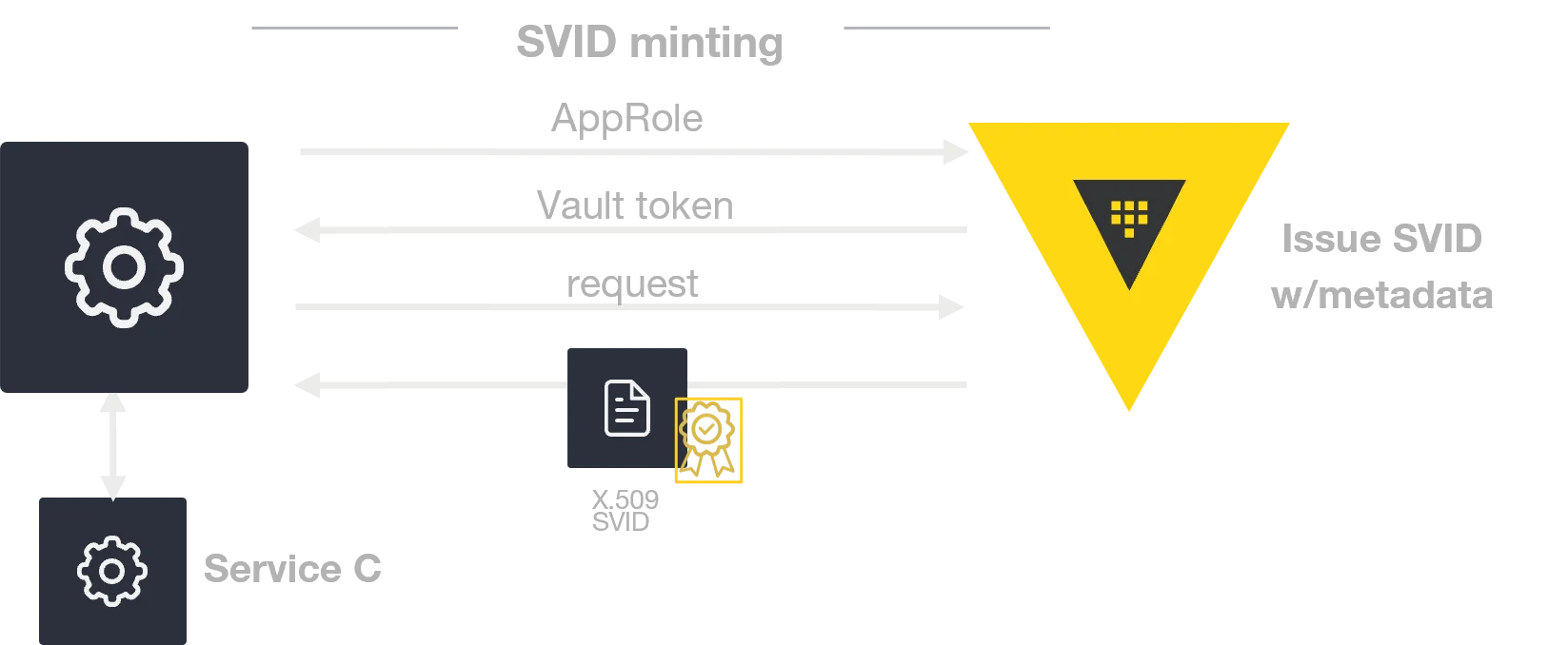
Envision a swarm of AI agents orchestrating a smart city's infrastructure—traffic control, energy systems, emergency response. Each agent must communicate, authenticate, and authorize actions securely. Through SPIFFE, agents acquire SPIFFE IDs and certificates from a central SPIRE server, facilitating trust and enforcing necessary policies without human intervention. This real-world scenario exemplifies how SPIFFE can underpin a complex, interdependent environment where security and identity management are paramount.
The Role of Vault Enterprise in Enhancing SPIFFE
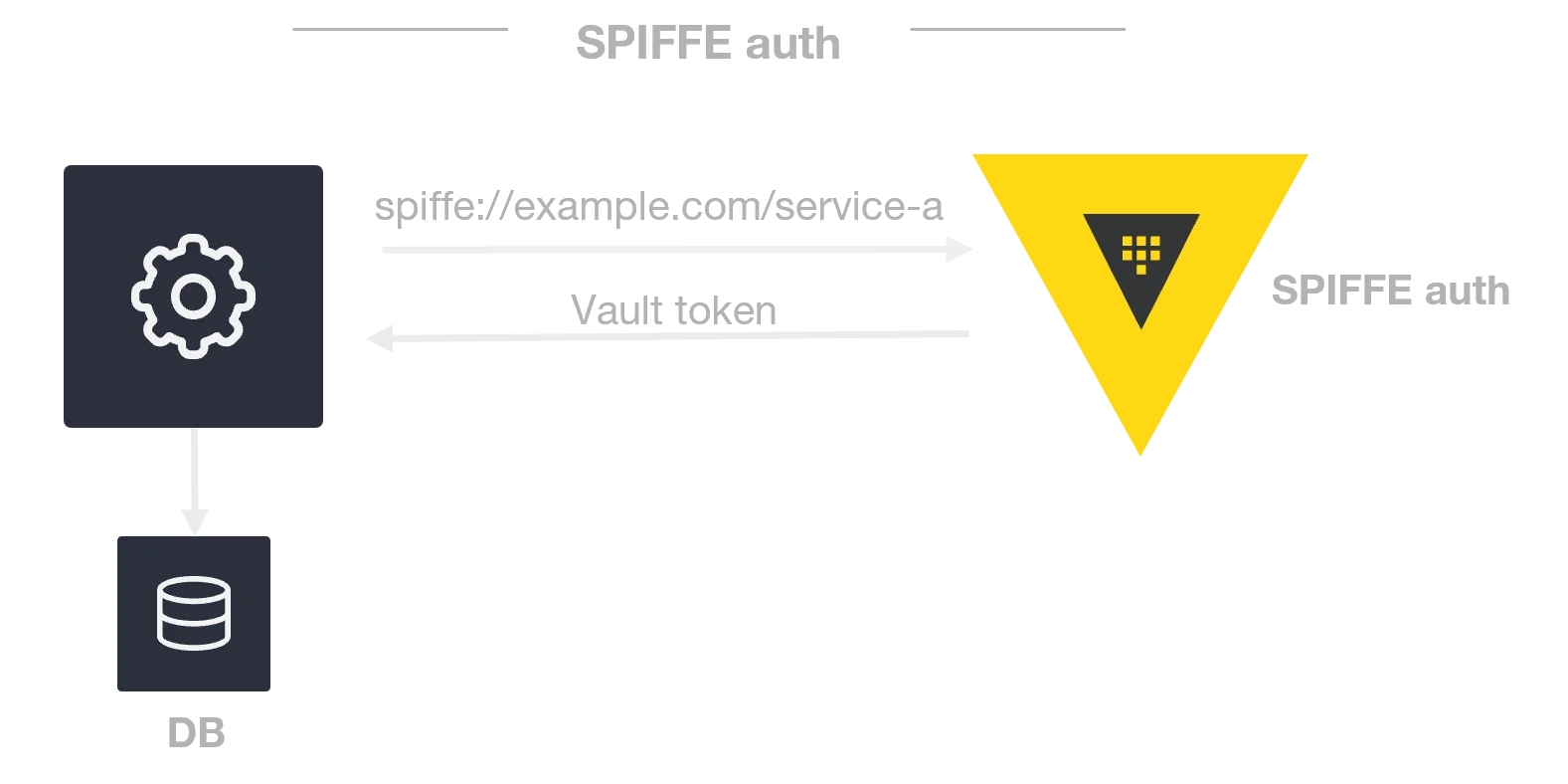
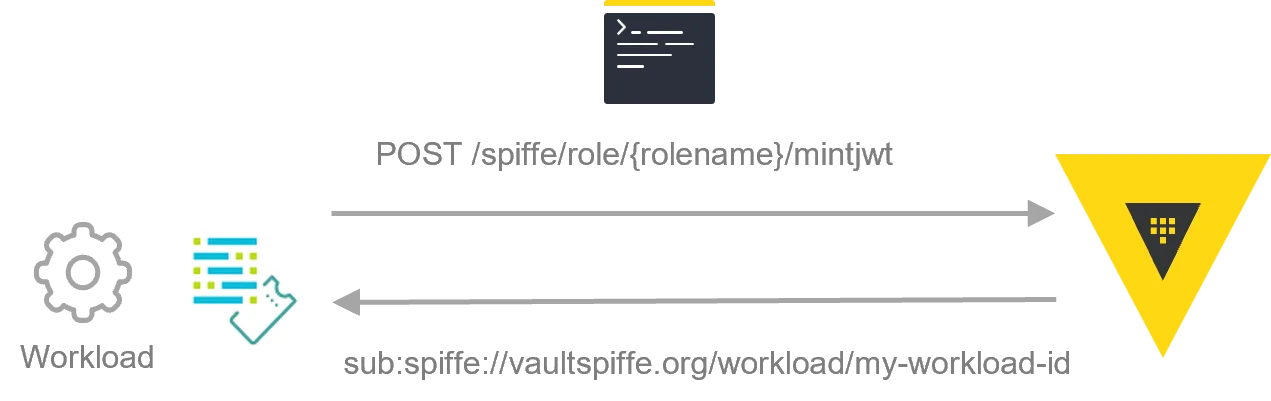
Recent updates to HashiCorp's Vault Enterprise reinforce its commitment to securing identities through SPIFFE. The 1.21 release introduced native support for SPIFFE authentication, thereby streamlining how non-human identities are validated. Moreover, the subsequent 2.0 release implemented a dedicated SPIFFE secrets engine, further enhancing how organizations manage identity tokens—specifically, enabling the use of JWT SVID tokens directly through Vault.
What does this mean for user organizations?
- Automated Identity Management: Vault’s updates facilitate the issuance of SPIFFE IDs and corresponding certificates, significantly reducing manual oversight.
- Traceability in Authentication: Vault generates detailed logs for every authentication and issuance event, offering security and audit teams unprecedented visibility into operations.
Outlook: The Future of Identity Management in AI
The trajectory for AI systems is clear: they will only become more autonomous and integrated into our daily lives, amplifying the urgency for trustworthy identity systems. In this context, SPIFFE combined with HashiCorp Vault emerges as a potent combination for authenticating and managing non-human identities. Ensuring the integrity of agentic AI systems is not just a technical requirement; it is pivotal for building a resilient and secure digital infrastructure. As we advance, attention should focus on refining these identity frameworks, paving the way for innovation that keeps security at the forefront.
For those interested in further exploring HCP Vault and Vault Enterprise capabilities, additional information can be found on the Vault product page.