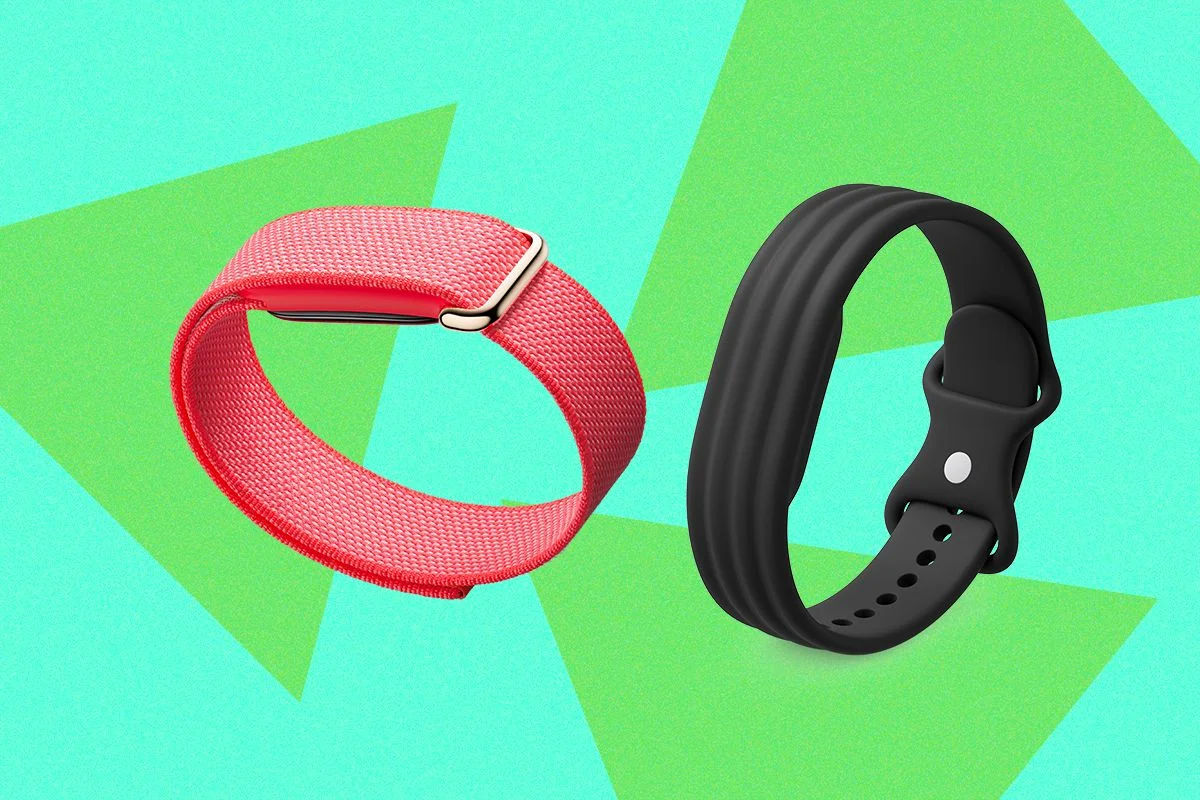
The wait is over. There's finally a new Fitbit.
Five years after acquiring Fitbit, and three years since it released the Charge 6, Google is finally expanding into a new phase of fitness tracking. With its screen-free design, the new Fitbit Air could be the first device to threaten Whoop's grip on this category, thanks in large part to Google's intuitive, user-friendly software.
The First Screenless Fitbit
The Fitbit Air is Google's most minimalist wearable yet. There's no AMOLED display, no haptic side button, and none of the visual feedback loops that have defined Fitbit devices (and most fitness trackers) for years. Instead, it's a slim oval device that fits into a wide array of bands. It looks and functions more like a Whoop band than a traditional tracker with a screen.

Google claims the Air is 20 percent lighter than the discontinued Fitbit Luxe; it's meant to disappear on the wrist rather than compete for attention. Whether that feels liberating or limiting likely depends on how much you rely on real-time metrics during workouts and whether you want a purely functional fitness tracker that fades into the background. There are, unsurprisingly, no Google Wallet integrations or YouTube Music controls here.
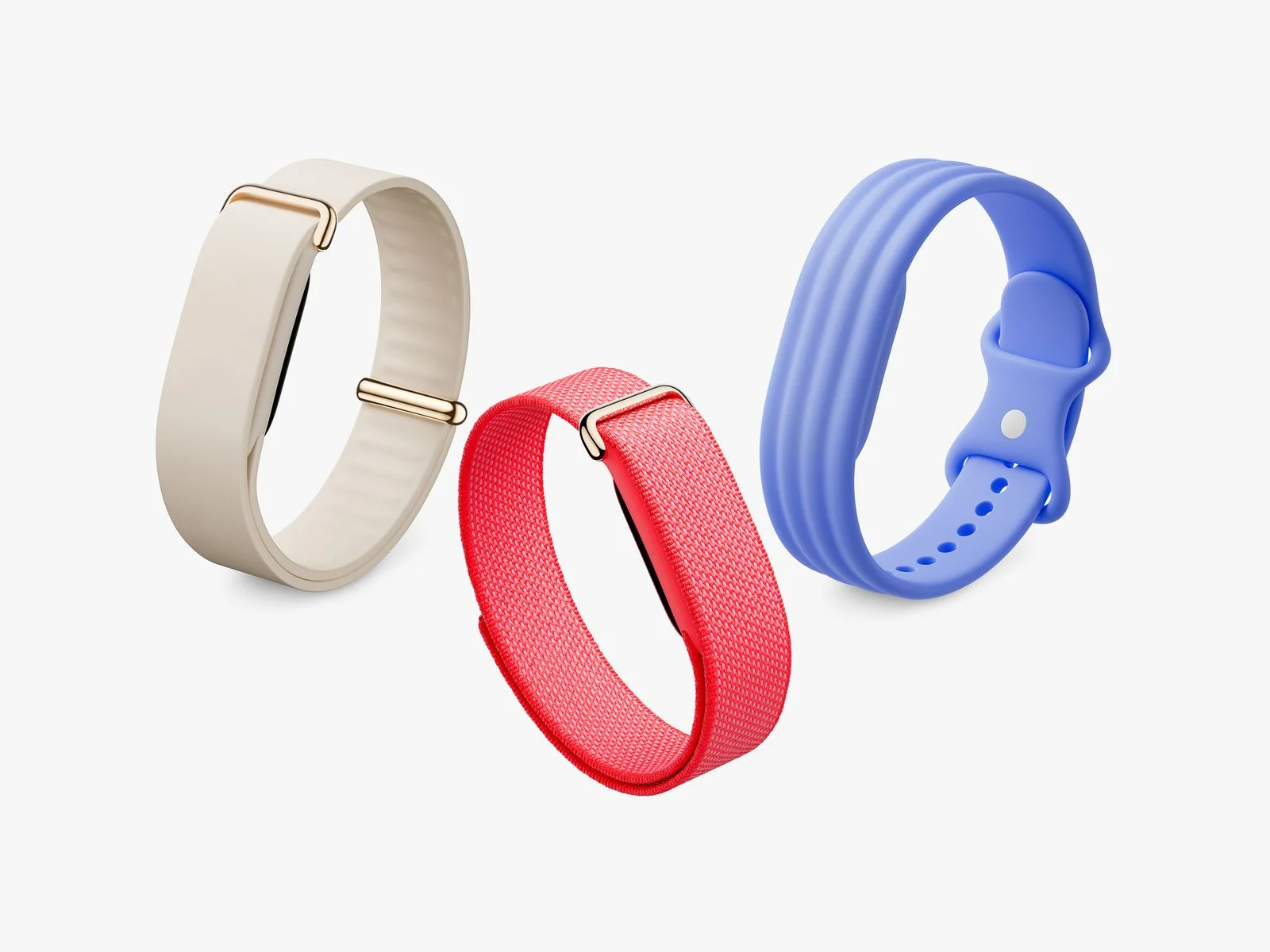
Google is also expanding its accessory lineup with several new band options and colorways. The default Performance Loop, made from recycled materials, is micro-adjustable for a precise fit. It's available in four colors: Obsidian, Fog, Lavender, and Berry. The Active Band is a sweat- and waterproof silicone strap built for workouts, and it comes in the same four colors. The Elevated Modern Band offers a more fashion-forward alternative for everyday wear and comes in three colors: Porcelain, Moonstone, and Obsidian.
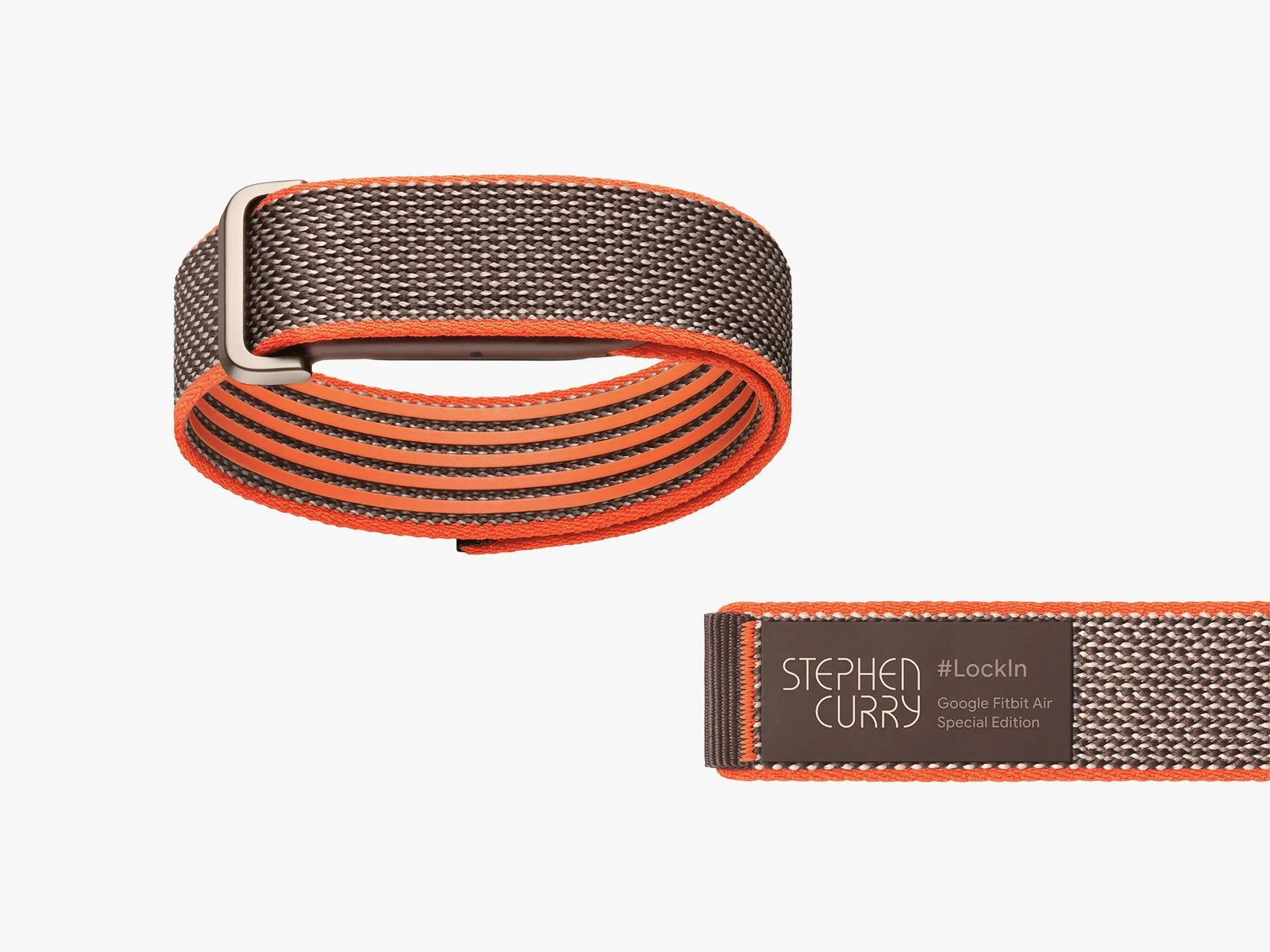
For the launch, Google has also teamed up with NBA champion Stephen Curry on a special-edition band. Curry has been acting as a performance adviser for Health Coach and has been notably seen wearing a test version during Warriors games.
Full Fitbit Tracking
At $100, it costs the same as the Inspire 3, Google Fitbit's most affordable model, putting it in direct competition with its predecessor. But functionally, it's closer to Google's more advanced wearables, packing in sensors like a temperature sensor and gyroscope.
The Air is not meant to stand on its own so much as serve as a data collector within Google's expanding health software ecosystem. (The company also rebranded the Fitbit app to “Google Health.”) Built on Gemini, Health Coach is the brains of the system, promising personalized guidance based on your habits, goals, and biometric data. Rather than simply displaying stats, Google Health Coach translates them into actionable recommendations. It can generate workout plans, suggest recovery windows based on strain and readiness, and analyze sleep disruptions. It's meant to provide ongoing coaching that evolves alongside your routine.
Despite its stripped-back exterior, the Air retains the same breadth of tracking capabilities as the Charge 6. That includes baseline metrics like steps, distance, and calories burned, alongside more advanced features such as weekly Cardio Load and Daily Readiness scoring. It also continues to offer 24/7 heart rate tracking, including irregular heart rhythm notifications that can flag potential signs of atrial fibrillation (AFib), alerts for high or low heart rate readings, and heart rate variability (HRV) insights.
Sleep tracking gets a modest upgrade. The Air still delivers Fitbit's personalized Sleep Score, but Google says the system—now powered by Google's Gemini—is 15 percent more accurate than the previous model at capturing interruptions, naps, and transitions between sleep stages. It also includes Smart Wake alarms, which aim to wake users at the optimal point in their sleep cycle for an easier start to the day.
It’s worth noting here that while Health Coach is at the heart of Google's health software ecosystem, it's also a subscriber-only feature. Anyone can use the Google Health app for free, and if you have a Fitbit device or Pixel Watch, you can continue to see your activity, sleep, and health-tracking data. (Google also intends to offer support to a wider array of devices later in the year.) If you want access to Health Coach or features like adaptive fitness plans, it will cost $10 per month ($100 per year) for Google Health Premium. You get three free months with the purchase of the Air, and it's also included for anyone subscribed to Google One's AI Pro and AI Ultra subscription plans.
## A Forward-Looking Perspective on Google’s Wearables Strategy As Google pushes further into the wearables market, the introduction of the Fitbit Air signals a pivotal moment for tech enthusiasts and health-conscious consumers alike. If you’re integrated into Google’s ecosystem, you’ll likely appreciate how the Air complements devices like the Pixel Watch. The synergy between these products is not just a matter of convenience; it's part of Google's broader ambition to create a unified health platform. Here’s the takeaway: the ability to use multiple devices in tandem, with health data syncing continuously through the Google Health app, reflects a significant step towards interoperability in personal health tracking. This seamless integration, albeit small in execution, is monumental in intention. Health metrics can be filtered by device, allowing for nuanced insights that cater to individual preferences. Google isn't just selling tech; it’s trying to establish a holistic approach to health that makes managing and understanding one’s wellness as frictionless as possible. Looking ahead, the launch of the new Google Health app on May 19 for Android and iOS could further elevate this experience. Meanwhile, the Fitbit Air's preorder availability signals that users will soon be equipped with a device that boasts impressive specs—a battery life of up to seven days, multiple health sensors, and a design that emphasizes sustainability through the use of recycled materials. However, the broader implications of integrating wearables into daily life are still unfolding. What does this mean for the future of health tech? Will consumers adopt these devices as essential tools for wellness, or will they remain just another gadget? The conversation is certainly ongoing, but Google’s commitment to cultivating an interconnected health framework is clear. As these products hit the market, the roadmap for Google’s wearables will likely become clearer. If you’re navigating this space, paying attention to how these integrations evolve will be key to understanding where the future of health technology is headed.